
Close Menu
    Facebook X (Twitter) Instagram
    • Our Story
    • Partner with us
    • Reach Us
    • Career
    Subscribe Newsletter
    HR KathaHR Katha
    • Exclusive
      • Exclusive Features
      • Perspectives
      • Friday Features
      • herSTORY
      • Case-In-Point
      • Point Of View
      • Research
      • HR Pops
      • Dialogue
      • Movement
      • Profile
      • Beyond Work
      • Rising Star
      • By Invitation
    • News
      • Global HR News
      • Compensation & Benefits
      • Diversity
      • Events
      • Gen Y
      • Hiring & Firing
      • HR & Labour Laws
      • Learning & Development
      • Merger & Acquisition
      • Performance Management & Productivity
      • Talent Management
      • Tools & Technology
      • Work-Life Balance
    • Special
      • HR Forecast 2026
      • Cover Story
      • Editorial
      • HR Forecast 2024
      • HR Forecast 2023
      • HR Forecast 2022
      • HR Forecast 2021
      • HR Forecast 2020
      • HR Forecast 2019
      • New Age Learning
      • Coaching and Training
      • Learn-Engage-Transform
    • Magazine
    • Reports
      • Whitepaper
        • HR Forecast 2024 e-mag
        • Future-proofing Manufacturing Through Digital Transformation
        • Employee Healthcare & Wellness Benefits: A Guide for Indian MSMEs
        • Build a Future Ready Organisation For The Road Ahead
        • Employee Experience Strategy
        • HRKatha 2019 Forecast
        • Decoding and Driving Employee Engagement
        • One Platform, Infinite Possibilities
      • Survey Reports
        • Happiness at Work
        • Upskilling for Jobs of the Future
        • The Labour Code 2020
    • Conferences
      • Leadership Summit 2025
      • Rising Star Leadership Awards
      • HRKatha Futurecast
      • Automation.NXT
      • The Great HR Debate
    • HR Jobs
    WhatsApp LinkedIn X (Twitter) Facebook Instagram
    HR KathaHR Katha
    Home»Exclusive Features»Finding the perfect fit: ‘Potential’ vs. ‘Personality’ in the hiring game
    Exclusive Features

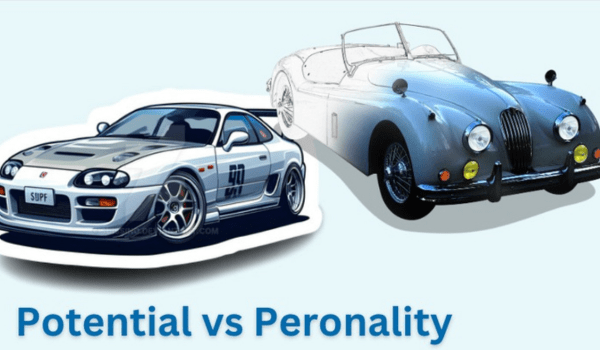
    Finding the perfect fit: ‘Potential’ vs. ‘Personality’ in the hiring game

    mmBy Radhika Sharma | HRKathaFebruary 7, 20243 Mins Read7581 Views
    Share LinkedIn Twitter Facebook WhatsApp
    Share
    LinkedIn Twitter Facebook WhatsApp

    Building high-performing teams requires careful selection. But should candidates be assessed primarily on their potential impact or personality fit? This debate rages on, leaving HR professionals and hiring managers navigating the complexities of building diverse teams across all levels.

    “Potential is crucial,” acknowledges P Dwarakanath, senior HR leader, “but not the sole determinant.”

    zoha

    “A proven track record and personality traits such as executive presence and leadership abilities significantly predict success within an organisation,” he says.

    “A proven track record and personality traits such as executive presence and leadership abilities significantly predict success within an organisation.”

    P Dwarakanath, senior HR leader

    Pradyumna Pandey, head-HR, manufacturing, HeroMotocorp, however, leans towards prioritising potential impact, especially in today’s dynamic business landscape. “Assessing candidates based on potential allows organisations to focus on performance, skills, and competencies,” he argues.

    Pandey views this approach as a catalyst for diversity, inclusion, and innovation. It opens doors to fresh perspectives and fosters adaptability to changing needs, leading to more creative solutions and enriching the organisation’s overall capability.

    zoha

    But potential doesn’t negate the importance of personality fit. This determines cultural alignment, which Dwarakanath sees as “not just a checkbox, but a fundamental consideration.” A candidate’s values and beliefs should resonate with the organisational DNA, influencing how they contribute and thrive within the company.

    This becomes even more crucial for leadership roles. Individuals need not only the skills but also the interpersonal and leadership qualities to drive success. “The ability to inspire, navigate diverse teams, and interact effectively with senior management are aspects of personality fit that contribute to a candidate’s potential impact,” emphasises Dwarakanath.

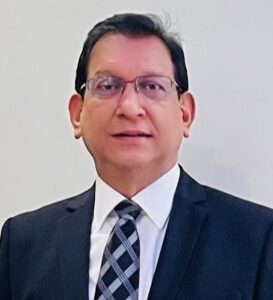
    “Assessing candidates based on potential allows organisations to focus on performance, skills, and competencies.”

    Pradyumna Pandey, head-HR, manufacturing, HeroMotocorp
     

    However, personality fit isn’t a one-size-fits-all concept. Different companies have distinct cultures, some valuing assertiveness, others emphasizing empathy and collaboration. Personality-fit assessments should align with an organization’s specific values and working principles.

    The key lies in balance. While potential impact predicts future contributions, it cannot be separate from cultural alignment and personality fit. Striking this balance fosters a workplace that thrives on innovation and performance while ensuring seamless integration.

    Ramesh Shankar S, senior HR leader, offers a nuanced perspective. He believes potential assessments are more suited for senior levels and promotions, where individuals have demonstrated their capabilities within the organisation.

    He points out the challenge of assessing potential during recruitment for junior roles due to the lack of familiarity with the candidate and the theoretical nature of such evaluations. He suggests a pragmatic approach, leveraging potential assessments for internal promotions where individual growth is key.

    “At junior levels, where the focus is on immediate performance, potential assessments may take a backseat. However, as individuals climb the ladder, potential becomes more critical, especially when evaluating for higher responsibilities.”

    Ramesh Shankar S, senior HR leader

    Shankar further highlights the evolving nature of organisational priorities. “At junior levels, where the focus is on immediate performance, potential assessments may take a backseat. However, as individuals climb the ladder, potential becomes more critical, especially when evaluating for higher responsibilities.”

    Finding the equilibrium that harnesses innovative potential while ensuring cultural alignment is crucial. The potential vs. personality fit dichotomy is not an either-or proposition; it demands a thoughtful and context-specific approach.

    Pandey concludes, “Organisations that successfully navigate this balance are likely to build teams that not only perform exceptionally but also contribute to a diverse, innovative, and inclusive workplace culture.”

    Share. LinkedIn Twitter Facebook WhatsApp
    mm
    Radhika Sharma | HRKatha

    Radhika is a commerce graduate with a curious mind and an adaptable spirit. A quick learner by nature, she thrives on exploring new ideas and embracing challenges. When she’s not chasing the latest news or trends, you’ll likely find her lost in a book or discovering a new favourite at her go-to Asian eatery. She also have a soft spot for Asian dramas—they’re her perfect escape after a busy day.

    Leave A Reply Cancel Reply

    Related Posts

    The unspoken office hierarchy everyone understands but nobody admits

    April 3, 2026

    HRForecast 2026: Wisdom, not knowledge, will define the workforce – Ruhie Pande, Group CHRO & CMO, Serentica, Resonia and Sterlite Electric

    April 2, 2026

    herSTORY: Divya Kiran, global head–HR, Aurigo Software Technologies

    April 2, 2026

    Case-in-Point: Whistleblower redemption vs cultural scars

    April 2, 2026
    Editorial

    The certainty tax: Why uncertainty makes bad decisions inevitable

    The conflict in West Asia has introduced real uncertainty into global markets. Oil supply routes…

    Companies say retention matters. Their budgets say otherwise

    Every company declares that retaining talent is a strategic priority. Annual reports emphasise culture and…

    EDITOR'S PICKS

    The unspoken office hierarchy everyone understands but nobody admits

    April 3, 2026

    HRForecast 2026: Wisdom, not knowledge, will define the workforce – Ruhie Pande, Group CHRO & CMO, Serentica, Resonia and Sterlite Electric

    April 2, 2026

    herSTORY: Divya Kiran, global head–HR, Aurigo Software Technologies

    April 2, 2026

    Case-in-Point: Whistleblower redemption vs cultural scars

    April 2, 2026
    Latest Post

    Ivy Nazareth is now lead-partner hiring, KPMG India

    Movement April 3, 2026

    KPMG India has elevated Ivy Nazareth to lead-partner hiring. This is her second stint with…

    US job market cools as openings fall

    Global HR News April 3, 2026

    In February, job openings in the US dropped to 6.9 million, showing that hiring is…

    The unspoken office hierarchy everyone understands but nobody admits

    Friday Features April 3, 2026

    Every office has an org chart. Clean boxes, neat lines, official titles that explain who…

    HRForecast 2026: Wisdom, not knowledge, will define the workforce – Ruhie Pande, Group CHRO & CMO, Serentica, Resonia and Sterlite Electric

    HR Forecast 2026 April 2, 2026

    The nature of work is not just changing. It is being redefined. As artificial intelligence…

    Asia's No.1 HR Platform

    Facebook X (Twitter) Instagram LinkedIn WhatsApp Bluesky
    • Our Story
    • Partner with us
    • Career
    • Reach Us
    • Exclusive Features
    • Cover Story
    • Editorial
    • Dive into the Future of Work: Download HRForecast 2024 Now!
    © 2026 HRKatha.com
    • Disclaimer
    • Refunds & Cancellation Policy
    • Terms of Service

    Type above and press Enter to search. Press Esc to cancel.