

Close Menu
    Facebook X (Twitter) Instagram
    • Our Story
    • Partner with us
    • Reach Us
    • Career
    Subscribe Newsletter
    HR KathaHR Katha
    • Exclusive
      • Exclusive Features
      • Perspectives
      • Friday Features
      • herSTORY
      • Rising Stars
      • Case-In-Point
      • Point Of View
      • Research
      • HR Pops
      • Dialogue
      • Movement
      • Profile
      • Beyond Work
      • By Invitation
    • News
      • Global HR News
      • Compensation & Benefits
      • Diversity
      • Events
      • Gen Y
      • Hiring & Firing
      • HR & Labour Laws
      • Learning & Development
      • Merger & Acquisition
      • Performance Management & Productivity
      • Talent Management
      • Tools & Technology
      • Work-Life Balance
    • Special
      • HR Forecast 2026
      • Cover Story
      • Editorial
      • HR Forecast 2024
      • HR Forecast 2023
      • HR Forecast 2022
      • HR Forecast 2021
      • HR Forecast 2020
      • HR Forecast 2019
      • New Age Learning
      • Coaching and Training
      • Learn-Engage-Transform
    • Magazine
    • Reports
      • Whitepaper
        • HR Forecast 2024 e-mag
        • Future-proofing Manufacturing Through Digital Transformation
        • Employee Healthcare & Wellness Benefits: A Guide for Indian MSMEs
        • Build a Future Ready Organisation For The Road Ahead
        • Employee Experience Strategy
        • HRKatha 2019 Forecast
        • Decoding and Driving Employee Engagement
        • One Platform, Infinite Possibilities
      • Survey Reports
        • Happiness at Work
        • Upskilling for Jobs of the Future
        • The Labour Code 2020
    • Conferences
      • Leadership Summit 2025
      • Rising Star Leadership Awards
      • HRKatha Futurecast
      • Automation.NXT
      • The Great HR Debate
    WhatsApp LinkedIn X (Twitter) Facebook Instagram
    HR KathaHR Katha
    Home»Exclusive Features»A peek into Boehringer Ingelheim’s ‘Future of Work’ playbook
    Exclusive Features

    A peek into Boehringer Ingelheim’s ‘Future of Work’ playbook

    mmBy Kartikay Kashyap | HRKathaApril 22, 20224 Mins Read20106 Views
    Share LinkedIn Twitter Facebook WhatsApp
    Share
    LinkedIn Twitter Facebook WhatsApp

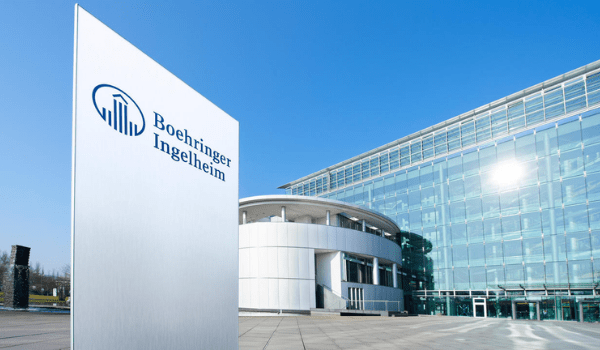
    Boehringer Ingelheim (BI), the global pharmaceutical company — with over 1000 employees working in India, and more than 50,000 working globally — has created a ‘Future of Work’ playbook.

    This playbook contains a set of guidelines for all employees on the place they choose to work from (either home or office), the best way to conduct meetings, as well as effective means of collaborating and adding extra value.

    The major shifts the world has witnessed due to the COVID-19 pandemic, has made HR leaders think of new ways of working and collaborating to get the best value from employees.

    Talking to HRKatha, Sanjay Srivastava, director-HR, Boehringer Ingelheim India, shares that the work-from-home model was very new for their company. After a while, BI figured out that the most suitable model of work for the company would be hybrid. This will allow employees to sometimes work from office, and sometimes from home.

    Like many other organisations, the hybrid model is relatively new for BI, which is why its HR team decided to come up with the ‘Future of Work’ playbook, to guide all employees on how they can adapt to this change and create value in the organisation.

    “The Future of Work playbook is a set of guidelines for employees on how they can conduct meetings, collaborate effectively and so on, in the post-pandemic era, within a hybrid setup,” says Srivastava.

    Srivastava shares that the Future of Work playbook is based on five components —working modalities, collaboration, meeting culture, nurturing the company’s culture and implementing and communicating change in a new work environment.

    “The Future of Work playbook is a set of guidelines for employees on how they can conduct meetings, collaborate effectively and so on, in the post-pandemic era, within a hybrid setup”

    Sanjay Srivastava, director-HR, Boehringer Ingelheim India

    Working modalities

    Since the very nature and meaning of the physical office or workplace has changed, the Company realises that the office is no more a default option. The new playbook defines the workplace as a ‘conscious choice’. It aims to maintain a balanced working environment by finding a middle ground between work-from-home and work-from-office.

    It involves conversations, where managers discuss whether face-to-face meetings make more sense and whether regular performance monitoring is required for a balanced working environment.

    Collaboration

    Looking forward, BI aims to create a workplace where there is full scope of flexibility in terms of collaborations and interactions within the Company. Prior to each project, the team would decide on the channel of communication, for instance, MS Teams; working hours; meeting formats and capturing of employee expectations.

    The team’s performance will be measured not on how much time people spend in the office or in front of the computer, but on the outcome. Also, there will be focus on clarity regarding the tools the team would be using to collaborate and ensure that every member knows how to use them. Additionally, the leaders will lead by example, making use of new collaborative tools during internal communication, so as to encourage others.

    Meeting Culture

    As per the guidelines, BI suggests that people should focus on minimising business travel so that meetings can be reduced and faster decision-making ensured. Also, all teams should decide beforehand the meeting format of the team, based on the participants, objectives and need for cross-functional alignment.

    When considering a hybrid form of meeting, the team should look at the kind of technology required by remote workers to give them a better employee experience.

    “Small practices such as limiting the meeting time to either 25 min. or 55 min., allows employees to take a break between long meeting hours, while moving from one meeting to another, is part of the guidelines,” says Srivastava.

    Nurturing BI’s culture

    The future of work guidelines direct the local HR teams to make sure to always consider accountability, agility and intrapreneurship (AAI), which are the key drivers and behaviours that define BI’s culture.

    Teams will need to ensure that all employees, whether working remotely or in office, are motivated and aligned with the culture of the organisation. Moreover, time should be set aside to discuss culture with new hires.

    The Future of Work playbook is introduced in line with the disruptive momentum created by the pandemic, and to enhance employer attractiveness at BI.

    The playbook acts as a guidebook for local HR teams to implement BI’s new journey and empowers regional teams for agile and flexible implementation.

    “These guidelines have been designed globally for every region and country. However, each country can modify these guidelines as per their needs and requirements. Also, the line managers are entrusted with the responsibility of cascading the implementation of these guidelines, since they are the key to spreading or adopting any new idea in the organisation,” assert Srivastava.

    Boehringer Ingelheim Future of work playbook
    Share. LinkedIn Twitter Facebook WhatsApp
    mm
    Kartikay Kashyap | HRKatha

    A mass communication graduate Kartikay is a quick learner. A fresh bake, yet a prolific writer, he is always keen to learn and discover new things. He is an easy going gallivanted and just likes to chill out when he is not chasing news. He loves watching movies as well.

    Leave A Reply Cancel Reply

    Related Posts

    Rising Star: Deepanjan Sinha

    July 24, 2026

    Career myths employees need to stop believing

    July 24, 2026

    Case-in-Point: The salary transparency trap

    July 23, 2026

    herSTORY: Priyanka Anand, VP & Head-HR, Ericsson Southeast Asia, Oceania and India

    July 23, 2026
    zoha
    Editorial

    India’s IT services industry built the talent. Its biggest clients are now hiring it directly through GCCs

    Something significant is happening to India’s technology workforce in 2026. Most people are describing the…

    The interview was never measuring what we thought it was

    I was speaking recently to the HR Head of a mid-sized IT company about hiring.…

    EDITOR'S PICKS

    Career myths employees need to stop believing

    July 24, 2026

    Case-in-Point: The salary transparency trap

    July 23, 2026

    herSTORY: Priyanka Anand, VP & Head-HR, Ericsson Southeast Asia, Oceania and India

    July 23, 2026

    AI is not replacing workers. It is replacing the youngest ones first

    July 22, 2026
    Latest Post

    HCLTech’s Odisha AI data centre to create 6,000 high-skilled jobs

    News July 24, 2026

    HCLTech is set to build its first AI-optimised data centre in India in Bhubaneswar, Odisha,…

    UAE mandates worker insurance for new private sector hires

    Global HR News July 24, 2026

    Private-sector employers in the UAE will now be required to purchase worker insurance for every…

    PepsiCo to cut 184 warehouse jobs at Tulsa facility

    News July 24, 2026

    PepsiCo will eliminate 184 warehouse positions at its Tulsa, Oklahoma, facility, with employee separations scheduled…

    Delhi Police suspends routine leave amid heightened security deployment

    News July 24, 2026

    The Delhi Police has temporarily suspended routine leave for its personnel to ensure adequate manpower…

    Asia's No.1 HR Platform

    Facebook X (Twitter) Instagram LinkedIn WhatsApp Bluesky
    • Our Story
    • Partner with us
    • Career
    • Reach Us
    • Exclusive Features
    • Cover Story
    • Editorial
    • Dive into the Future of Work: Download HRForecast 2024 Now!
    © 2026 HRKatha.com
    • Disclaimer
    • Refunds & Cancellation Policy
    • Terms of Service

    Type above and press Enter to search. Press Esc to cancel.