



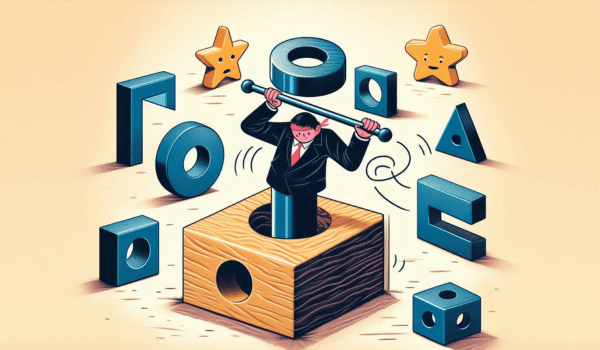
The narrative of the talented underachiever is a familiar one. We’ve all witnessed, or perhaps even embodied, the frustration of possessing valuable skills yet failing to deliver on expectations. Often, the blame falls squarely on the individual. However, a deeper look reveals a more nuanced reality – the crucial role organisations play in setting employees up for success, or failure.
At the heart of the underperformance dilemma lies a fundamental mismatch: the misalignment between an employee’s strengths and the demands of the job. Consider Sakshi, a software engineer lauded for her exceptional coding skills. Promoted to a team lead position, she now manages a group of developers. But Sakshi lacks the people-management skills needed to effectively delegate tasks, provide constructive feedback, or foster team communication. While she excelled in her individual contributor role, the leadership position leaves her overwhelmed and unable to meet expectations.
“Having the right talent isn’t just about having the right skills on paper. It’s also about having the right attitude, mindset, and personality that match the job and the company’s culture.”
Prabir Jha, founder, Prabir Jha People Advisory
The crux of the issue lies in the organisation’s failure to recognise the changing nature of Sakshi’s job and equip her with the necessary leadership skills. No attempt was made to assess her suitability for the role or provide her with the support she needed to transition effectively. Praveer Priyadarshi, a senior HR leader, emphasises the importance of proactive talent management. This begins with clearly defined job roles, outlining the specific skills, traits, and expertise required for each position.
“Essentially, it’s about making sure that each person’s unique skills and attributes are matched with the specific demands of their role,” asserts Priyadarshi. “This responsibility falls squarely on the shoulders of the organisation.”
But talent management goes beyond just paper qualifications. Prabir Jha, founder of Prabir Jha People Advisory, highlights the importance of cultural fit. “Having the right talent isn’t just about having the right skills on paper,” he says. “It’s also about having the right attitude, mindset, and personality that match the job and the company’s culture.”
Effective talent management requires a thorough skill-mapping exercise. By assessing the skills and competencies of their workforce, organisations can strategically align individuals with roles that leverage their strengths. Unfortunately, many companies fall short in this critical area.
“They end up with employees who have the right skills but don’t really fit well with the company’s goals,” says Jha. This mismatch can stem from several factors: an overemphasis on qualifications during hiring, overlooking cultural fit, a mistaken belief that intelligence alone guarantees success, or a lack of clear communication about job expectations.
The consequences of such misalignment are far-reaching. Without proper skill-role synergy, employees are set up for failure. This not only impacts individual morale and engagement but also hinders organisational performance. Anil Mohanty, an HR leader, underscores this point: “Organisations are responsible for ensuring that their employees are placed in roles where their skills are best utilised.”
“Essentially, it’s about making sure that each person’s unique skills and attributes are matched with the specific demands of their role.”
Praveer Priyadarshi, HR leader
Mohanty acknowledges the challenges, particularly in the early stages of growth when resource constraints may require employees to wear multiple hats. However, as the organisation scales, reassessing roles and aligning them with skillsets becomes essential.
The negative impact of misplacement extends beyond individual underperformance. It leads to frustration, disengagement, and a demotivated workforce, ultimately creating a negative work environment that further exacerbates performance issues.
Jha emphasises the critical role of support: “It’s crucial to support individuals in finding roles that suit them well. Without proper support, they may struggle to reach their potential and contribute effectively.”
The solution lies not in assigning blame but in implementing effective talent-mapping strategies. As Mohanty points out, this involves accurately assessing employee skills and competencies, then aligning them with suitable roles. By investing in skill development and ensuring proper role alignment, organisations can unlock employee potential and foster a culture of success.
“Organisations are responsible for ensuring that their employees are placed in roles where their skills are best utilised.”
Anil Mohanty, HR leader
Moving forward, organisations must prioritise a clear understanding of their workforce needs. This clarity allows for the implementation of targeted hiring practices that identify candidates who are well-suited for the specific roles they need to fill. Additionally, establishing regular feedback mechanisms fosters employee growth and identifies opportunities for advancement within the company. Finally, cultivating an environment that encourages exploration of diverse roles and provides support throughout this process can significantly contribute to employee development and maximise their long-term value to the organisation.
By taking these steps, organisations can move beyond the “square peg in a round hole” problem and create a talent ecosystem where individuals are empowered to leverage their strengths and contribute meaningfully to the company’s success.
