

Close Menu
    Facebook X (Twitter) Instagram
    • Our Story
    • Partner with us
    • Reach Us
    • Career
    Subscribe Newsletter
    HR KathaHR Katha
    • Exclusive
      • Exclusive Features
      • Perspectives
      • Friday Features
      • herSTORY
      • Rising Stars
      • Case-In-Point
      • Point Of View
      • Research
      • HR Pops
      • Dialogue
      • Movement
      • Profile
      • Beyond Work
      • By Invitation
    • News
      • Global HR News
      • Compensation & Benefits
      • Diversity
      • Events
      • Gen Y
      • Hiring & Firing
      • HR & Labour Laws
      • Learning & Development
      • Merger & Acquisition
      • Performance Management & Productivity
      • Talent Management
      • Tools & Technology
      • Work-Life Balance
    • Special
      • HR Forecast 2026
      • Cover Story
      • Editorial
      • HR Forecast 2024
      • HR Forecast 2023
      • HR Forecast 2022
      • HR Forecast 2021
      • HR Forecast 2020
      • HR Forecast 2019
      • New Age Learning
      • Coaching and Training
      • Learn-Engage-Transform
    • Magazine
    • Reports
      • Whitepaper
        • HR Forecast 2024 e-mag
        • Future-proofing Manufacturing Through Digital Transformation
        • Employee Healthcare & Wellness Benefits: A Guide for Indian MSMEs
        • Build a Future Ready Organisation For The Road Ahead
        • Employee Experience Strategy
        • HRKatha 2019 Forecast
        • Decoding and Driving Employee Engagement
        • One Platform, Infinite Possibilities
      • Survey Reports
        • Happiness at Work
        • Upskilling for Jobs of the Future
        • The Labour Code 2020
    • Conferences
      • Leadership Summit 2025
      • Rising Star Leadership Awards
      • HRKatha Futurecast
      • Automation.NXT
      • The Great HR Debate
    WhatsApp LinkedIn X (Twitter) Facebook Instagram
    HR KathaHR Katha
    Home»Exclusive Features»How HR leaders can prioritise their well-being
    Exclusive Features

    How HR leaders can prioritise their well-being

    mmBy Radhika Sharma | HRKathaJanuary 22, 2024Updated:January 22, 20244 Mins Read8790 Views
    Share LinkedIn Twitter Facebook WhatsApp
    Share
    LinkedIn Twitter Facebook WhatsApp

    In the high-pressure world of business, HR leadership often translates to an endless juggling act. From driving growth to navigating compliance, and fostering collaboration, the weight of responsibility can feel suffocating. Traditionally, HR leaders have shouldered this burden, striving for omnipresence and suppressing vulnerabilities. But in an era where employee well-being reigns supreme, a crucial question emerges: can HR leaders, the champions of well-being for others, prioritise their own?

    Traditionally, the mantle of leadership has been draped in an aura of stoicism, demanding unwavering presence and unwavering responsibility. Yet, the tide is turning. Employee well-being has rightfully taken centre stage, and the spotlight is now shifting towards the very individuals who champion it – HR leaders themselves.

    “It’s a shift in mindset that’s required. Leaders need to acknowledge their humanity, their vulnerabilities, and the very real challenges they face with work-life balance.”

    Ravi Kumar, CPO, Page Industries 
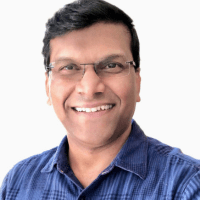
    “It’s a shift in mindset that’s required,” says Ravi Kumar, CPO at Page Industries. “Leaders need to acknowledge their humanity, their vulnerabilities, and the very real challenges they face with work-life balance.” This self-awareness, Kumar argues, is the cornerstone of prioritising well-being.

    But can HR leaders truly delegate their responsibilities without compromising effectiveness? Pallavi Poddar, CHRO at Fenesta Windows, offers a nuanced perspective. “Delegation isn’t just about personal well-being,” she emphasises, “it’s about unlocking the potential of your team and adding value to the organisation.” Building a strong, capable team, Poddar believes, is the key to unlocking shared responsibility and driving collective success.

    Satyajit Mohanty, VP-HR at Dabur India, echoes this sentiment. “Delegation allows HR leaders to focus on critical aspects, both professional and personal, particularly those tied to strategic vision and long-term goals.” However, Mohanty cautions that effective delegation requires careful consideration of the task at hand, the capabilities of the team, and the delicate balance between trust and oversight.

    “Delegation isn’t just about personal well-being, it’s about unlocking the potential of your team and adding value to the organisation.”

    Pallavi Poddar, CHRO, Fenesta Windows

    “The biggest hurdle is often micromanagement,” observes Kumar. “Letting go and trusting others to execute tasks independently can be a daunting leap.” Building trust and overcoming the fear of relinquishing control are crucial steps in this process.

    Further complicating the equation is the unique nature of HR work. “Transactional tasks such as recruitment can be easily delegated,” says Mohanty, “but strategic responsibilities like culture building require a more nuanced approach.” Identifying the tasks that can be entrusted while safeguarding the impact of HR initiatives is a delicate balancing act.

    “Delegation allows HR leaders to focus on critical aspects, both professional and personal, particularly those tied to strategic vision and long-term goals.”

    Satyajit Mohanty, VP-HR, Dabur India

    So, how do HR leaders navigate this intricate dance of delegation and well-being? Kumar emphasises the importance of prioritisation and planning. “Delegation isn’t about detachment or micromanagement,” he stresses, “it’s about a well-thought-out strategy.” Structuring delegation, particularly for sensitive tasks, is crucial for maintaining balance and focus.

    Creating a culture of trust within the team is another key element. “Overcoming the fear of letting go requires a paradigm shift,” says Kumar. “Effective delegation isn’t a sign of weakness, but a distribution of responsibility with trust.”

    Open communication is also vital. “Speaking up and discussing concerns with relevant stakeholders fosters consensus and ensures alignment with organisational goals,” advises Poddar. Aligning the HR department’s structure with the organisation’s objectives is another crucial step towards success.

    In the end, prioritising well-being is not a luxury, but a necessity for HR leaders. By embracing a thoughtful approach to delegation, building trust within their teams, and aligning their efforts with organisational goals, HR leaders can not only ensure their own well-being but also create a more efficient, productive, and ultimately, happier workplace for everyone.

    Dabur India DCM Shriram employee wellbeing HR Leaders Page Industries Pallavi Poddar Ravi Kumar Satyajit Mohanty
    Share. LinkedIn Twitter Facebook WhatsApp
    mm
    Radhika Sharma | HRKatha

    Radhika is a commerce graduate with a curious mind and an adaptable spirit. A quick learner by nature, she thrives on exploring new ideas and embracing challenges. When she’s not chasing the latest news or trends, you’ll likely find her lost in a book or discovering a new favourite at her go-to Asian eatery. She also have a soft spot for Asian dramas—they’re her perfect escape after a busy day.

    Leave A Reply Cancel Reply

    Related Posts

    The five-minute rituals that make the workday better

    July 31, 2026

    herSTORY: Beena Dixit, Country Head, People & Organisation, Siemens Energy India

    July 30, 2026

    Case-in-Point: The internal informant

    July 30, 2026

    HR Perspectives by Paramjit Singh Nayyar: “The board cares about business metrics, not HR metrics”

    July 29, 2026
    zoha
    Editorial

    What Jantar Mantar told us about the generation now entering India’s workplaces

    A senior television journalist, who now runs his own YouTube channel, was speaking to a…

    India’s IT services industry built the talent. Its biggest clients are now hiring it directly through GCCs

    Something significant is happening to India’s technology workforce in 2026. Most people are describing the…

    EDITOR'S PICKS

    The five-minute rituals that make the workday better

    July 31, 2026

    HR leadership lessons from the military

    July 30, 2026

    herSTORY: Beena Dixit, Country Head, People & Organisation, Siemens Energy India

    July 30, 2026

    Case-in-Point: The internal informant

    July 30, 2026
    Latest Post

    Manish Dwivede joins Allana Group as group CHRO

    Movement July 31, 2026

    Manish Dwivede has been appointed as group chief human resources officer at Allana Group, a…

    BP proposes 700 job cuts in non-frontline roles amid restructuring push

    Global HR News July 31, 2026

    British Petroleum (BP), a multinational oil and gas company headquartered in London is planning to…

    SELLABILITY appoints Sneha Sahasrabudhe as CHRO

    Movement July 31, 2026

    SELLABILITY, an Indian real estate sales and marketing mandate consultancy has named Sneha Sahasrabudhe as…

    Government to bring gig workers under social security net through new labour codes

    News July 31, 2026

    Millions of delivery agents, cab drivers and other platform workers could soon have access to…

    Asia's No.1 HR Platform

    Facebook X (Twitter) Instagram LinkedIn WhatsApp Bluesky
    • Our Story
    • Partner with us
    • Career
    • Reach Us
    • Exclusive Features
    • Cover Story
    • Editorial
    • Dive into the Future of Work: Download HRForecast 2024 Now!
    © 2026 HRKatha.com
    • Disclaimer
    • Refunds & Cancellation Policy
    • Terms of Service

    Type above and press Enter to search. Press Esc to cancel.