



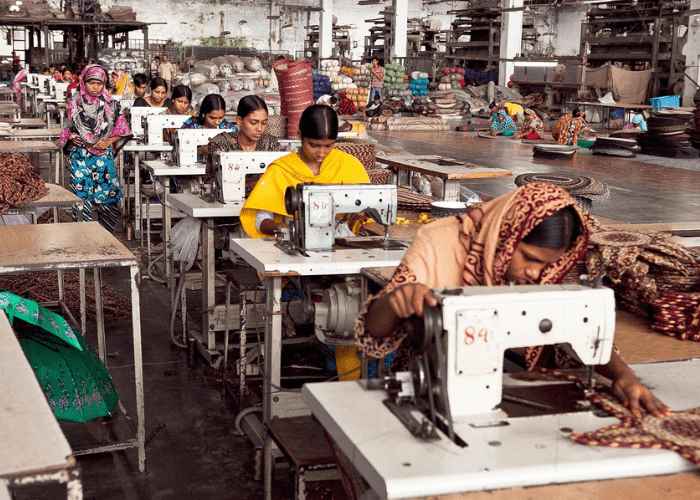
The Government of Uttar Pradesh will now be able to extend the maximum working hours to 12 per day in factories, as long as the total working hours per week does not cross 48.
This has happened post the approval given to the Uttar Pradesh Factories (Amendment) Act by President of India Droupadi Murmu, following which the Act has been enforced.
The amended Act empowers the Uttar Pradesh government to extend the maximum daily working hours to 12 per day and 48 per week. Additionally, workers will be allowed to work for six hours continuously without any break, as long as they give their consent to the same in writing. In case the workload is too much, the state government is empowered to increase the maximum limit of overtime work per quarter to 144. The limit was earlier 75 hours per quarter.
The amendment also provides for women to The Government of Uttar Pradesh will now be able to extend the maximum working hours to 12 per day in factories, as long as the total working hours per week does not cross 48.
This has happened post the approval given to the Uttar Pradesh Factories (Amendment) Act by President of India Droupadi Murmu, following which the Act has been enforced.

The amended Act empowers the Uttar Pradesh government to extend the maximum daily working hours to 12 per day and 48 per week. Additionally, workers will be allowed to work for six hours continuously without any break, as long as they give their consent to the same in writing. In case the workload is too much, the state government is empowered to increase the maximum limit of overtime work per quarter to 144. The limit was earlier 75 hours per quarter.
The amendment also provides for women to work night shifts as long as they give their consent in writing. Another condition is that the factories should have all measures for the safety and health of women in place.
The move is expected to give a push to industrial growth, improve production capacity, and generate more jobs.
Those working beyond the daily limit of working hours will now be paid double the usual pay as overtime wages.
work night shifts as long as they give their consent in writing. Another condition is that the factories should have all measures for the safety and health of women in place.
The move is expected to give a push to industrial growth, improve production capacity, and generate more jobs.
Those working beyond the daily limit of working hours will now be paid double the usual pay as overtime wages.