



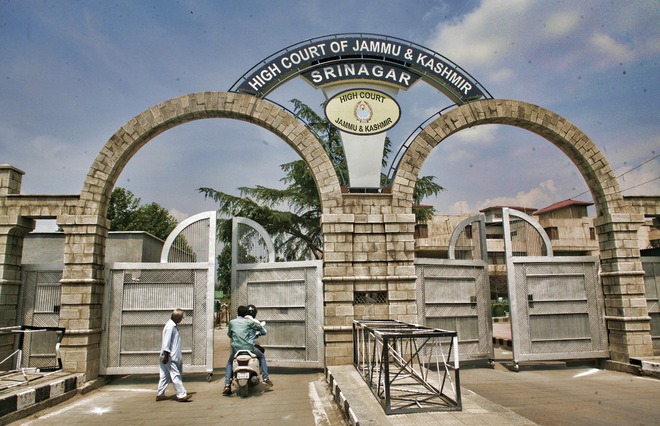
The High Court of Jammu & Kashmir and Ladakh ruled that an employee shouldn’t be denied promotion benefits just because they didn’t go to court while working. Here’s what happened:
At the University of Kashmir, a former assistant registrar applied for higher positions several times between 2003 and 2007. Even though he was eligible, the interviews didn’t happen, and the positions stayed vacant. Later, the university gave the former employee and a colleague temporary roles as deputy registrar/deputy controller of examination.

The former employee wanted permanent promotion to these roles, but the university didn’t consider him before they retired in 2009. On the other hand, his colleague got promoted after the retirement, but the former employee’s requests for the same treatment were ignored. So, the worker filed a petition asking for the same treatment.
The former employee asked for the promotion to start from an earlier date and to get the back pay and retirement benefits he missed. However, the university argued that since the colleague got promoted after the worker retired, he couldn’t get the same benefits.
The court, after hearing both sides, stated that’s not fair. The bench mentioned a previous case of State of Uttar Pradesh and Others v. Arvind Kumar Srivastava and Others, emphasising that when a group of employees receives relief from the court, all others in similar situations should be treated equally to avoid discrimination. This principle is particularly important in employment matters, where fairness dictates that similarly situated individuals should be treated alike, regardless of whether they have approached the court previously.
Furthermore, it noted that the petitioner was aware of their denial of promotion and had taken steps to address it by submitting detailed representations to the University while still employed. Additionally, recommendations in their favour had been made before their retirement.
Furthermore, the bench disagreed with the appellant University’s argument that the petitioner’s promotion was temporary, pointing out that a colleague in the same position had been granted retroactive promotion. The court stated that the delay in this case should not prevent the petitioner from seeking similar benefits, as they had acted within a reasonable timeframe and were not at fault.
Hence, the court rejected the university’s argument and said the worker should get the promotion and back pay they deserve.
