
Close Menu
    Facebook X (Twitter) Instagram
    • Our Story
    • Partner with us
    • Reach Us
    • Career
    Subscribe Newsletter
    HR KathaHR Katha
    • Exclusive
      • Exclusive Features
      • HR Pops
      • herSTORY
      • Perspectives
      • Point Of View
      • Case-In-Point
      • Research
      • Dialogue
      • Movement
      • Profile
      • Beyond Work
      • Rising Star
      • By Invitation
    • News
      • Global HR News
      • Compensation & Benefits
      • Diversity
      • Events
      • Gen Y
      • Hiring & Firing
      • HR & Labour Laws
      • Learning & Development
      • Merger & Acquisition
      • Performance Management & Productivity
      • Talent Management
      • Tools & Technology
      • Work-Life Balance
    • Special
      • Cover Story
      • Editorial
      • HR Forecast 2024
      • HR Forecast 2023
      • HR Forecast 2022
      • HR Forecast 2021
      • HR Forecast 2020
      • HR Forecast 2019
      • New Age Learning
      • Coaching and Training
      • Learn-Engage-Transform
    • Magazine
    • Reports
      • Whitepaper
        • HR Forecast 2024 e-mag
        • Future-proofing Manufacturing Through Digital Transformation
        • Employee Healthcare & Wellness Benefits: A Guide for Indian MSMEs
        • Build a Future Ready Organisation For The Road Ahead
        • Employee Experience Strategy
        • HRKatha 2019 Forecast
        • Decoding and Driving Employee Engagement
        • One Platform, Infinite Possibilities
      • Survey Reports
        • Happiness at Work
        • Upskilling for Jobs of the Future
        • The Labour Code 2020
    • Conferences
      • Leadership Summit 2025
      • Rising Star Leadership Awards
      • HRKatha Futurecast
      • Automation.NXT
      • The Great HR Debate
    • HR Jobs
    WhatsApp LinkedIn X (Twitter) Facebook Instagram
    HR KathaHR Katha
    Home»HR Connect»Engagement is outdated: The future of success lies in ‘employee involvement’
    HR Connect

    Engagement is outdated: The future of success lies in ‘employee involvement’

    Guest WriterBy Guest WriterJanuary 29, 2024Updated:January 29, 20243 Mins Read60816 Views
    Share LinkedIn Twitter Facebook
    Image by studiogstock on Freepik
    Image by studiogstock on Freepik
    Share
    LinkedIn Twitter Facebook

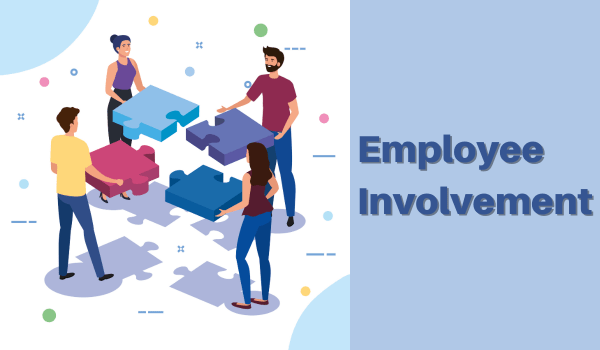
    In the ever-evolving landscape of the contemporary workplace, a profound metamorphosis is underway, challenging the conventional emphasis on employee engagement. This paradigm shift posits that employee involvement should not be considered merely as an alternative but as an indispensable strategic imperative. In this discourse, we delve into the compelling rationale behind the call for organisations to redirect their attention from measuring engagement to strategically prioritising active employee involvement.

    In the traditional model, where engagement often implies a unilateral interaction, a significant departure emerges with involvement. It propels employees from passive recipients of corporate initiatives to active contributors, empowering individuals to shape the narrative actively. This transformative approach establishes an environment where employee opinions and insights are not only valued but integral to the decision-making processes.

    Furthermore, the paradigm of involvement surpasses the satisfaction-oriented scope of engagement. It instills a profound sense of ownership, compelling employees to take responsibility actively. When employees are pivotal in decision-making and problem-solving, heightened accountability ensues, acting as a catalyst for enhanced performance and unwavering commitment.

    Another facet of this strategic shift lies in the harnessing of collective intelligence. While engaged employees bring enthusiasm to their roles, those involved contribute a wealth of diverse perspectives and ideas, fostering a dynamic synergy that transcends individual capabilities. This transformative dynamic turns the workplace into a crucible for innovation and continuous improvement.

    In a business landscape where adaptability is paramount, involvement takes centre stage by integrating individuals into the broader strategic vision of the organisation. While engagement primarily focuses on personal satisfaction, strategic involvement ensures that employees are not just content but agile, ready to pivot and innovate in response to evolving challenges and opportunities.

    Moreover, in a fiercely competitive talent market, organisations prioritising involvement become magnets for top-tier professionals. The allure of actively shaping the company’s direction emerges as a compelling draw. While engagement may attract talent, strategic involvement ensures that employees not only join the organisation but also commit to staying and growing within its ranks.

    This seismic shift from engagement to involvement marks a transformative evolution in the perception and cultivation of workplace satisfaction. It is an acknowledgment that employees are not mere managed assets but indispensable partners in the journey toward organisational success. As companies navigate the intricate dynamics of the modern business landscape, those embracing strategic employee involvement are poised not only to weather change but to thrive and lead. In this redefined paradigm, involvement isn’t a mere buzzword; it is the linchpin unlocking the full potential of both individuals and the organisations they serve.

    The author Namrata Tata is managing partner – Happyness.me 

    employee engagament employee involvement
    Share. LinkedIn Twitter Facebook
    Guest Writer

    Leave A Reply Cancel Reply

    Related Posts

    From referrals to reinvention: Lessons from 13 years of hiring

    November 21, 2025

    Beyond the bonus: Why financial literacy matters more than pay rises

    October 24, 2025

    The hidden cost of financial anxiety

    September 11, 2025

    Psychological safety: the new superpower in winning the talent war

    June 18, 2025
    Editorial

    Leaders must stop being the heart and become the nervous system

    Spotify largely avoids leadership approval for routine product features. Squads, small teams owning specific user…

    What failed brands teach us about talent strategy

    Remember Tata Nano? The Rs 1 lakh car that was supposed to revolutionise Indian mobility?…

    EDITOR'S PICKS

    Geo-fluid models of work: When talent flows like water across borders

    January 20, 2026

    How Kotak Life used young MBAs to challenge its top leaders

    January 20, 2026

    POV: Are organisations betting too heavily on high-potential talent?

    January 19, 2026

    Leaders must stop being the heart and become the nervous system

    January 18, 2026
    Latest Post

    Workload pressures intensify as employee experience shows signs of strain

    News January 20, 2026

    Workload stress is emerging as a growing fault line in employee experience, with a significant…

    Karnataka RTC staff to hold ‘Bengaluru Chalo’ protest over pay dues

    News January 20, 2026

    Employees of Karnataka’s state-run transport corporations have announced a fresh round of protests, escalating pressure…

    How working in the UK changed one Indian tech professional’s view of work

    News January 20, 2026

    An Indian technology professional based in the UK has highlighted stark differences between workplace cultures…

    redBus names Divya Amarnath as VP and head-HR

    Movement January 20, 2026

    MakeMyTrip Group-owned online bus-ticketing platform redBus has strengthened its leadership team. The group has appointed…

    Asia's No.1 HR Platform

    Facebook X (Twitter) Instagram LinkedIn WhatsApp Bluesky
    • Our Story
    • Partner with us
    • Career
    • Reach Us
    • Exclusive Features
    • Cover Story
    • Editorial
    • Dive into the Future of Work: Download HRForecast 2024 Now!
    © 2026 HRKatha.com
    • Disclaimer
    • Refunds & Cancellation Policy
    • Terms of Service

    Type above and press Enter to search. Press Esc to cancel.