


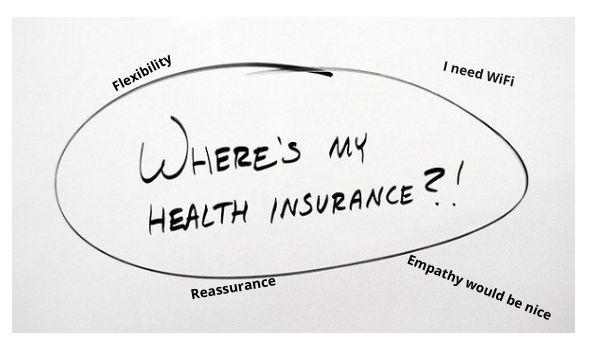
The year has been a long and ongoing real-life reality contest of survival all over the world with every aspect of our lives becoming either essential or non-essential. Employee perks too reflect this transition with the material benefits of pre-COVID times, such as on-site gyms, business travel and corner offices making way for safety and wellness as top priority.
Empathy
“Flexibility, which used to be a privilege in the past, has now become a necessity. It’s a big shift that has happened with all of us.”
Debashree Lad, chief people officer, CredAble
“Wellbeing and safety became employee concerns and those were the requirements that cropped up for organisations. People were looking for more empathy from their employer,” notes Kaushik Chakraborty, director – HR, Savills India. Instead of tangible perks, what became most important for employees was how thoughtful their organisations were. “Who would want a dinner voucher or foreign travel? They would rather go without such perks,” points out Sriharsha Achar, CHRO, Star Health & Allied Insurance.
“I think the biggest thought that preoccupied everybody was ‘I hope I don’t get fired’ so the need for emotional, financial, physical and mental support shot up. All around I see more compassion and humanity now,” adds Achar. Offering that mental peace of job security became a huge perk. “We went out of our way to clearly communicate that there won’t be a single case of redundancy or salary cut,” says Chakraborty. “I think that reassurance for the employees really stood out as a huge mental benefit,” he adds.
Best medical coverage
“Our new work-from-home policy takes into account role requirements and complies with the laws of the lands where we operate.”
Supratik Bhattacharyya, chief talent officer, RPG Group

From being a mechanical task, medical insurance plans became a major focus area for HR. It became a conscious effort to offer the best medical coverage to employees. “Earlier it was just about finding a medical vendor. Now there’s a continued focus and discussion around it – what’s the coverage, how robust is it, what are the benefits,” notes Priyanka Singh, CHRO, Excitel. “As a CHRO, offering the best medical insurance now happens to be my top priority,” adds Singh.
“A lot of organisations have ensured they have a larger cap on the coverage,” says Debashree Lad, chief people officer, CredAble. “Not just MNCs and service organisations, but even in the manufacturing space, companies are making provisions for contractual staff that were not covered earlier,” adds Lad. Many organisations went a step ahead and offered special COVID-19 coverage over and above the regular insurance, while others set up quarantine and testing facilities for employees and their family members.
Flexibility quotient
“Earlier, medical insurance plan was just about finding a medical vendor. Now there’s a continued focus and discussion around coverage, robustness and benefits.”
Priyanka Singh, CHRO, Excitel

Another factor that really stood out as a perk for employees this year was how flexible their organisation was willing to be. “One thing that I’ve seen happen this year is that flexibility used to be a privilege, but now it has become a necessity,” notes Lad. “It’s a big shift that has happened with all of us.”
Right from flexible work schedules and managers to leaves, many aspects of the new wok normal tested the flexibility quotient of organisations. “This year, there were no questions asked in terms of leaves. We allowed flexible leaves for COVID-19, days taken off for that were not factored into the regular leaves,” says Chakraborty.
“Managers are letting go of stricter controls. We’ve kind of graduated and realised that employees can work from home. Flexibility has kicked in and has more receptivity from top management,” notes Singh. “There’s focus on extra time off this year. We gave employees extra time off which was fully paid and I think most organisations have done that,” adds Singh.
“The need for emotional, financial, physical and mental support shot up. All around I see more compassion and humanity now.”
Sriharsha Achar, CHRO, Star Health & Allied Insurance

Considering the lines between personal and professional lives were almost non-existent, this year, many companies even forced their employees to take mandatory time off. While some had ‘silent hours’, wherein work communication was a big no-no, some offered a certain number of days as time off to simply disconnect from work.
Many organisations saw roster systems kick in while others adapted to where the employee wished to work from.The RPG Group’s new work from home policy allows eligible employees to work remotely up to 75 per cent of their time with enough built-in flexibility, informs Supratik Bhattacharyya, chief talent officer, RPG Group.
“We went out of our way to clearly communicate that there won’t be a single case of redundancy or salary cut. That reassurance stood out as a huge mental benefit.”
Kaushik Chakraborty, director – HR, Savills India

“This takes into account role requirements and complies with the laws of the lands where we operate. The new work-from-home policy is meant to apply across locations and geographies, spanning offices, IT campuses, manufacturing locations, project sites, plantations, estates and any other work locations of all RPG Group companies,” adds Bhattacharyya.
Enabling WFH
While most organisations acted swiftly to provide the infrastructure and equipment needed to enable employees to work from home, a lot of companies also offered their workforce a WFH budget to set up comfortable work spaces in their homes. Some reimbursed internet bills or introduced new policies around connectivity.
“In our setup, about 50 per cent of the population earn minimum wages or are people who don’t get a fat pay cheque. Therefore, we said we’ll reimburse their internet. We didn’t want them running from pillar to post for connectivity,” states Singh. “Some companies have also provided extra tabs and WiFi connections for the children at home,” points out Achar.
