

Close Menu
    Facebook X (Twitter) Instagram
    • Our Story
    • Partner with us
    • Reach Us
    • Career
    Subscribe Newsletter
    HR KathaHR Katha
    • Exclusive
      • Exclusive Features
      • Perspectives
      • Friday Features
      • herSTORY
      • Rising Stars
      • Case-In-Point
      • Point Of View
      • Research
      • HR Pops
      • Dialogue
      • Movement
      • Profile
      • Beyond Work
      • By Invitation
    • News
      • Global HR News
      • Compensation & Benefits
      • Diversity
      • Events
      • Gen Y
      • Hiring & Firing
      • HR & Labour Laws
      • Learning & Development
      • Merger & Acquisition
      • Performance Management & Productivity
      • Talent Management
      • Tools & Technology
      • Work-Life Balance
    • Special
      • HR Forecast 2026
      • Cover Story
      • Editorial
      • HR Forecast 2024
      • HR Forecast 2023
      • HR Forecast 2022
      • HR Forecast 2021
      • HR Forecast 2020
      • HR Forecast 2019
      • New Age Learning
      • Coaching and Training
      • Learn-Engage-Transform
    • Magazine
    • Reports
      • Whitepaper
        • HR Forecast 2024 e-mag
        • Future-proofing Manufacturing Through Digital Transformation
        • Employee Healthcare & Wellness Benefits: A Guide for Indian MSMEs
        • Build a Future Ready Organisation For The Road Ahead
        • Employee Experience Strategy
        • HRKatha 2019 Forecast
        • Decoding and Driving Employee Engagement
        • One Platform, Infinite Possibilities
      • Survey Reports
        • Happiness at Work
        • Upskilling for Jobs of the Future
        • The Labour Code 2020
    • Conferences
      • Leadership Summit 2025
      • Rising Star Leadership Awards
      • HRKatha Futurecast
      • Automation.NXT
      • The Great HR Debate
    WhatsApp LinkedIn X (Twitter) Facebook Instagram
    HR KathaHR Katha
    Home»Special»Editorial»How GenAI will reskill, not kill, jobs
    Editorial

    How GenAI will reskill, not kill, jobs

    GenAI is here to collaborate, to augment our capabilities, and to usher in a new era of human-machine co-creation
    mmBy Dr. Prajjal Saha | HRKathaJuly 17, 2024Updated:July 18, 20244 Mins Read20130 Views
    Share LinkedIn Twitter Facebook WhatsApp
    Share
    LinkedIn Twitter Facebook WhatsApp

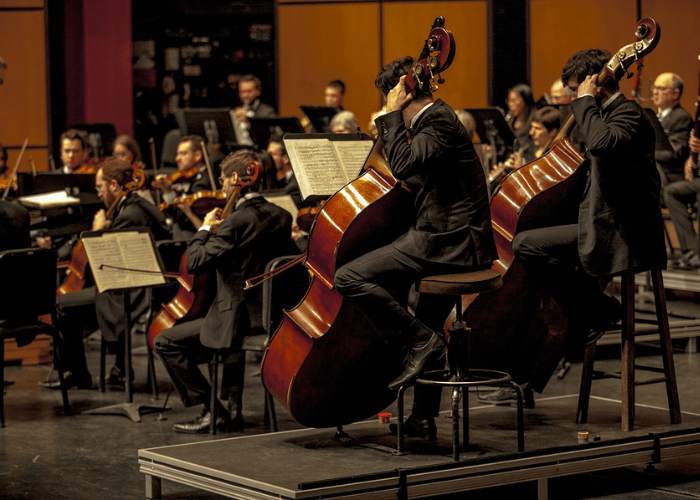
    The winds of change are sweeping through the workplace, and a new conductor has emerged: GenerativeAI (GenAI). However, anxieties surrounding job displacement paint a dystopian picture. Let’s dispel these concerns and explore how GenAI can orchestrate a magnificent symphony of human and machine collaboration, elevating, not eliminating, jobs.

    The misconception that GenAI eliminates entire jobs is a discordant note. Jobs are intricate tapestries woven from individual tasks. GenAI will undoubtedly transform these tasks, but it won’t erase the need for human ingenuity. While some tasks are better suited for machines due to their tireless efficiency, others demand the irreplaceable human touch, such as empathy, critical thinking, and creative problem-solving. The future lies in a powerful synergy: a harmonious blend where AI handles the repetitive, freeing humans to focus on the strategic and imaginative.

    Unlocking this potential hinges on skills. As tasks evolve, so too must our skillsets. Organisations must become talent magnets, attracting and fostering a diverse range of skills – a versatile ensemble ready to adapt and innovate. Deloitte’s research underscores this point: skills-based organisations are 63 per cent more likely to thrive in this dynamic environment.

    The human element remains irreplaceable. Emotional intelligence, leadership, and critical thinking are as valuable as ever. The future belongs to those who can conduct the orchestra – who can leverage the strengths of both humans and machines, coaxing out a symphony of innovation that neither could achieve alone.

    In the dynamic future of work, envision a workforce transformed into a high-performing orchestra. Here, organisations that cultivate a talent pool rich in diverse skillsets will act as the discerning instrument curator. By prioritising adaptability and innovation, these companies will ensure they possess the necessary tools to compose the music of future success.

    Continuous learning will become the lifeblood of this professional orchestra. Imagine the metamorphosis of once ‘T-shaped’ professionals into well-rounded virtuosos, each possessing a vast repertoire of expertise. These adaptable individuals, much like the most versatile musicians, will be highly sought after for their ability to seamlessly blend their talents within the grand symphony of work.

    The future ushers in a new era of human-machine collaboration, not robotic dominance. We can envision AI as the conductor, expertly guiding the overall flow of the performance. However, the human will remain the irreplaceable lead violinist, their artistry and insightful interpretation breathing life into the music. This harmonious collaboration between human and machine will redefine the very essence of work.

    However, the road ahead requires investment. Companies need to ramp up funding for talent development, addressing the dual challenge of creating and utilising AI. This means building technical expertise within the organisation and training the workforce to work seamlessly with their AI counterparts. Think of it as building a state-of-the-art concert hall – you need the latest instruments (AI) and the most talented musicians (human expertise) to create a masterpiece.

    Leadership is paramount. Business leaders must champion initiatives that redefine jobs, redesign tasks, and reskill the workforce. By meticulously breaking down current jobs into their constituent tasks, they can identify which are ripe for automation, augmentation, or remain firmly in the human domain. Leaders are the conductors, ensuring each instrument plays its part and the music flows together.

    The future of work is not to be feared, but embraced. Imagine a radiologist leveraging AI to perform tasks previously out of reach, freeing them to focus on complex cases and patient interaction. But just as a conductor needs to understand the strengths and limitations of each instrument, radiologists will need to understand how to use AI effectively. Studies by MIT suggest that workers with less education might even benefit the most from Gen AI.

    A trust gap exists between leaders and employees regarding GenAI. Employees worry about job security, stress, and increased workload. Leaders, on the other hand, grapple with the technology’s learning curve and communication challenges. Bridging this gap is essential. By fostering transparency and proactively addressing concerns, we can transform these challenges into opportunities. Open communication is key to building a harmonious orchestra, where everyone understands their role and trusts the conductor’s vision.

    GenAI is a powerful tool, but it’s humanity that wields it. By nurturing a workforce equipped to adapt and evolve, we can ensure a future where technology empowers us, not replaces us. The goal isn’t to replace humans, but to unlock our full potential, making humans better at work, and work better for humans. The future belongs to those who embrace change. Let’s start reskilling for the generative era today. The time for adaptation is now, the music has begun, and it’s time to play our part in this magnificent symphony of human and machine potential.

    critical thinking Deloitte Emotional intelligence Employee GenAI GenerativeAI human and machine collaboration Human Resources Jobs LEAD Leadership Redefine jobs reskill T-shaped professionals Workforce
    Share. LinkedIn Twitter Facebook WhatsApp
    mm
    Dr. Prajjal Saha | HRKatha

    Dr. Prajjal Saha is a business journalist and the editor-publisher of HRKatha. He writes on the realities of work and organisations, offering a clear-eyed view of how companies translate intent into action—often revealing the gap between the two. With over 25 years of experience, he focuses on interpreting workplace trends and leadership decisions in a way that is both insightful and accessible. He founded HRKatha in 2015 to create a platform for credible, insight-driven analysis of the evolving workplace.

    Leave A Reply Cancel Reply

    Related Posts

    ISRO employee groups seek safeguards as private participation in space sector expands

    September 18, 2026

    Alligator Automations appoints Unmesh Patil as CHRO

    September 18, 2026

    Medical leave must be applied for, not assumed: High Court

    September 18, 2026

    62% HR leaders say desk-based employees receive more recognition than frontline workers

    September 18, 2026
    zoha
    Editorial

    AI-native workers are forcing managers to earn their relevance

    They did not arrive announcing themselves. They joined as analysts, engineers, content writers, recruiters and…

    Employees are redesigning work before their companies do

    Nobody announced that work would change this way. There was no strategy document, pilot programme…

    EDITOR'S PICKS

    The office phrases that should probably retire

    September 18, 2026

    Case-in-Point: The forced fun culture

    September 17, 2026

    herSTORY: Sulbha Kaushal Rai, Chief People Officer, RenewBuy

    September 17, 2026

    Rich countries use ChatGPT 36 times more than poor ones. Job exposure explains only part of the gap

    September 16, 2026
    Latest Post

    ISRO employee groups seek safeguards as private participation in space sector expands

    News September 18, 2026

    Employee associations at the Indian Space Research Organisation (ISRO) have sought safeguards as private participation…

    Alligator Automations appoints Unmesh Patil as CHRO

    Movement September 18, 2026

    Alligator Automations has announced the appointment of Unmesh Patil as its new chief human resource…

    Medical leave must be applied for, not assumed: High Court

    News September 18, 2026

    The High Court has made it clear: being ill does not automatically translate into sanctioned…

    62% HR leaders say desk-based employees receive more recognition than frontline workers

    News September 18, 2026

    Desk-based employees are receiving recognition and rewards more frequently than frontline and deskless workers, even…

    Asia's No.1 HR Platform

    Facebook X (Twitter) Instagram LinkedIn WhatsApp Bluesky
    • Our Story
    • Partner with us
    • Career
    • Reach Us
    • Exclusive Features
    • Cover Story
    • Editorial
    • Dive into the Future of Work: Download HRForecast 2024 Now!
    © 2026 HRKatha.com
    • Disclaimer
    • Refunds & Cancellation Policy
    • Terms of Service

    Type above and press Enter to search. Press Esc to cancel.