


Close Menu
    Facebook X (Twitter) Instagram
    • Our Story
    • Partner with us
    • Reach Us
    • Career
    Subscribe Newsletter
    HR KathaHR Katha
    • Exclusive
      • Exclusive Features
      • Perspectives
      • Friday Features
      • herSTORY
      • Rising Stars
      • Case-In-Point
      • Point Of View
      • Research
      • HR Pops
      • Dialogue
      • Movement
      • Profile
      • Beyond Work
      • By Invitation
    • Brief News
      • Global HR News
      • Compensation & Benefits
      • Diversity
      • Events
      • Gen Y
      • Hiring & Firing
      • HR & Labour Laws
      • Learning & Development
      • Merger & Acquisition
      • Performance Management & Productivity
      • Talent Management
      • Tools & Technology
      • Work-Life Balance
    • Special
      • Editorial
      • HR Forecast 2026
      • Cover Story
      • HR Forecast 2024
      • HR Forecast 2023
      • HR Forecast 2022
      • HR Forecast 2021
      • HR Forecast 2020
      • HR Forecast 2019
      • New Age Learning
      • Coaching and Training
      • Learn-Engage-Transform
    • Studio
      • The CHRO Playbook
      • Quick HR Insights
      • The Corner Office
    • Reports
      • Whitepaper
        • HR Forecast 2024 e-mag
        • Future-proofing Manufacturing Through Digital Transformation
        • Employee Healthcare & Wellness Benefits: A Guide for Indian MSMEs
        • Build a Future Ready Organisation For The Road Ahead
        • Employee Experience Strategy
        • HRKatha 2019 Forecast
        • Decoding and Driving Employee Engagement
        • One Platform, Infinite Possibilities
      • Survey Reports
        • Happiness at Work
        • Upskilling for Jobs of the Future
        • The Labour Code 2020
    • Forums
      • HRKatha Inner Circle
      • HRKatha Futurecast
      • Leadership Summit 2025
      • Rising Star Leadership Awards
      • HRKatha Futurecast 2025
      • Automation.NXT
      • The Great HR Debate
    WhatsApp LinkedIn X (Twitter) Facebook Instagram
    HR KathaHR Katha
    Home»Exclusive Features»Research»Predictive analytics gets higher pay than big data: Study
    Research

    Predictive analytics gets higher pay than big data: Study

    mmBy Dr. Prajjal Saha | HRKathaApril 11, 20183 Mins Read4215 Views
    Share LinkedIn Twitter Facebook WhatsApp
    Share
    LinkedIn Twitter Facebook WhatsApp

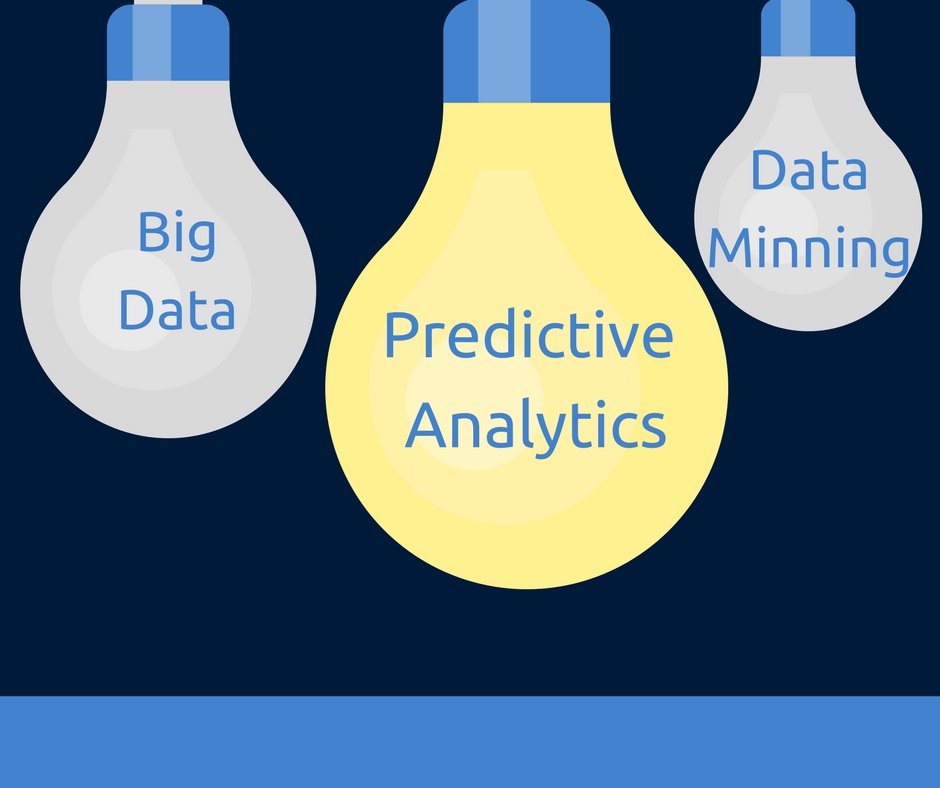
    Median salary of advanced/predictive analytics professionals is 14.5 lakhs, followed by big data and data-mining professionals who are paid a median salary of 14 lakhs and 11 lakhs respectively, per annum.

    With big data and analytics allowing organisations to gain access to multitudes of information that can help them strategise focussed business growth, adoption of data analytics has increased significantly over the past few years. With that, the salaries analytics professionals are offered across industries, levels, locations and roles have also undergone dramatic changes.

    With the industry maturing, a recent study suggests it is the advanced analytics / predictive analytics professionals, who will be paid the highest salaries amongst their peers this year.

    The Analytics India Salary Study 2018 says advanced analytics/ predictive analytics professionals are paid a median salary of 14.5 lakhs, which, however, remains the same as last year, as more professionals are entering the field. Next in line are the big-data professionals and data mining professionals, who receive a median salary of 14 lakhs and 11 lakhs per annum respectively.

    In terms of the increase in salaries as compared to last year, the study observed that data engineering professionals saw the biggest jump in 2018, with median salaries increasing by 23 per cent—from 11.5 lakhs to almost 14.2 lakhs. The report suggests that the demand for data engineers has also increased tremendously in 2018. The number of data experts earning over Rs 15 lakh a year increased from 17 per cent in 2016 to 21 per cent in 2017, it says. In fact, close to 40 per cent of these experts earn an annual salary of over Rs 10 lakh.

    Data engineering professionals saw the biggest jump in 2018, with median salaries increasing by 23 per cent—from 11.5 lakhs to almost 14.2 lakhs.

    While on one hand, the IT industry in India was letting go of a lot of its talent due to automation, and engineering professionals were struggling to keep holding on to their jobs, the salary increase for analytics professionals is also a sign that reskilling will be the best way, going ahead. In 2017, the $160 billion Indian IT industry laid off over 56,000 employees owing to automation.

    On the other hand, data professionals are high in demand across industries. The telecom sector pays them the highest at around Rs 18.6 lakh per annum—the lowest being the media and entertainment industry (10.3 lakh) and large IT companies (10.1 lakhs). The telecom industry, in fact, also has the highest number of professionals with 50 lakhs —1 cr. salary range. With demand for analytics talent surging across industries, the e-commerce sector is believed to hire the most number of entry-level professionals.

    Some industry forecasts suggest that the salaries are only set to grow further in this segment as the Indian data analytics industry, worth two billion dollars today, is expected to grow eight fold to $16 billion by 2025, according to IT trade body, Nasscom.

    However, just as in all other fields, here too women are paid lesser than their male counterparts. As per the study, women analytics professionals in India receive 32 per cent lesser salaries than men.


    Big Data Big Data & Analytics Predictive analytics
    Share. LinkedIn Twitter Facebook WhatsApp
    mm
    Dr. Prajjal Saha | HRKatha

    Dr. Prajjal Saha is a business journalist and the editor-publisher of HRKatha. He writes on the realities of work and organisations, offering a clear-eyed view of how companies translate intent into action—often revealing the gap between the two. With over 25 years of experience, he focuses on interpreting workplace trends and leadership decisions in a way that is both insightful and accessible. He founded HRKatha in 2015 to create a platform for credible, insight-driven analysis of the evolving workplace.

    Leave A Reply Cancel Reply

    Related Posts

    66% of leaders allow AI to write to core systems without approval. Only 33% have fully implemented decision limits

    November 18, 2026

    62% of women in tech say AI eases workloads, yet 42% face higher productivity expectations

    November 11, 2026

    76% of tech professionals are satisfied with their jobs, yet 65% would consider switching

    November 4, 2026

    26% frontline employees report negative transformation experiences, nearly 3x the senior management rate

    October 28, 2026
    zoha
    Editorial

    Companies owe their people more than what is legal

    When Canva announced a restructuring affecting 1,271 employees, or 22 per cent of its workforce,…

    Hard work built India’s global reputation. Availability cannot define its future

    I must have been in school when I first heard the slogan. I was passing…

    EDITOR'S PICKS

    The career mistakes that don’t look like mistakes

    November 20, 2026

    herSTORY: Surbhi Gupta, Chief Talent Officer, South Asia, Publicis Groupe

    November 19, 2026

    Case-in-Point: When a client wants an employee off the account

    November 19, 2026

    66% of leaders allow AI to write to core systems without approval. Only 33% have fully implemented decision limits

    November 18, 2026
    Latest Post

    P&G plans to cut manufacturing and logistics workforce by up to 30% by 2030

    Brief News November 20, 2026

    Procter & Gamble (P&G) plans to reduce its manufacturing and logistics workforce by 20 to…

    Cisco cuts less than 1% of workforce in latest layoff round

    Brief News November 20, 2026

    Cisco has carried out another round of job cuts in November, affecting less than 1…

    MP scraps two-child rule for government employees

    Brief News November 20, 2026

    The Madhya Pradesh government has approved the removal of its 25-year-old two-child restriction for government…

    Karnataka GCCs employ 43% of India’s AI/ML workforce

    Brief News November 20, 2026

    Karnataka’s Global Capability Centres (GCCs) employ 43 per cent of India’s GCC-based artificial intelligence and…

    Asia's No.1 HR Platform

    Facebook X (Twitter) Instagram LinkedIn WhatsApp Bluesky
    • Our Story
    • Partner with us
    • Career
    • Reach Us
    • Exclusive Features
    • Cover Story
    • Editorial
    • Dive into the Future of Work: Download HRForecast 2024 Now!
    © 2026 HRKatha.com
    • Disclaimer
    • Refunds & Cancellation Policy
    • Terms of Service

    Type above and press Enter to search. Press Esc to cancel.