



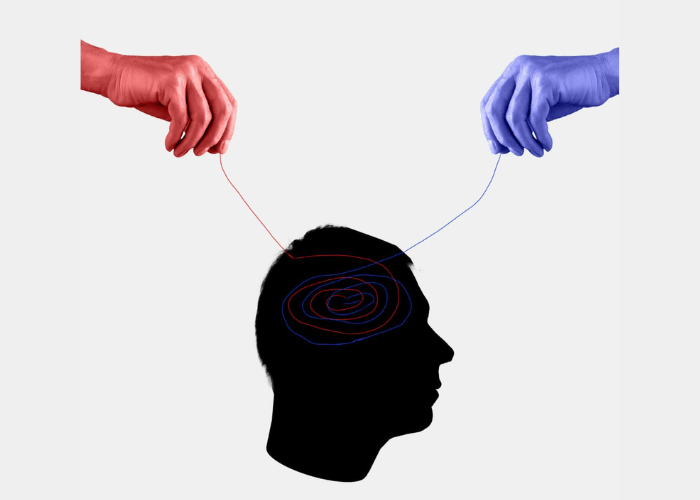
Unconscious biases are learned beliefs, often based on mistaken information, that exist in the subconscious. They can permeate every aspect of an organisation, from hiring and promotion to collaboration and leadership decision-making, all without us even realising it.
With organisations striving to imbibe inclusivity into their core, understanding these hidden biases and coming up with strategies to mitigate their impact becomes crucial to fostering a truly equitable workplace.
Multiple facets of unconscious bias and their impact on workplace dynamics
In organisations, unconscious bias manifests as a silent, invisible force of automatic, immediate judgments and assessments that we make about people and situations. These are influenced by our background, cultural environment and personal experiences, which are pervasive, and can turn into stumbling blocks impacting various aspects of organisational functioning, including recruitment, performance management, succession planning and employee development.
Some common ingrained forms of biases that are often at play unconsciously or with varying degrees of awareness, within the complex dynamics of workplaces are as follows:
Gender bias: This is the most common example of bias that affects women and other gender minorities in the workplace. Women face more microaggressions, such as being ignored or undermined, than men. This can significantly lower women’s confidence and their sense of belonging, and also hurt their performance and retention.
Affinity bias: This type of bias may lead us to favour those who mirror our own characteristics, such as age, race, education, or hobbies, unintentionally creating a homogeneous team or even environment.
Confirmation bias: This could reinforce affinity bias by causing us to seek out information that aligns with our existing beliefs while conveniently dismissing contradicting evidence.
Perception bias: This may affect our ability to think clearly, leading us to form stereotypes and assumptions about certain groups or genders, such as women, people of colour, or even a generation, as with the Millennials.
Groupthink: This form of bias is very often seen in action-stifling innovation and diversity of thought which sort of encourages employees to strive for a general agreement or consensus within a group disregarding alternative perspectives, especially those that challenge the status quo or the group’s norms.
Workplaces of today, striving for true inclusivity and diversity, need to have these invisible barriers dismantled and actively nurture environments where everyone feels valued, heard and included.
On closer inspection, these silent predispositions are found to be influencing our decisions and interactions all the time. It is important to first acknowledge them and then address them diligently, or else, they will flourish under the radar and slowly sway any reforms organisations may undertake. This could have a long-term impact, significantly affecting employee engagement. For instance, it may instill a lack of communication—a disconnected culture, decreased morale and lower productivity.
HR’s strategic role in a diverse, inclusive and resilient workplace
To effectively combat biases, human resource leaders are increasingly relying on unconscious bias (UB) training programmes to become more diverse, equitable and inclusive. These programmes aim to raise awareness regarding the mental shortcuts that often lead to prejudiced judgments—particularly concerning race and gender—regarding people’s talents or character. They also strive to make hiring and promotion fairer and improve interactions with customers and colleagues.
However, simply raising awareness isn’t enough for lasting change and effective UB training should go beyond this initial step. These programmes should encourage self-reflection, educating attendees to practise new behaviours, question assumptions and a conscious expansion of professional circles. It can involve engaging with colleagues from different departments, attending events focused on underrepresented groups, or participating in activities that push employees beyond their comfort zones to foster a deeper understanding of diverse perspectives.
Another crucial aspect here is creating a culture of open communication, where HR leaders can play a key role by ensuring that employees feel safe voicing concerns about bias whenever they encounter it.
Sometimes, such training could inadvertently cause defensiveness or resentment and thus should be designed and delivered with care, tailored to the specific needs and goals of the organisation. It requires a structured multifaceted approach. In other words, along with the training, the right policies can be implemented to promote diversity, equity and inclusion (DEI), and data can be used to pinpoint biases and measure the success of interventions.
Path towards a fair future
Building a resilient workforce to unlock productivity and innovation is important, as this ultimately helps enhance the overall reputation of an organisation. This interconnected reality necessitates the dismantling of unconscious bias, a task that requires both substantial and strategic investment. To curb unconscious bias, organisations can establish clear and consistent criteria for hiring and promotion. Ensuring accountability and transparency in these processes is of utmost importance. Providing mentorship and sponsorship, especially for women and those from underrepresented groups, are a few other effective approaches.
A lot of work needs to be done. This transformation is about reshaping mindsets and systems to foster a workplace where diversity is celebrated, and fairness and inclusivity are the norm. Now, that’s a future worth aspiring for!
 The author of this article, Anindita Chanda is director HR, India, Bounteous x Accolite