


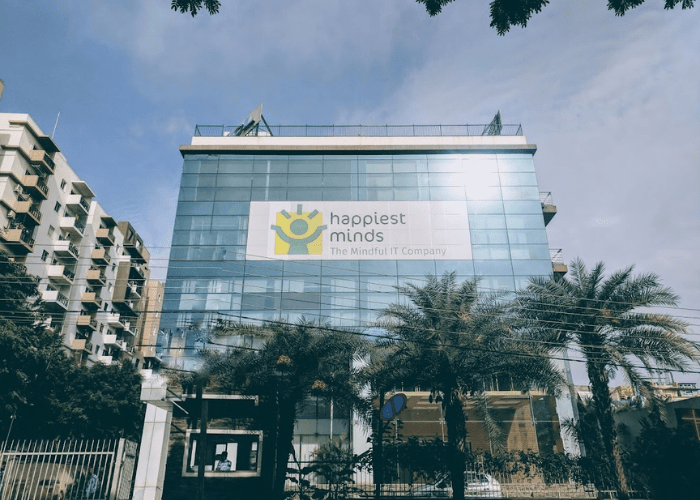
In the ever-competitive world of IT services, staying ahead requires a constant influx of talent and expertise. Happiest Minds Technologies, a young company led by industry veteran Ashok Soota, has carved a distinct niche for itself through a strategic approach to acquisitions: acqui-hiring. It’s not just about acquiring companies and their assets, but rather strategically bringing their talent on board to fuel Happiest Minds’ ambitious growth trajectory.
With a clear vision of reaching $1 billion by 2031, Happiest Minds isn’t afraid to make bold moves. It has an ambitious goal, fuelled not just by organic growth, but by carefully-chosen acquisitions. Recent acquisitions of PureSoftware and Aureus Tech Systems added 1,350 skilled professionals to its ranks, boosting the headcount to 6,600 and propelling the firm towards its financial target. These acquisitions not only boosted Happiest Minds’ revenue from $200 million to $250 million, but more importantly, brought in a wealth of talented individuals.
However, unlike typical acquisitions, where cultural fit is often an afterthought, Happiest Minds prioritises it above all else.
“Cultural misfit has derailed potential deals in the past. We spend days with the leadership teams of target companies, ensuring alignment in vision, purpose and maturity.”
Sachin Khurana, chief people officer, Happiest Minds Technologies
“Cultural misfit has derailed potential deals in the past,” reveals Sachin Khurana, chief people officer, Happiest Minds Technologies. “We spend days with the leadership teams of target companies, ensuring alignment in vision, purpose and maturity,” he says. This meticulous evaluation process underscores a core belief at Happiest Minds: ‘Our top line is directly proportional to the people we acquire.’ After all, acquiring talent without cultural alignment can lead to a disengaged workforce, hindering productivity and stalling growth.”
Happiest Minds understands that integration is a marathon, not a sprint. Unlike some companies that rush the process, leading to disruption and employee dissatisfaction, Happiest Minds takes a measured approach. Its strategy involves a seamless blending of teams over 18-24 months. The initial phase focuses on respecting the acquired company’s identity and fostering a sense of autonomy. Khurana emphasises, “It’s about stitching teams together, not imposing our culture.” This allows employees from the acquired company to adjust to the new environment without feeling overwhelmed.
The honeymoon period fades after a few months, ushering in the crucial ‘sustenance phase’. This is where the real work begins – fostering collaboration and open communication between the two teams. “We have to have our ears to the ground,” says Khurana. Regular communication, albeit less frequent than the initial phase, is vital to prevent a communication vacuum and address any concerns that may arise.
To further strengthen the bond between the teams, Happiest Minds implements co-creation programmes that involve members from both sides. This collaborative approach not only fosters a sense of ownership but also leverages the strengths of both teams. Additionally, the company strategically delegates responsibilities to members of the acquired team earlier than usual. This not only demonstrates trust in their abilities but also paves the way for their career growth within the new organisation. Khurana’s own career trajectory exemplifies this philosophy. A former employee of an acquired company himself, he rose through the ranks to become Happiest Minds’ chief people officer, a testament to the company’s commitment to nurturing talent from within.
Transparency with existing Happiest Minds employees is equally important. The message is clear: “This is a merger of partnerships, not an acquisition,” explains Khurana. Happiest Minds actively seeks and implements best practices from the acquired companies, fostering a “one plus eleven” outcome – a company that’s greater than the sum of its parts. This not only benefits Happiest Minds but also showcases the value it places on the expertise and knowledge brought in by the acquired teams.
What’s in it for the acquired team? Happiest Minds goes beyond just acquiring talent; it prioritises employee well-being. Robust talent-management programmes address individual aspirations, providing opportunities for reskilling and upskilling to ensure the workforce remains competitive in the ever-evolving IT landscape. Comprehensive career-development opportunities are charted, and success stories are shared, demonstrating a clear path for growth within the new organisation.
Financially, Happiest Minds utilises an innovative ‘earnout model’, where a portion of the acquisition cost is tied to performance over one or two years. This incentivises the acquired company’s leadership to deliver results even while maintaining team stability, a crucial aspect of acqui-hiring. It ensures that both companies are working towards a shared goal, fostering a sense of partnership rather than a takeover.
Swift integration of enabling functions, such as HR and finance, allows for quicker streamlining of operations. However, business function integration takes place gradually over two years. This measured approach minimises disruption for employees on both sides and allows for a smoother transition. Happiest Minds’ post-acquisition attrition rates, consistently in the single digits, speak volumes about the success of its integration strategy.
By prioritising cultural fit, fostering collaboration and investing in people, Happiest Minds has mastered the art of acqui-hiring. This strategic approach not only fuels its growth but also ensures a happy and productive future for its acquired talent. In a world obsessed with size, Happiest Minds’ ‘startup at heart’ culture is a reassuring embrace for new additions to the family. This, coupled with the focus on professional development, creates a win-win scenario for both the company and its acquired talent, solidifying Happiest Minds’ position as a future leader in the IT services industry.