


A customer service assistant, Rao, who was made permanent after a six-month probation period,in the year 2000, was dismissed following allegations of misconduct in August, 2008. Though the company had initiated disciplinary proceedings against Rao, there was no evidence of any actual misconduct by him according to Rao.
Rao, therefore, challenged his dismissal before the Central Government Administrative Tribunal-Cum-Labour Court. The judgement in January of 2017 detailed that the disciplinary proceedings against Rao violated the principles of natural justice and that the employer had failed to prove that Rao was actually involved in any misconduct. As a result, Rao’s dismissal was termed as unfair and illegal. The Tribunal directed that Rao should be reinstated and be given 50 per cent of his back wages. He was told that he would enjoy not just continuity of service but all the other benefits that he would have been entitled to.
The employee, however, appealed in court against this order following which the court passed an interim order in April of 2017 asking the employer to deposit Rs 13 lakh with the court, while the final judgement was awaited. But a dissatisfied Rao filed a writ appeal, following which the court, in November of 2017 ordered that Rao be paid 30 per cent of his last drawn salary, including the amount covering the period from the issue of the interim order.
But then during the waiting time for the final judgement, when Rao’s job was to be restored and he was to receive Rs 13 lakhs, the company went insolvent.
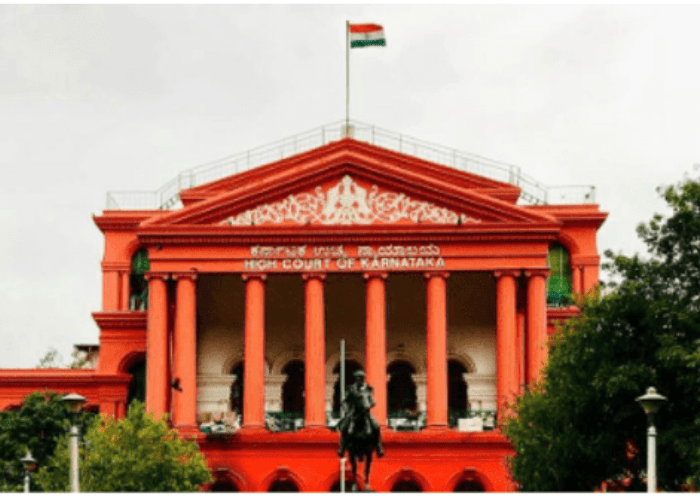
The Counsel for the Official Liquidator maintained that it wasn’t possible to release the back wages to Rao because of the ongoing liquidation proceedings; and that the Rs 13 lakhs that the employer had deposited with the court was part of the liquidation estate, and therefore, could not be given to Rao. This led to Rao filing another case in the Karnataka High Court. In September of 2025, the Karnataka High court ruled in Rao’s favour and directed that he be paid Rs 13 lakhs along with interest at once.
The Hight Court dismissed the argument of the Counsel for the Official Liquidator saying the employee’s right to receive 50 per cent of back wages had already been made clear when the order was passed in 2017, that is, way before the liquidation proceedings even began.
