


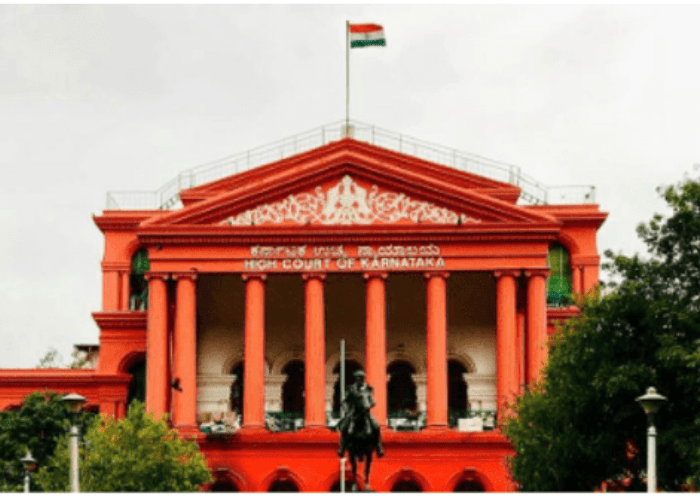
The Karnataka High Court has refused to increase the maintenance amount granted to a woman under the Domestic Violence Act, while also rejecting her husband’s plea to cancel the existing order. The case highlights how employment status and salary levels influence maintenance decisions in marital disputes.
The couple married in 2009, but the relationship broke down amid allegations of dowry demands and harassment. In 2015, a Family Court directed the husband to pay Rs 5,000 per month towards rent, Rs 4,000 per month as maintenance, and Rs 40,000 as compensation. Both sides challenged this order.
The wife argued that her husband owned property and was hiding facts, while the husband claimed he was unemployed after shutting down his school business. He said it was difficult to pay maintenance, especially since his wife was earning more than Rs 1.5 lakh per month.
The High Court noted that the husband had mortgaged his land multiple times, showing he could raise money but chose not to meet his obligations. At the same time, the court also observed that the wife was financially independent, with no children to support, and therefore did not need an increase in maintenance.
By dismissing both petitions, the HC allowed the earlier order to continue. The ruling underscores how courts weigh the earning capacity of both spouses, the presence of dependents, and the fairness of financial responsibilities. For HR and employment-related discussions, the case reflects the importance of financial independence, job security, and transparency in income when disputes over support arise.