



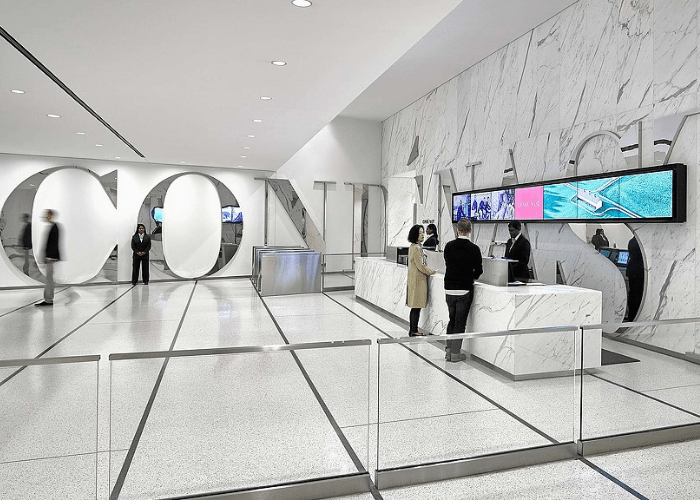
Following the outbreak of the Israel-Hamas war, Jewish and pro-Israel employees at the publishing giant, Condé Nast, raised concerns. They expressed unease about perceived anti-Israel and anti-Jewish sentiments among colleagues.
Allegations surfaced that certain employees participated in pro-Palestinian protests. Additionally, Condé Nast’s magazines, including Vogue, The New Yorker, and Vanity Fair, were accused of reflecting a pro-Palestinian bias in their coverage.

In June, Yashica Olden, Condé Nast’s chief diversity and inclusion Officer, , quietly stepped down. This decision followed complaints filed by Jewish employees with the company’s HR department, accusing her of failing to address their concerns. Olden, who had held the position since September 2020, was accused of not taking action against journalists who allowed pro-Palestinian views to influence their reporting after the Hamas attack.
She was also criticised for not disciplining staff members who reportedly participated in pro-Palestinian demonstrations.
A notable incident involved Gabriella Karefa-Johnson, Vogue’s editor-at-large, who sparked controversy with social media posts following the 7 October attack. In her posts, she labelled Israel as an “apartheid state,” accused it of “genocide,” and compared the Israel Defence Forces to a “terrorist organisation.” While Vogue clarified that these views were personal and not representative of the magazine or Condé Nast, Karefa-Johnson resigned from her position in February.
Teen Vogue also faced scrutiny for its coverage of the Israel-Hamas conflict, with certain stories flagged by Condé Nast’s content integrity group for displaying an anti-Israel bias. Despite these incidents and ongoing internal tensions, neither Olden nor Condé Nast have publicly addressed the allegations or concerns regarding bias in the company’s publication.
