


The moment that changed everything
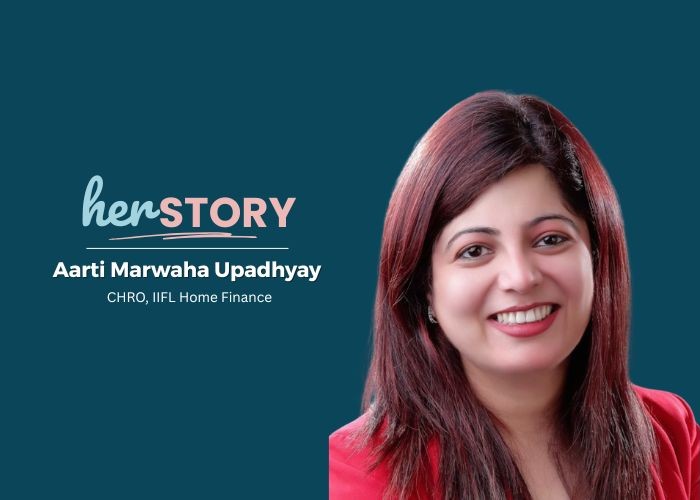
The pivotal moment came not in a boardroom but in a hallway. Aarti Marwaha Upadhyay was collecting a gold medal for ranking first in her university when she thanked APJ Abdul Kalam during the convocation ceremony. As she shared some of her “high moments”, those few minutes of “listening without judgement” crystallised something essential: HR wasn’t about policies or processes but about people. Later, when colleagues told her they felt heard, the power of listening, guiding and believing became her compass.
“HR can influence equity through everyday systems and conversations”
Bias in the interview room
Has she encountered gender bias? Certainly. She recalls a leadership-hiring role where interviewers unconsciously rated male candidates as “more assertive” whilst female candidates were deemed “less experienced” or lacking “the ability to do the job”. What shocked her was that their profiles showed equal leadership exposure, yet they were being stereotyped. Not one to stay silent, Marwaha initiated a brief bias-awareness session, highlighting how word choices in evaluations—aggressive versus confident, for instance—can reflect prejudice. She also ensured a structured interview process focused on skills. Before long, hiring feedback became more objective and they saw an increase in gender balance across leadership roles. It affirmed her belief that HR can influence equity through everyday systems and conversations.
Learning through discomfort
Recalling the biggest professional risk she took, Marwaha says she accepted a field HR lead role when her daughter was a toddler. She didn’t realise what she was getting into. Beyond travelling, she had to work with people on the ground. Without a blueprint or support system, she was forced out of her comfort zone—both professionally and personally. But it taught her adaptability and humility.
Marwaha learned to listen deeply and respect differences. By understanding the nuts and bolts of the business, she gained confidence and started to believe more strongly that leadership begins with understanding, not expertise.
“Empowering, empathetic and purpose-driven” is how she describes her leadership style today.
She leads with the belief that people don’t just deliver outcomes but create the culture that sustains them. Her focus is on enabling others to perform at their best by building trust, credibility, clarity and connection.
She admits her style has evolved. Earlier in her career, she was more task-oriented—eager to execute perfectly and prove credibility. But as she led larger teams, she realised that true leadership isn’t about being the expert in the room; it’s about creating the conditions where others can thrive. Now she leads by listening deeply, empowering decision-making and aligning people’s strengths with purpose. She has learned that empathy and accountability can coexist, and when they do, teams not only perform better but grow stronger.
Championing the unpopular
In a previous organisation, Marwaha proposed replacing traditional annual ratings with continuous feedback. Many managers resisted, comfortable with the old system and worried about extra work and subjective evaluation.
Instead of pushing the change top-down, she took three steps. First, her team shared research showing that continuous feedback improved engagement, retention and performance outcomes. Second, they ran a small pilot, showcasing measurable improvements in employee satisfaction and manager effectiveness.
Third, they conducted workshops and one-on-one sessions with managers, inviting feedback, addressing concerns and co-creating guidelines.
“Women are shaping organisational culture, diversity and employee experience, moving beyond traditional administrative roles”
Where women still have ground to cover
Whilst Marwaha is pleased that more women now hold C-suite roles and are seen as partners in business decision-making, she believes they still need to push harder on equal pay and recognition. “Women are often not recognised as negotiators, business drivers or true strategic decision-makers,” she states, even though they are “shaping organisational culture, diversity and employee experience, and moving beyond traditional administrative roles”.
She acknowledges that women receive more support these days, both formally and informally. Mentorship is available and opportunities for aspiring leadership exist. But they need to strive harder to break the ceiling and gain cross-functional exposure. Systems need to be created to allow women not just to lead but to shape organisational strategy at every level.
Quick Fire Round
What energises you most about your work?
Empowering teams, enabling leadership and fostering a workplace culture that combines purpose with performance.
Best investment you’ve made in yourself?
Continuous learning through leadership programmes, HR certification and mentorship. This has strengthened my ability to lead teams, drive strategic initiatives and adapt to evolving business challenges whilst enhancing my self-awareness and resilience.
One skill you’re currently working on developing?
HR analytics and strategic influence—using data to guide decisions, measure impact and align people strategies with business outcomes.
Your definition of success today versus ten years ago?
Ten years ago, I defined success by personal achievement and recognition—completing projects flawlessly, earning promotions and proving my capabilities. Today, success is about impact, influence and enabling others to grow. It’s no longer about titles or milestones, but about creating sustainable results and meaningful differences for people and the organisation.
What’s the best career advice you’ve ever received?
Focus on learning, creating meaningful impact and building strong relationships. Growth comes from stepping out of your comfort zone, taking on challenges, influencing others through trust and collaboration, and ensuring your work drives real business and people outcomes.
The support that made it possible
Marwaha couldn’t have achieved what she did without her family—parents, in-laws, husband, and even her 11-year-old daughter—who taught her to believe during challenging times and never to doubt herself. Their confidence made it possible for her to embrace risks and see failures as learning opportunities rather than setbacks. Their support made her resilient and reminded her how important it is to invest in oneself and focus on continuous learning.
She is also grateful to a senior who helped her understand how HR initiatives impact business functions beyond people management and encouraged collaboration with non-HR stakeholders. Those lessons in collaboration and cross-functional thinking made her realise that effective HR leadership requires understanding and influencing the broader business ecosystem.
“Go ahead and volunteer for projects that push you out of your comfort zone,” she urges young people. She emphasises the importance of finding “mentors who challenge and guide you, and don’t underestimate the power of your voice”. When she started in HR, she learned quickly that growth comes from taking initiative and learning continuously. After all, “HR isn’t about policies—it’s about shaping the culture, enabling people and driving impact,” she says. She suggests approaching one’s career with curiosity, courage and empathy. “You will be surprised at what you can achieve.”