


For years, HR sat at the centre of organisations, ensuring policies were followed, processes ran smoothly and risks were contained. It was the function that kept the engine compliant, if not always competitive.
But that ground has shifted.
In a world defined by disruption, talent volatility and constant pressure on performance, organisations are asking more of HR than operational excellence. They are asking for impact.
This raises a fundamental question. Is it enough for HR to run efficient systems, or should its success be judged by the business outcomes it helps unlock?
The debate is no longer about whether HR should evolve. It already has. The real question is how we define its success.
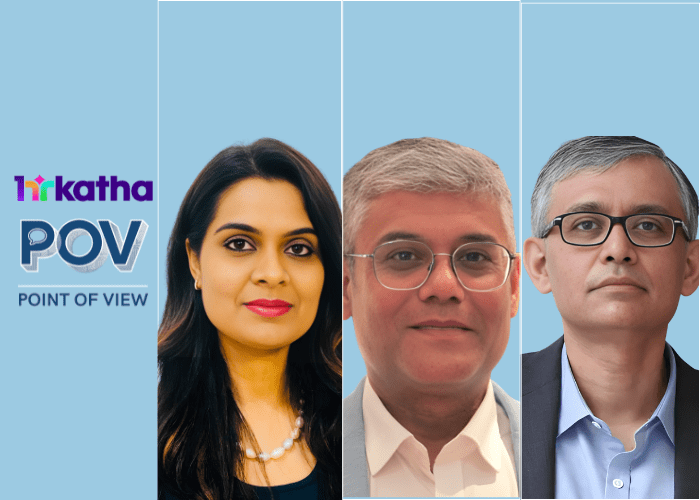
 Anaahat Singh, Chief Human Resources Officer, Aviva India
Business impact, not process efficiency, defines HR’s value today.
HR’s value lies in the impact it creates, not the processes it manages. Policies and compliance provide structure and fairness, but they are the baseline, not the benchmark.
The focus must shift from activity to outcome. Instead of asking whether systems are in place, the more relevant questions are: Are we improving talent density? Are we retaining high-potential performers? Is culture enabling performance?
At Aviva India, this translates into initiatives that go beyond optics. Wellness programmes such as Walkathons and technology-led interventions like digital health kiosks are not standalone activities. They reflect a broader belief that people perform better when they feel better.
Engagement, health and growth are not soft metrics. They are business enablers.
HR’s role is intentional. It may not always be visible, but it is consistently meaningful. The shift is not just operational. It is philosophical. HR is no longer about managing systems. It is about influencing outcomes through people.
Takeaway: HR earns its seat at the table when it moves from tracking activity to demonstrating tangible impact on talent, culture and performance.
 Nitin Khindria, Chief Human Resources Officer, Omega Seiki Mobility
HR becomes strategic only when it aligns with business outcomes.
In a business environment shaped by agility and constant change, traditional HR metrics are no longer enough. Productivity, retention and profitability are not just business metrics. They are HR metrics too.
Compliance and risk mitigation still matter, but they cannot dominate the narrative. The real challenge is enabling business sustainability in an environment where both employees and organisations expect continuous evolution.
At Omega Seiki Mobility, this thinking is embedded in everyday practice. Conversations around business metrics are ongoing. The focus is simple: is every action creating value?
HR is not a support function working in isolation. It is integrated with every function and stakeholder.
But HR does not become strategic by declaration. It becomes strategic when the business grows, collaboration improves and outcomes align with organisational goals.
That requires constant recalibration. It means rethinking what matters, simplifying what does not and ensuring that every initiative contributes to the larger objective.
Takeaway: HR becomes truly strategic when every initiative is aligned to measurable business outcomes such as growth, innovation and sustainability.
 Vivek Tripathi, Senior HR Leader
The future lies in integrating compliance with capability building.
The evolution of HR is not about abandoning its foundations. Compliance, governance and structure still play a critical role. They create the necessary discipline and consistency.
But high-performance organisations operate on a different premise. Hiring the right people, enabling employee voice and fostering continuous learning drive innovation and value.
In this model, HR’s role expands from regulating behaviour to enabling potential.
The challenge, however, lies in measurement. While the intent behind initiatives such as learning programmes or capability building is clear, linking them directly to business outcomes is not easy.
How do you quantify the impact of a training programme?
How do you isolate its contribution to performance or innovation?
This gap between intent and measurement remains one of HR’s biggest challenges.
The answer lies in integration. Organisations need strong foundations, but they also need better ways to measure how people practices translate into business value.
Takeaway: The future of HR lies in combining compliance with capability building while improving how impact is measured.