


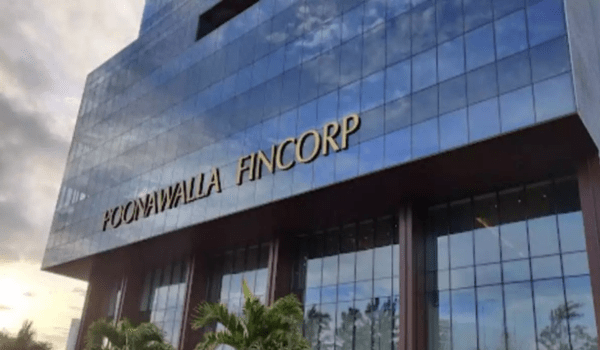
The resignation of Dhiraj Saxena, Chief Technical Officer (CTO) of Poonawalla Fincorp, citing alleged harassment and unwarranted interventions by the Chief Human Resources Officer (CHRO), has brought executive-level conflicts into sharp focus. Effective December 3, Saxena’s exit underscores the broader ramifications of unresolved disputes among senior leaders, from disrupted IT delivery to diminished team morale and cultural fissures.
Such incidents highlight the CEO’s pivotal role as a mediator. Leaders at the helm must anticipate, address, and resolve conflicts before they escalate into organisational crises.
A brewing storm
Conflicts among CXOs often stem from overlapping responsibilities, undefined boundaries, or clashing visions. In this case, Saxena’s grievances of ‘harassment and unnecessary interventions’ suggest a deeper power struggle between the forward-looking priorities of a CTO and the compliance-driven mandates of a CHRO.
As Varadarajan (Raja), former CHRO, Vistara, remarks, “Such disputes are rarely abrupt; they are typically the result of simmering tensions that escalate over time.”
To avoid such clashes, CEOs must invest in team-building activities that foster strategic alignment and mutual respect. Unlike the operational focus of team-building for junior employees, these efforts at the leadership level must prioritise collaborative goal-setting and role clarity.
At Poonawalla Fincorp, Saxena’s tenure began a year before the CHRO’s appointment—a timeline that may have exacerbated mismatched expectations and working styles. Without structured onboarding and frameworks to foster collaboration, misunderstandings and territorial conflicts become inevitable.
“Personality power plays are a deeper issue in many companies, fuelled by tenure, turf wars, psychographic differences, or the CEO’s inability to act decisively.”
Prabir Jha, founder & CEO, Prabir Jha People Advisory
The CEO’s role as mediator
When disputes arise at the leadership level, the CEO must step into a pivotal role—not just as an authority figure but as a mediator and culture custodian. This requires a situational leadership approach that delves into the behavioural drivers behind the conflict, uncovers root causes, and fosters open dialogue. Instead of mediating individual concerns in isolation, the CEO should bring conflicting parties together for transparent discussions.
“Mediation is not about apportioning blame but about finding common ground and reaffirming shared objectives,” explains Emmanuel David, CHRO, Altius.
David advocates for regular review meetings where CEOs can observe leadership dynamics and address latent issues before they escalate. “One of the first steps a CEO should take is to convene both parties for a face-to-face discussion,” he adds.
“Such disputes are rarely abrupt; they are typically the result of simmering tensions that escalate over time.”
Varadarajan (Raja), former CHRO, Vistara

Avoiding ‘Ostrich Leadership’
When CEOs ignore executive-level conflicts, the consequences extend far beyond the individuals involved. Delays in decision-making, mixed messaging to teams, and visible tensions erode organisational morale. Prabir Jha, founder and CEO, Prabir Jha People Advisory, describes this as “ostrich leadership”—the dangerous tendency to bury one’s head in the sand, hoping issues will resolve themselves.
“Personality power plays are a deeper issue in many companies, fuelled by tenure, turf wars, psychographic differences, or the CEO’s inability to act decisively,” Jha warns.
Unchecked conflicts among senior leaders can lead to operational disruptions, such as the delays in IT delivery that Poonawalla Fincorp is reportedly facing post-Saxena’s resignation.
Jha offers additional insights: “Strained relationships or deep differences between two CXOs are not uncommon. It is the CEO’s job to help them sort it out—whether through informal conversations, facilitating dialogues, or engaging external coaches.”
Fairness and impartiality, Jha notes, are paramount in these interventions.
“Mediation is not about apportioning blame but about finding common ground and reaffirming shared objectives.”
Emmanuel David, CHRO, Altius

Balancing innovation and governance
The roles of CTOs and CHROs often reflect competing priorities: innovation versus governance. Saxena’s frustration with “unnecessary interventions” may have stemmed from policies that stifled his agility, while the CHRO’s actions might have been necessary to maintain compliance and organisational integrity.
Resolving such disputes requires the CEO to act as a bridge, fostering processes that accommodate both innovation and governance. This involves aligning roles to ensure that leaders view their responsibilities as interdependent rather than isolated.
“When leaders view their roles as interdependent, collaboration becomes a shared priority,” David notes.
“Execution delays, mixed messaging, or visible tensions rarely emerge overnight. These issues fester over time, becoming more entrenched if left unaddressed.”
Suchismita Burman, senior HR leader

Cultural alignment and leadership dynamics
Conflicts like the one at Poonawalla Fincorp also point to deeper cultural misalignments. A strong organisational culture—anchored in transparency, mutual respect, and open communication—acts as a safeguard against ego clashes and power struggles.
“CXOs must align with not just operational goals but also cultural values,” says senior HR leader Suchismita Burman. She sees executive disputes as symptoms of broader cultural dissonance and urges CEOs to embody collaborative leadership.
Burman emphasises the importance of addressing early warning signs: “Execution delays, mixed messaging, or visible tensions rarely emerge overnight. These issues fester over time, becoming more entrenched if left unaddressed.”
CEOs must remain vigilant, cultivating open communication channels to address problems at their inception.
A cautionary tale
The Poonawalla Fincorp episode is a stark reminder of the CEO’s critical role in managing leadership dynamics. As Jha aptly summarises, “Ostrich behaviour often leaves casualties, along with organisational damage.”
Effective mediation, grounded in fairness, role clarity, and cultural alignment, is essential to prevent leadership conflicts from spiralling into public exits or operational crises.
For CEOs, the challenge is not just resolving conflicts but embedding resilience into their leadership teams. When handled well, differences among CXOs can become a source of strength, driving innovation and collaboration. When mishandled, they can fracture organisations and erode trust—leaving a legacy of lessons rather than success.
1 Comment
While all this information and advice shared by industry experts is on one side, the actual reason, as read, is the appointment of a new MD and CEO and his support for the CHRO, whom he appointed (possibly an old colleague). So the actual reason of Dheeraj moving out is CEO and not CHRO.