



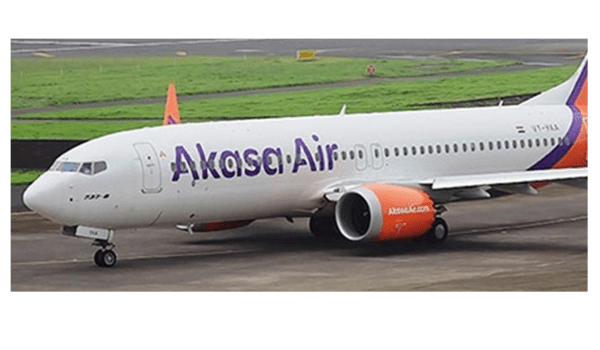
A section of Akasa Air pilots has raised concerns over alleged training lapses and safety issues at the airline. The pilots have approached the Civil Aviation Ministry, seeking intervention and an independent probe into the airline’s management practices and operational standards.
However, Akasa Air has strongly denied these allegations, calling them baseless and untrue.

The controversy comes as the airline faces claims that 84 pilots resigned on a single day giving just one day’s notice. The airline has dismissed this as inaccurate, stating the allegations do not reflect the views of the broader pilot community at Akasa Air.
In response, Akasa Air highlighted its employee retention and satisfaction metrics. The airline stated that since October 2023, 324 pilots have joined its workforce. It claimed an annualised attrition rate of less than one per cent among pilots, emphasising the effectiveness of its work culture and policies.
According to the airline, regular internal surveys have shown that pilots are consistently reporting the highest levels of job satisfaction among all employee groups. Akasa Air also noted that only a minimal number of pilots left the airline in 2024, countering claims of widespread dissatisfaction.
This is not the first time Akasa Air has faced challenges with its pilot workforce. Earlier this year, the Directorate General of Civil Aviation (DGCA) fined the airline Rs 30 lakh for lapses in crew training. The penalty underscored regulatory scrutiny over training and operational protocols.
Akasa Air, which has been operating for over two years now, currently has a fleet of 26 aircraft. It serves 27 destinations, including five international cities. Despite the recent concerns, the airline has been expanding its network and workforce steadily.
The letter from the pilots to Civil Aviation Minister K Rammohan Naidu has added a new layer of scrutiny to the airline’s operations. With calls for an independent investigation, the situation is likely to attract further attention from both regulators and industry stakeholders.
