


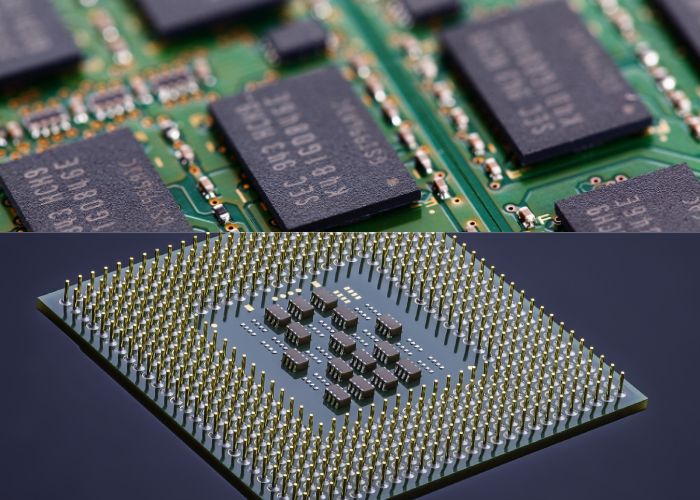
Delhi has drafted a semiconductor policy to strengthen its role in chip design, research, and related areas. The plan is part of India’s wider semiconductor mission, which seeks to reduce dependence on imports and build domestic capacity. The Delhi government sees this as a way to create jobs, attract investment, and position the city as a hub for advanced technology.
Chief Minister Rekha Gupta highlighted that semiconductors are critical for industries ranging from consumer electronics and transport to defence and artificial intelligence. The new policy will focus on design, intellectual property, research, and manufacturing-linked activities such as assembly, testing, marking, and packaging. Delhi aims to attract fabless companies, startups, and global firms looking to expand in India.
Officials said the policy will include financial and non-financial incentives, such as subsidies, infrastructure support, and measures to lower operational costs. It will also encourage partnerships between industry and academia to build skills and prepare a workforce for future semiconductor roles.
The government expects rising demand for jobs in chip design, semiconductor research, and packaging. Training programmes and targeted skilling initiatives are planned to ensure young professionals are ready for these opportunities.
Delhi’s move comes as India targets meeting 70–75 per cent of its semiconductor demand domestically by 2029. Global supply chain disruptions during the pandemic exposed vulnerabilities, making local capacity more important. By focusing on design and talent rather than fabrication plants, Delhi hopes to carve out a niche in the semiconductor ecosystem while contributing to national goals of self-reliance and economic resilience.
