


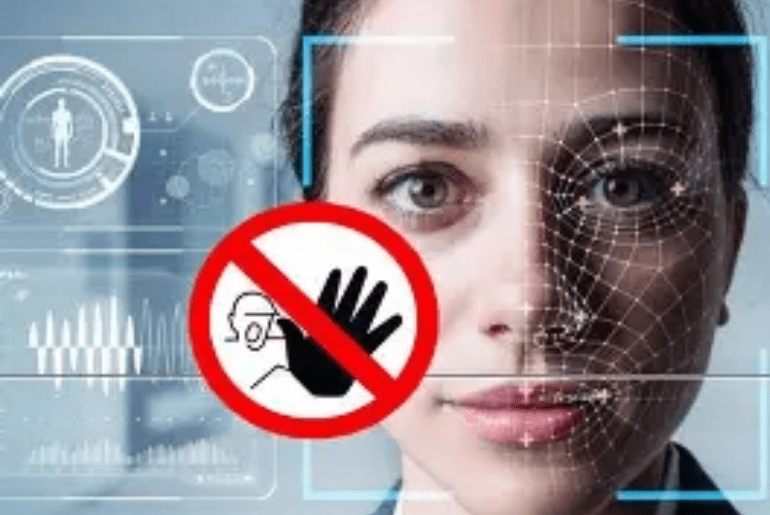
California lawmakers have passed a bill that would bar employers from using AI-powered surveillance tools to monitor workers’ emotional states and neural data, with the legislation now headed to Governor Gavin Newsom for signature.
Assembly Bill 1883 received its final vote in the Assembly on 30 August, as a part of 30 AI-related bills cleared in the 2026 session. If signed, it would prohibit workplace-surveillance systems that use artificial intelligence to collect nervous system data or identify a worker’s emotions.
The measure complements California’s existing privacy framework and new rules from the California Privacy Protection Agency on automated decision-making. Unlike broader transparency-focussed AI laws in states such as Colorado, AB 1883 directly restricts a specific intrusive capability.
Enforcement would fall to the state labour commissioner or public prosecutors, with civil penalties up to $500 per violation.
The bill emerges amid limited state-level restrictions on AI in employment. Illinois limits AI-analysed video interviews, while Maryland restricts facial recognition.
Newsom had vetoed a broader 2025 proposal backed by labour unions that would have required disclosure of AI-based automated decision systems and barred AI from firing or disciplining workers.
Lawmakers say the bill addresses rising AI surveillance in workplaces while preserving legitimate uses such as safety. Debate centred on defining the ban narrowly — to prohibit unreliable AI emotion detection and neural data collection, without curtailing other workplace surveillance tools used for safety. Newsom has until 30 September to sign or veto.
