


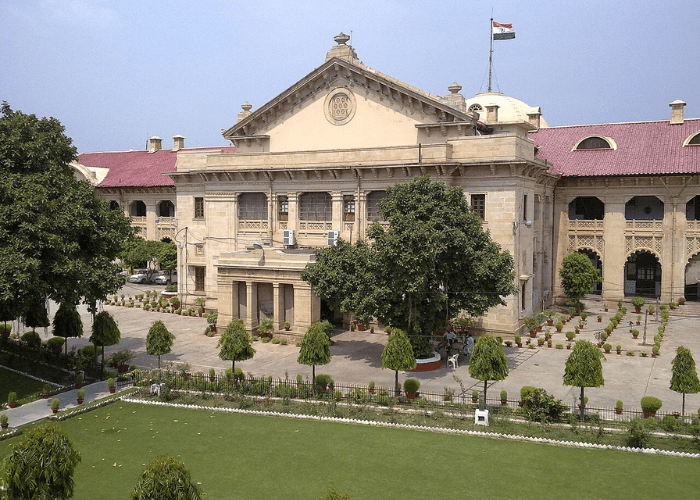
The Allahabad High Court’s Lucknow bench has ended criminal proceedings against Azim Premji, chairman, Wipro, and other senior executives. The case was linked to alleged breaches of labour laws at Wipro’s Ghaziabad office.
The complaint, filed by the labour department, accused the company of not complying with certain labour regulations. A local magistrate had issued summons to Premji and other top officials, holding them responsible for the alleged violations. Premji and his colleagues challenged the summons in court.
Justice Jafeer Ahmad reviewed the matter and ruled that senior leaders cannot be held criminally liable for technical breaches unless there is clear evidence of their direct involvement. The court noted that the complaint did not show Premji’s role in day-to-day operations or in ensuring compliance with labour laws. It also found that the magistrate had not properly examined the facts before issuing the summons.
By quashing the proceedings, the High Court reinforced the principle that executive accountability in labour law cases must be based on specific evidence, not just seniority or position.
For HR and compliance professionals, this judgment underlines the importance of clear responsibility structures within organisations. While companies must ensure strict adherence to labour regulations, liability for non-compliance should rest with those directly managing operations and workforce policies.
The ruling provides clarity on how courts view executive responsibility in employment matters, especially in large organisations where compliance oversight is spread across multiple functions.
