


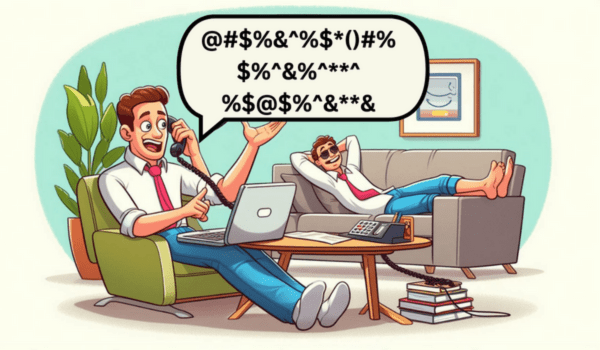
The debate around work-life balance resurfaced in Parliament as Supriya Sule, Member of Parliament from the Nationalist Congress Party (NCP), introduced the Right to Disconnect Bill in the Lok Sabha. The proposal seeks to give employees the legal right to ignore work calls, emails and messages beyond official working hours. It also extends this protection to employees on leave, allowing them complete disengagement from office communication.
Although tabled as a private member’s bill—which means it may not progress into law without government backing—the move has revived discussions about boundaries between personal life and work in an increasingly digital workplace.
The bill outlines the creation of an Employee Welfare Authority, envisioned as a body that would help embed healthier working norms across organisations. Its central goal is to ensure that companies clearly define working hours and respect employees’ personal time once those hours end. If enacted, employees would have the right to refuse after-hours communication without facing penalties or adverse consequences.
The proposal also carries a strong message for employers, urging them to prioritise staff well-being and avoid practices that blur professional and personal boundaries. The mandate would apply not just on regular days but also during holidays, reinforcing uninterrupted rest periods.
Globally, several countries, particularly in Europe, have adopted similar regulations to curb digital overreach and protect mental health. These policies were introduced after studies revealed that constant connectivity contributes to burnout, stress and declining productivity.
While the future of the bill remains uncertain, its introduction has sparked an important national conversation: In an always-online work culture, should employees have the legal right to switch off?
