



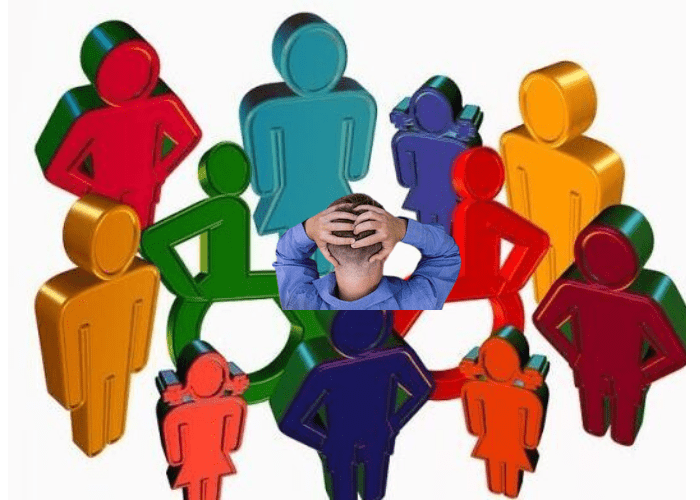
What is diversity fatigue?
Diversity fatigue refers to the exhaustion, frustration, or disengagement that occurs when employees or organisations feel overwhelmed by ongoing diversity, equity, and inclusion (DEI) efforts without meaningful progress. It emerges when diversity becomes a checkbox exercise rather than a lived value—when employees attend more diversity webinars than sales meetings, and DEI activities consume so much time they could qualify as a separate skill.
This fatigue results from continuous conversations and initiatives around diversity that feel performative, politically correct, or disconnected from genuine change. It is the realisation that diversity efforts are symbolic rather than substantive.
History
The term is believed to have been coined in the 1990s to describe stress linked to management efforts to diversify the workforce through recruiting and retention. Over the years, it has evolved to describe what people feel when they start believing that diversity efforts are driven by brand image rather than genuine commitment—a fatigue born from the gap between rhetoric and reality.
Why is it relevant for HR?
Diversity fatigue affects people, and HR is all about people. When employees, especially DEI leaders, burn out due to lack of support, or when they realise diversity efforts are merely symbolic, disengagement follows. Disengaged employees mean weak organisational culture and failure of DEI initiatives altogether.
HR drives DEI initiatives, so HR must manage the risks associated with diversity fatigue. Constantly messaging or training people on diversity without visible results does not bring real change. HR’s responsibility is to embed inclusion into everyday practices—making it a cultural shift rather than a project.
Measuring impact and communicating progress transparently earns trust. Supporting DEI champions and encouraging authentic dialogue prevents burnout. Keeping diversity fatigue at bay is critical because it can reduce morale, trust, and psychological safety.
If fatigue spreads, organisations risk losing talent, damaging their employer brand, and undermining transformation goals. HR leaders need to recognise that fatigue signals failing faith in DEI efforts. Merely sustaining programmes is insufficient—they must feel real, be truly inclusive, and deliver genuine impact.