



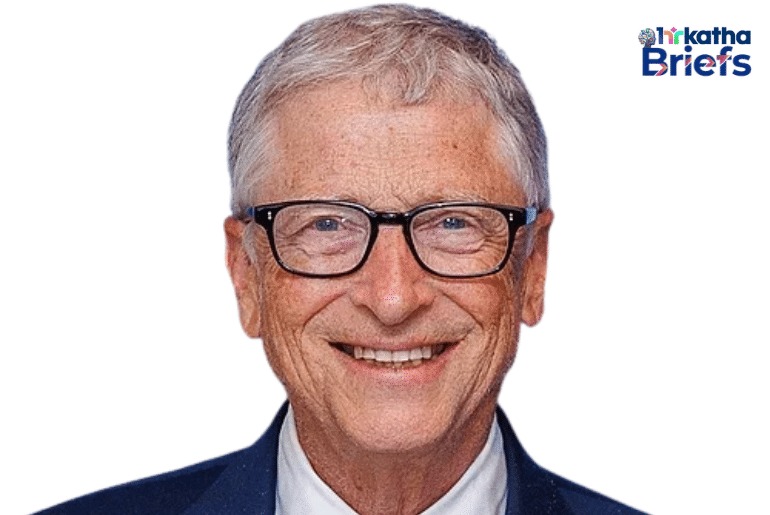
Bill Gates has cautioned that the next two decades could be one of the most disruptive periods in history as artificial intelligence (AI) spreads across industries. Speaking on the Decoder podcast and later to The Observer, he said AI will eventually create “true abundance,” but the transition will be marked by winners, losers and widespread workforce upheaval.
According to Gates, white-collar roles such as telesales, customer support, and accounting are at high risk because AI can perform these tasks faster, cheaper, and more accurately. Blue-collar jobs are not immune either, with humanoid robots expected to take on physical labour in factories and construction.
This means both digital and manual occupations could face pressure at the same time.
He stressed that commercial incentives will accelerate adoption, as employers seek productivity gains and lower costs. Already, companies such as Barclays are cutting thousands of jobs while investing in AI to improve efficiency.
Entry-level roles that traditionally helped young workers gain experience may shrink, making it harder to build careers. Governments and organisations will need to rethink education, invest in retraining, and support displaced employees. Without these measures, the benefits of AI could come at the cost of workforce stability.
Gates believes the long term outlook is positive, but the short term disruption will be severe. Human resource leaders must, therefore, balance technology adoption with strategies that protect employees, build new skills, and maintain trust during this turbulent transition.
