


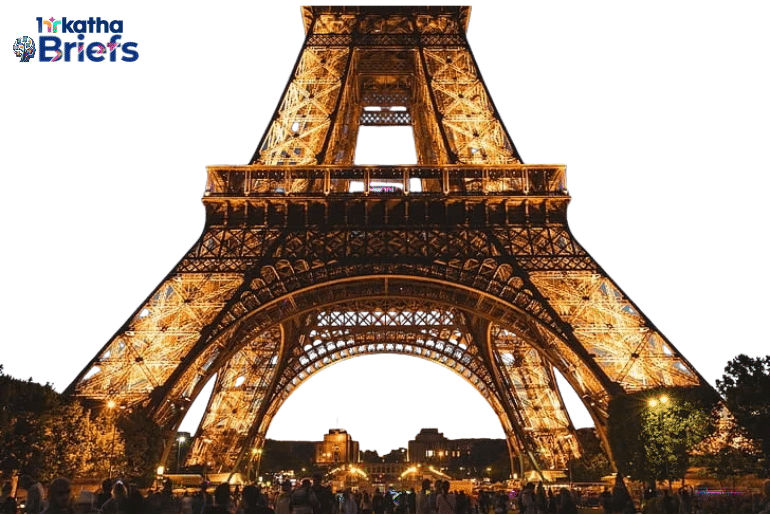
Patrick Branco Ruivo, director general of the Eiffel Tower since 2018, will leave his post at the end of this year after a controversy involving the removal of women staff during a religious group’s visit. The operating company SETE said an internal probe found serious organisational flaws that led to female employees being sidelined, which it called unacceptable.
The incident occurred on 5 September when the Bochasanwasi Akshar Purushottam Swaminarayan Sanstha (BAPS), a Hindu spiritual movement linked to India’s ruling party, visited the monument. The group had asked to limit interactions with women. SETE admitted those conditions should never have been accepted. As a result, women staff were told to leave posts, replaced by men, or instructed not to cross certain areas. Staff staged a walkout, forcing the Tower to close for a day. The move sparked political outrage in France, where secularism and gender equality are core values.
Paris mayor Emmanuel Gregoire condemned the sidelining of women as unjust and ordered two probes. He later acknowledged Branco Ruivo’s decision to resign as responsible, while praising his years of service. SETE’s chairman Ariel Weil said new measures, training, and a dedicated protocol department will be created to prevent similar incidents.
The Eiffel Tower, owned by the city of Paris, attracts nearly seven million visitors annually. The BAPS organisation apologised for any distress caused and opened its first major temple near Paris the same weekend.
The episode highlights how cultural sensitivities can clash with workplace equality standards. For staff, the incident was a clear case of discrimination, leaving many angry that women were made invisible during the visit.
