


Imagine hiring a team where everyone gets along, understands the unwritten rules and fits neatly into the existing culture. It may sound ideal, until everyone starts thinking the same way.
The same culture that helps people work smoothly together can, if overemphasised, become a filter that screens out the very people who could challenge assumptions, question the status quo and bring a fresh perspective. In a workplace constantly adapting to new technology, changing customer expectations and unfamiliar challenges, too much sameness can come at a cost.
That is why the hiring conversation is beginning to move beyond “culture fit” towards “culture add”: bringing in people who share an organisation’s non-negotiable values but do not necessarily share the same experiences, opinions or ways of thinking.
But does that mean culture fit has had its day? The distinction may lie in understanding what people need to fit into and what they should be encouraged to challenge. For HR leaders, the task is to protect the values that define an organisation without turning those values into a preference for people who look, think and behave like those already inside it.
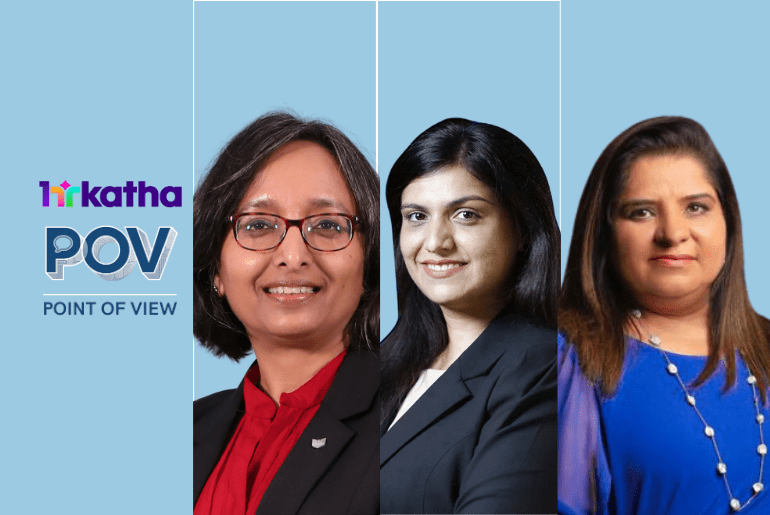
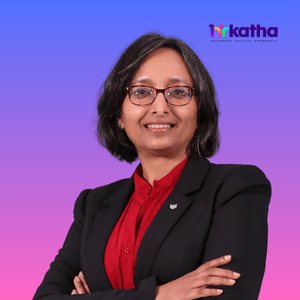
Shikha Rai, Head – HR & IT, Canon India
Both, but core values must remain non-negotiable.
A balance is required. Diverse interests, opinions and ways of looking at things are essential because they drive innovation. Organisations need people who think differently and bring different expectations. From that perspective, looking beyond traditional culture fit makes sense.,
Innovation requires agility and openness to change. But the fundamentals of culture must remain intact.
At Canon, certain principles are non-negotiable. Respect for people, for instance, is central to how we work. Punctuality matters deeply in a Japanese organisational context. Integrity is entirely non-negotiable, and there is zero tolerance for dishonesty. These are the fundamentals that cannot be compromised.
When we hire, we conduct thorough background verification and look specifically at respect for people, respect for the environment and integrity. Beyond these fundamentals, we also use psychometric assessments to bring greater rigour and objectivity to hiring decisions.
The distinction is important. Culture fit should not mean hiring people who resemble those already in the organisation. It should establish alignment on the values the organisation is unwilling to compromise. Culture add can then bring the diversity of thought needed to challenge assumptions, innovate and evolve.
Takeaway: Culture fit should protect the organisation’s core values; culture add should bring the diversity of thought needed to challenge, innovate and evolve.
Roma Bindroo, People Director – India, Sanofi Consumer Healthcare India
Culture add, because culture is never static to begin with.
It is a myth that culture does not change. Even in companies that evaluate people for culture fit, culture is constantly evolving. Culture is what you award, what you penalise and what you ignore. That is its definition.

What leaders recognise and what they let pass, what they reward and what they correct, shape culture at every level of the organisation. These things shift with every leader, every context and every change in the world around us. Culture is a living, evolving entity. It does not remain unchanged simply because an organisation wants to preserve it.
Every organisation also needs a different culture at different points in its journey. The culture required during a startup phase differs from what is needed during stabilisation. The culture of a listed company navigating governance obligations differs again from that of an organisation managing shareholders across global markets.
Organisations that adapt their cultures and build talent in line with that evolution become stronger over time. You build a culture for what needs to get done today, but it has to remain agile enough to shift towards what will be needed tomorrow.
That requires an influx of people who think differently. It also requires leaders to move beyond their own biases and create space for people with different perspectives to come in, challenge existing assumptions and make a real difference.
Takeaway: Culture is not a fixed rulebook; organisations need people who can help it evolve as the business, its challenges and the world around it change.
Deepali Bharadwaj, Regional HR Director, IHG Hotels & Resorts
Culture add, but inclusion is what makes it work.
Asking people to align with company values while also bringing fresh ideas and diverse viewpoints is fundamentally what inclusion is about. And there is an important distinction between representation and inclusion: representation tells us who is in the organisation, while inclusion tells us how people experience being there.

Culture fit and culture add are both part of an evolving cultural landscape. Culture shifts continuously as different people, experiences and perspectives enter an organisation.
But bringing those differences into the workplace is only the beginning. Diverse views, different ways of thinking and different approaches to innovation are what make a workplace genuinely dynamic. If everyone thinks alike, the organisation becomes a limited version of what it could be.
True inclusion is therefore not simply about who joins the company. It is about who thrives within it. For people to thrive, they need a psychologically safe environment where they feel comfortable speaking up, raising concerns, questioning established thinking and contributing their best ideas.
Without that safety, even the most diverse team can underperform. Culture add works only when different people are able not merely to enter the organisation, but to belong, influence it and contribute meaningfully once they are there.
Takeaway: Culture add only works when organisations create an environment where different people feel safe enough to speak, contribute and thrive.