


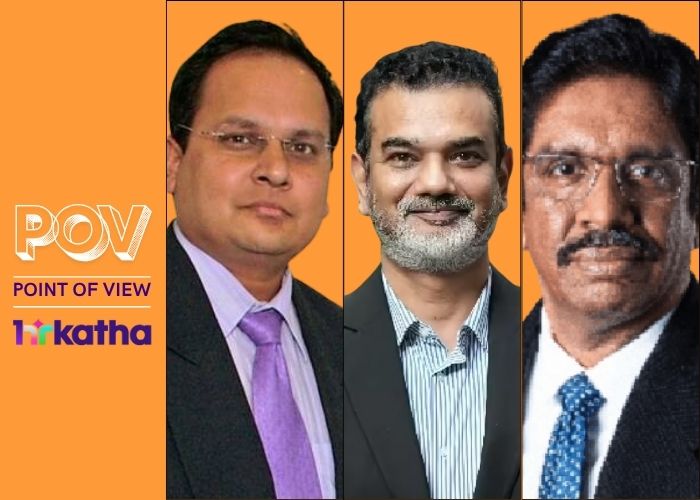
The debate between valuing technical certifications versus traditional degrees in hiring is gaining momentum. With skills becoming obsolete at unprecedented speeds and new roles emerging overnight, organisations are questioning whether a four-year degree still holds the same weight it once did—or whether focused, practical certifications offer a more accurate measure of job readiness.
HRKatha spoke with HR leaders to understand where they stand on this evolving paradigm and what it means for the future of talent acquisition.
R Venkattesh, former president, DCB Bank
I have a simple theory: where and how people excel depends largely on what they pursue with curiosity and genuine interest. Passion-driven learning and hands-on technical expertise often carry far more relevance than completing a degree as a formality.

Excellence stems from strong alignment between a person’s interests, their acquired skills and the role’s requirements. When that alignment happens, magic can happen. Traditional degrees, in my view, often serve as a checkbox for eligibility rather than a true measure of capability. Many individuals pursue degrees before fully discovering what genuinely interests them—making technical certifications, which are usually pursued by choice, a more direct and meaningful indicator of professional fit.
However, we shouldn’t discard academic qualifications entirely. There should still be minimum qualification standards to ensure a solid entry-level baseline. Throughout my career, I’ve witnessed numerous examples of non-graduates, non-MBAs and even dropouts who outperformed their formally educated peers after pursuing relevant technical certifications.
Organisations sourcing from similar talent pools could gain a strategic advantage by experimenting with certification-based hiring. It’s worth shifting the model in favour of technical certifications, but it must be tested as a pilot before scaling up.
Takeaway: Passion-driven certifications often signal stronger professional fit than formal degrees, but minimum academic standards still have a place.
Gautam Srivastava, group CHRO, The Phoenix Mills
The shift from pedigree to proficiency is already underway. In today’s dynamic job market, adaptability, applied learning and demonstrable skills often outweigh traditional academic credentials.
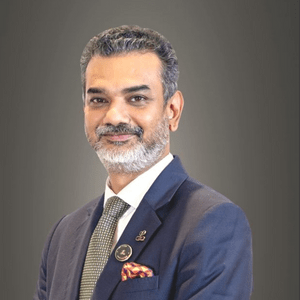
At The Phoenix Mills, our hiring philosophy now blends academic grounding with future-ready capabilities. For roles in emerging domains such as data analytics, AI and digital risk, certifications that demonstrate practical expertise carry equal—if not greater—weight than degrees.
The question we ask isn’t ‘What degree do you hold?’ but ‘What problem can you solve?’ This shift reflects a broader movement toward a skills-based talent ecosystem, where the ability to apply knowledge effectively takes precedence over formal qualifications. For organisations looking to remain competitive and agile, this mindset isn’t just progressive—it’s necessary.
Takeaway: The future of hiring prioritises problem-solving ability over pedigree, making certifications increasingly valuable in emerging domains.
Sunder Natarajan, CHRO, IndiaFirst Life Insurance
Degrees are a start, but adaptability is the future. While academic credentials provide a crucial entry point—helping professionals enter the workforce—it’s their ability to evolve, reskill and adapt that determines long-term success.
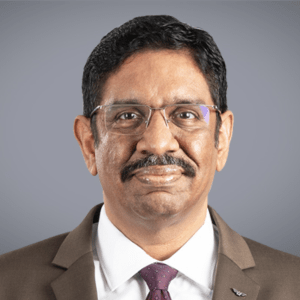
The workplace is changing faster than ever before. Credentials may open doors, but staying relevant depends on how quickly you can learn, unlearn and reapply your skills. This perspective places adaptability at the heart of employability.
For organisations, this signals an important hiring shift—one that prioritises lifelong learning and flexibility over fixed qualifications. In an era where job roles are being redefined every few years, a candidate’s willingness to evolve often matters more than their degree. Certifications, because of their practical and focused nature, better reflect an individual’s current competencies and future readiness.
This view aligns with the industry’s movement toward continuous capability-building. For both employers and employees, the real differentiator isn’t just what you know—but how swiftly you can adapt what you know to new realities.
Takeaway: Long-term employability hinges on adaptability and continuous learning, not just degrees—certifications signal current capability and future readiness.