


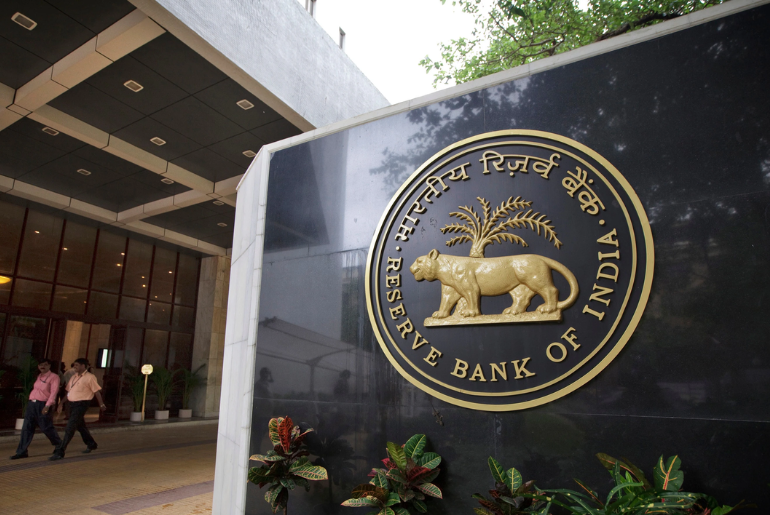
The Reserve Bank of India (RBI) recorded its first decline in workforce strength in six years during calendar year 2025, even as employee-related expenditure increased sharply, reflecting higher pension and superannuation obligations.
According to the RBI’s Annual Report 2025-26, the central bank’s employee count stood at 13,220 as of 31 December, 2025, compared to 13,520 a year earlier, representing a decline of 2.2 per cent. The drop comes after five consecutive years of workforce expansion, during which staffing levels had steadily risen from 12,276 employees in 2020 as the institution strengthened its regulatory, supervisory and technology capabilities.
The composition of the workforce also shifted during the year. Class I employees emerged as the only category to register growth, increasing to 7,517 from 7,325 in the previous year. In contrast, staffing levels in Class III and Class IV categories declined. Overall hiring activity slowed considerably, with net additions of 247 employees during 2025 compared to 604 in the previous year.
Despite the reduction in headcount, the RBI’s employee expenditure rose by 10.8 percent year-on-year to Rs 10,136.31 crore in FY26 from Rs 9,146.71 crore in FY25. The increase was primarily attributed to higher contributions towards pension and superannuation funds following revisions in retirement-related benefits.
The workforce trends come amid a period of growing responsibilities for the central bank. In recent years, the RBI has expanded its oversight of fintech companies, digital lending platforms, payment systems, non-banking financial companies and cybersecurity compliance across regulated entities. These evolving responsibilities have increased the demand for specialised talent, particularly in regulatory, risk-management and technology-focused functions.
Alongside workforce changes, the RBI continued to advance its institutional- modernisation agenda. During the year, it strengthened employee development and welfare initiatives, expanded automation across audit and risk-management functions, and implemented the Enterprise Risk Management Framework 2.0.
The central bank also laid the foundation for “Utkarsh 2029,” its medium-term strategic roadmap aimed at enhancing organisational resilience, governance standards, continuity planning and technological readiness as the financial sector becomes increasingly digital and complex.
