



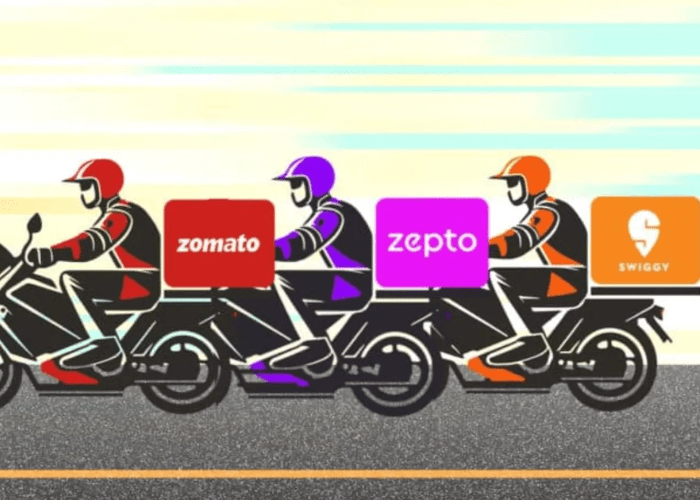
India’s fast-growing quick-commerce sector is softening one of its most defining promises. Leading grocery delivery platforms have started removing references to “10-minute delivery” from their branding as concerns over rider safety and working conditions gain regulatory attention.
The shift follows discussions between senior government officials and executives from major platforms, where the focus moved beyond growth metrics to the pressure faced by delivery partners. Authorities flagged that ultra-fast delivery messaging could indirectly encourage unsafe riding practices and heighten stress among gig workers, especially during peak hours.
In response, some platforms have already updated their public-facing communication. Promotional lines that once highlighted ultra-short delivery windows are being replaced with broader claims around product range and doorstep convenience. Others are expected to make similar changes in the days ahead. Companies have positioned the move as a voluntary step aimed at improving safety standards and creating more sustainable working environments for riders.
The recalibration comes amid rising scrutiny of quick-commerce operations. Delivery partners across cities have been voicing concerns over payouts, lack of adequate protections and the intensity created by compressed delivery timelines. Protests late last year brought these issues into sharper focus, with workers arguing that constant countdowns and rigid targets increased both physical risk and mental strain.
Until recently, industry leaders had maintained that their delivery models did not promote reckless behaviour, citing short delivery distances, controlled zones and insurance coverage. However, the latest engagement with regulators appears to have nudged the sector towards rethinking how speed is marketed to consumers.
The episode reflects a larger transition underway in India’s platform economy, where regulators are increasingly questioning growth strategies built on extreme efficiency claims. As quick commerce continues to scale, companies may now be under pressure to compete on reliability, assortment and experience rather than headline-grabbing delivery times alone.
