



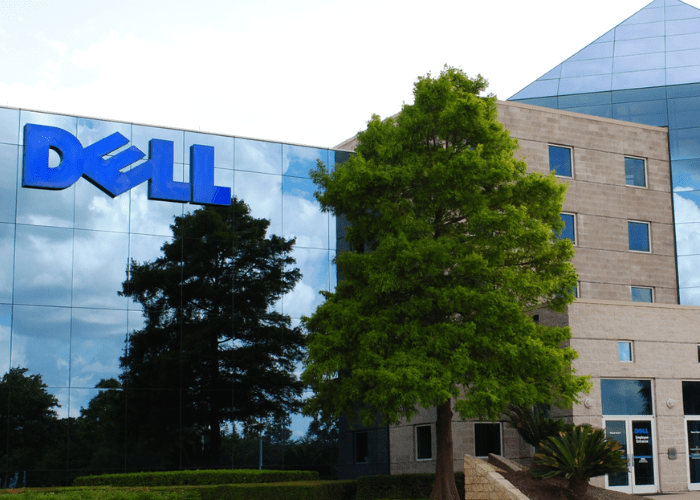
Dell Technologies has issued a fresh internal advisory asking employees to avoid business travel linked to the Middle East for the next few weeks. The guidance covers trips to, from, and even through the region, reflecting a cautious approach as geopolitical uncertainty intensifies.
Employees currently stationed in affected locations have also been encouraged to reduce non-essential movement. Wherever possible, teams are being asked to shift to remote working arrangements. The move is positioned as a preventive step to minimise potential exposure to evolving risks on the ground.

The decision signals how global corporations are becoming increasingly alert to fast-changing geopolitical conditions. Even without publicly outlining specific triggers, the timing suggests companies are responding swiftly to early signs of instability rather than waiting for situations to escalate further.
At the core of this approach is a stronger emphasis on employee safety. Organisations are expanding their risk- management frameworks to include real-time monitoring and faster internal communication. Travel advisories are now more dynamic, with the flexibility to change as situations develop.
The shift also highlights how remote work continues to play a critical role beyond the pandemic years. Virtual collaboration tools are being relied upon to ensure business continuity while limiting physical exposure in sensitive regions.
More broadly, the development reflects a larger rethink of global mobility strategies. Companies are revisiting travel policies and strengthening support systems such as crisis- response mechanisms and employee-assistance programmes. In an increasingly unpredictable environment, corporate travel decisions are no longer routine—they are becoming closely tied to risk assessment and workforce resilience.
