


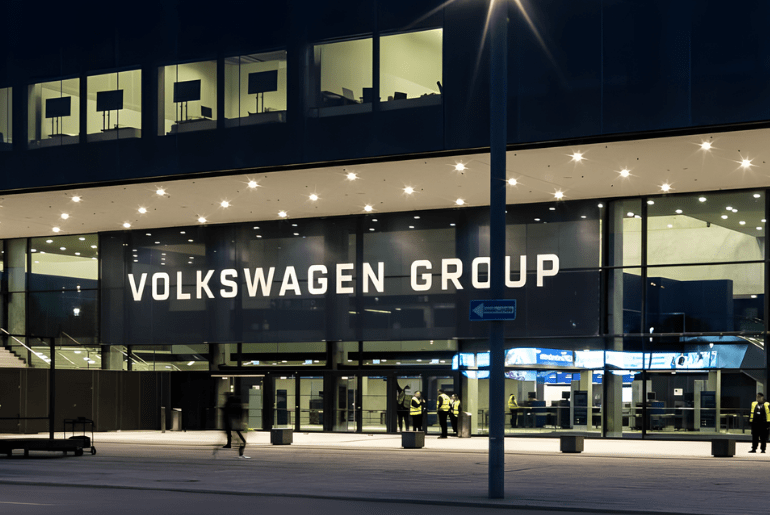
Volkswagen Group is planning to eliminate another 50,000 jobs globally as part of a major restructuring programme aimed at reducing costs and improving profitability. The latest cuts, approved under the company’s Future Plan 2030, could take the group’s total planned job reductions to nearly 1 lakh by the end of the decade.
The additional reductions will come on top of around 50,000 positions already covered by restructuring programmes across the group, which owns brands including Volkswagen, Audi, Porsche and Lamborghini.
Volkswagen has been under pressure from rising competition, particularly from Chinese electric-vehicle manufacturers, weaker demand in China and Europe, high production costs and the impact of US tariffs. The company’s workforce in Germany has already declined from about 2,75,000 employees in 2023 to 2,54,000 as of 30 June, 2026.
Volkswagen has not yet disclosed where the latest 50,000 positions will be eliminated or when the reductions will take place. The figure includes management positions and comes in addition to workforce reductions already planned at Volkswagen, Audi and Porsche.
The restructuring will also significantly reduce the complexity of Volkswagen’s product portfolio. The group plans to halve its model range and cut the number of variants and configurations by about 75 per cent by 2035. The move is expected to allow higher production volumes for individual models while reducing manufacturing costs and improving economies of scale.
The restructuring has also raised concerns over the future of four German manufacturing sites — Emden, Zwickau, Hanover and Neckarsulm.
Volkswagen has said it has not yet identified competitive vehicle-production allocations for these facilities for the 2031–34 period. However, the company has stopped short of announcing immediate closures and will instead examine alternative uses for the plants.
The restructuring extends beyond manufacturing. Volkswagen plans to simplify its management structure, speed up decision-making and reassess its businesses and investments. It also intends to reduce its portfolio of businesses and shareholdings by about one-third through sales and other realignments.
