


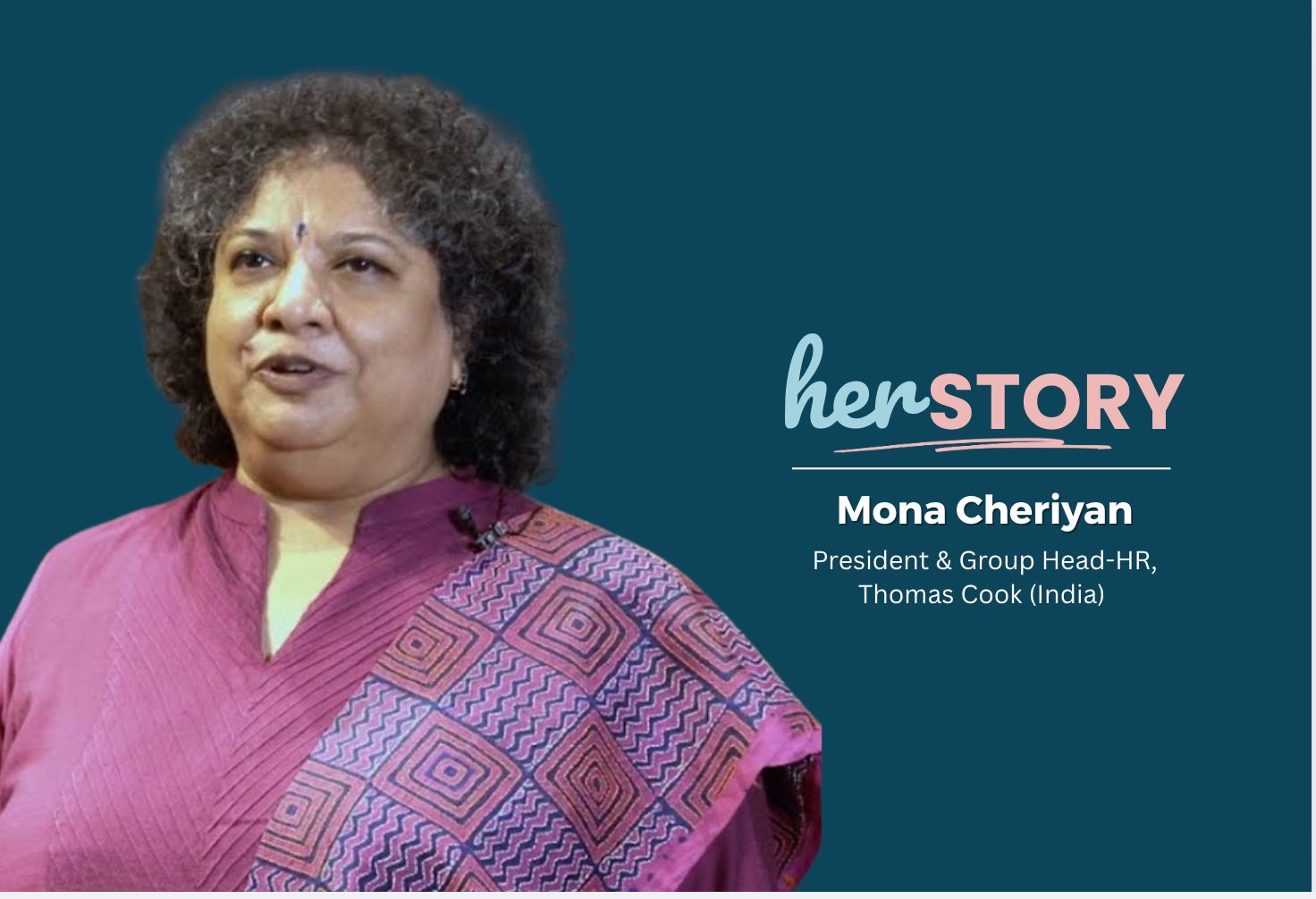
The power of presence
When Mona Cheriyan first entered human resources, she received a detailed rundown of systems, processes and policies. But she quickly learnt that HR happens in the quiet moments—a corridor chat, a listening ear, a word of encouragement.
She came in thinking HR was about policies and processes, but realised it was really about people and purpose. An employee once told her, “You’re the first person who listened without judging.” That’s when the real power of this profession dawned.
Today, as president and group head human resources at Thomas Cook (India), Cheriyan leads with a philosophy forged in those quiet moments. She recalls visiting a branch where an employee said, “We only see HR when something’s wrong.” That comment stayed with her—a reminder that HR is about presence, listening and follow-through.
“True HR is about being authentic. And authenticity requires courage: to admit when something isn’t working, to stand by people when it’s inconvenient, and to do the small, invisible things that build trust over time.”
When softness became strength
What surprised Cheriyan was how easily empathy was mistaken for softness. Early on, she was often told she was “too soft” because she spent time understanding challenges and really listening. It even led her to wonder whether she needed to be tougher to be taken seriously.
Then she realised: empathy isn’t weakness—it’s influence. When addressing underperformance in a high-potential team, she chose candid conversations and coaching over immediate escalation. Performance improved, and trust in HR grew significantly. That “softness” became her superpower.
“Empathy, when paired with clarity and courage, is far from weakness—it’s quietly powerful.”
Asked whether she’s had to choose between being liked and being respected, Cheriyan’s answer is immediate: “Yes, more times than I can count.” She learnt that being respected required courage and consistency. “Being liked is pleasant but being respected lasts longer,” she explains. “Once people respect you, many will like you anyway—because they trust your integrity.”
“Empathy, when paired with clarity and courage, is far from weakness—it’s quietly powerful.”
Culture in action
During a surprise visit to a small branch office, everything looked perfect on paper. But Cheriyan noticed something else—employees quietly helping each other, a junior team member staying late to help a colleague without being asked, managers checking in on wellbeing rather than just outputs.
No one was performing for her or for HR metrics—they were acting out of habit, care, and pride. Culture isn’t what’s written in the handbook. It’s what people do when no one is watching.
The phrase ‘strategic HR’ became real for Cheriyan the day a business head said, “Let’s finalise the structure and then we’ll call HR.” Her response: “Why don’t we design it together?” They ended up rethinking how the business was organised, not just how people were slotted into it. That’s strategic HR in practice—being a thinking partner, not a support function.
Sponsorship over mentorship
When Cheriyan started out, women in HR were seen as natural fits for “soft” roles. Over the years, she’s watched that change dramatically. Today, women lead HR for manufacturing units, global businesses, and union-heavy industries. But the next frontier is ensuring women are represented in high-influence roles, not just people-development portfolios.
“Mentorship is about guidance but sponsorship is about action,” says Cheriyan. During a talent review, she spoke up for a brilliant mid-level HR manager who had never really been “seen.” She connected her with senior leaders and encouraged her to take a challenging cross-functional project. A few years later, that manager is heading HR for one of their core businesses.
Cheriyan now makes it a point to speak women’s names in rooms where they’re not present yet, to create visibility for their work, and to nudge them towards roles that stretch their comfort zones.
Her advice to young women professionals? “Don’t wait to feel ready. Confidence rarely precedes opportunity—it follows it.” She once turned down an early leadership assignment because she thought she wasn’t prepared. Six months later, someone else took it, learnt on the job, and grew immensely.
Empathy is not weakness—it’s one of the greatest strengths a leader can have, as long as it’s balanced with courage. And stay curious about the business. The more you understand the language of growth, numbers, and customer value, the more powerful your seat at the table becomes.
“Don’t wait to feel ready. Confidence rarely precedes opportunity—it follows it.”
Quick Fire Round
One book that changed your perspective on leadership?
Drive: The Surprising Truth About What Motivates Us by Daniel H. Pink—it shifted my focus from carrot-and-stick approaches to understanding autonomy, mastery, and purpose.
Your mantra for difficult days?
“If you feel good you work good.” Prioritising my mental and emotional health helps me perform at my best.
What’s the best career advice you’ve ever received?
“Focus on building relationships, not just skills.”
One thing you wish people understood about being a woman in HR leadership?
That being a woman in HR leadership doesn’t mean I’m only focused on “women’s issues”. We bring a unique perspective that benefits the entire organisation.
Morning ritual that sets you up for success?
A cup of chai, sitting in my comfortable spot, chatting with a friend or family member, and planning my day.
1 Comment
Terrific piece on Mona Cheriyan’s brand of leadership. A strong, quiet, empathetic and warm presence, Mona can command the room. I have known Mona for many years and knows the respect and affection she gets from her teams, past and present.