



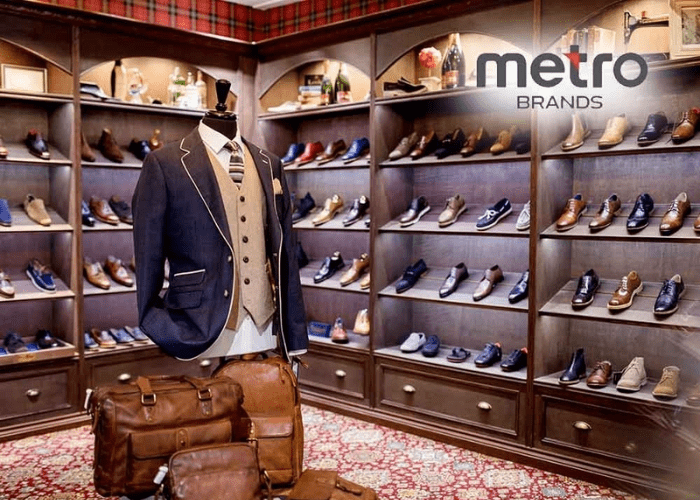
On a weekday afternoon in a Metro Shoes outlet on a busy Mumbai high street, a sales associate kneels to slip a leather brogue onto a customer’s foot. He has been on his feet since morning, will remain so until closing, and earns most of his income from what he sells that day. For Metro Brands, this routine interaction sits at the centre of an interesting model of sell more, earn more.
The company plans to open 200 to 250 stores each year, adding to a network that has already crossed 1,000 outlets across more than 200 Indian cities. The arithmetic is straightforward: more stores require more frontline staff. Metro Brands’ business team plans staffing accordingly, ensuring a mix of tenured and new employees in each store to maintain continuity and culture.
“We have the number of employees per store mapped to business volumes,” says Nandini Mehta, the company’s Chief Human Resources Officer. This clarity reflects a strong, data-driven approach to workforce planning—one where the real opportunity now lies in attracting the right talent eager to step into these roles and grow with the business.
A job few want
India’s organised footwear market is growing steadily. Metro Brands, which operates labels such as Metro Shoes, Mochi, and Walkway, reported revenues of Rs 2,636 crore in the financial year ending March 2025. Expansion looks justified. The constraint lies on the shop floor.
“In retail, scale is easy to measure in stores—but true scale is when your people grow at the same pace as your business. Our focus is not just hiring for today, but creating a pipeline that is ready for the future.”
Nandini Mehta, CHRO, Metro Brands
“Not too many people want to work in the front end,” Mehta notes. And while this has long been a reality in retail, footwear brings its own unique set of challenges. Store roles demand long hours—often nine-hour shifts. Furthermore, the environment can be fast-paced and physically taxing, particularly in compact, high-street locations where support spaces are limited.
Yet, beneath these challenges lies a deeper narrative about perception and purpose. Selling footwear is not just transactional—it is deeply service-oriented. It requires attentiveness, patience, and a willingness to engage closely with customers.
But this is also where the role holds untapped value. These frontline positions build resilience, interpersonal skills, and a strong sense of customer empathy—capabilities that are increasingly critical in a service-driven economy.
Incentives that empower performance
Metro Brands has built a performance-driven culture through its commission-led pay structure—one that directly links effort to earnings. “The more you sell, the more you earn,” says Mehta. For employees, this creates a strong sense of ownership, where individual contribution translates visibly into rewards.
For many on the shop floor, especially experienced staff, the model offers significant upside. It encourages initiative, sharpens sales acumen, and fosters an entrepreneurial mindset within the retail environment. Over time, employees learn to read customer preferences, build rapport, and maximise opportunities—skills that not only boost income but also strengthen long-term career prospects.
At the same time, Metro Brands is evolving the model to ensure that new hires are equally set up for success. Recognising that the early months are critical, the company is placing greater emphasis on structured onboarding and support, helping newcomers navigate the rhythm of store operations and build confidence in engaging with customers.
Importantly, the organisation is also investing in mentoring frameworks that encourage experienced employees to guide and uplift newer team members. By fostering a culture of coaching over competition, Metro Brands is working to ensure that knowledge, opportunities, and success are shared more equitably across the floor.
The result is a system that not only rewards performance but also promotes collaboration—turning incentives into a powerful tool for both individual growth and collective progress.
Attrition as a catalyst for reinvention
Frontline attrition at Metro Brands stands at roughly 50 per cent—a figure that mirrors the broader realities of Indian retail. Yet, rather than viewing this as a setback, the company is using it as a catalyst to continuously refine its people practices. Each hiring and training cycle becomes an opportunity to strengthen processes, sharpen onboarding, and better align expectations with on-ground realities.
Operating across ten distinct brands, each with its own format and customer segment, adds both complexity and richness to the workforce experience. In legacy stores, the integration of omnichannel capabilities has expanded the scope of frontline roles, allowing employees to engage with customers across touchpoints and build more versatile skill sets. In newer locations, the focus is on attracting individuals who are eager to be part of a growing retail story—creating fresh opportunities to shape culture from the ground up.
Building a broader funnel
To support its expansion, Metro Brands is reimagining how it attracts and nurtures talent. A key pillar of this approach is its engagement with the government’s apprenticeship programme. “We hire students for 18 months and treat them as trainees,” says Mehta. This model allows young talent to immerse themselves in the role, gain hands-on experience, and build confidence before making long-term career decisions.
The impact is promising. The company notes that apprentices often transition more successfully into full-time roles, as their familiarity with the job helps bridge expectation gaps and fosters stronger commitment.
Beyond apprenticeships, Metro Brands is expanding its reach through weekend part-time roles and collaborations with NGOs and colleges. This “multi-layered hiring ecosystem,” as Mehta describes it, reflects a forward-looking strategy—one that recognises the diversity of today’s workforce and the need for flexible entry points into retail careers.
Retention beyond pay
Efforts to retain staff extend beyond compensation. Stores celebrate festivals, and recognition programmes span annual and quarterly awards, with an instant-recognition scheme in the works.
These efforts reflect a broader commitment to making frontline roles more rewarding and meaningful. At the same time, the company continues to invest in improving working conditions and creating greater income stability during lean periods—steps that signal a thoughtful, evolving approach to employee well-being. Mehta points to ongoing efforts to improve working conditions and smooth income volatility during lean periods.
Betting on internal supply
On leadership, Metro Brands is building from within. The company recruited 18 management trainees last year and plans to add 150 this year. Combined with an internal pool of 200 to 300 potential leaders, this creates a pipeline for future expansion.
The philosophy is clear: invest early, develop consistently, and create opportunities for growth. “We train first and then assess,” says Nandini Mehta, the company’s Chief Human Resources Officer, underscoring a belief in nurturing capability before evaluating outcomes.
At the frontline level, career pathways are being formalised to enable mobility across roles. Employees starting as stock handlers, for instance, are being given structured opportunities to transition into sales, expanding both their skill sets and career prospects. This approach not only strengthens retention but also builds a more agile and empowered workforce.
Creating a connected, responsive culture
Managing culture across more than 1,000 stores is no small feat, yet Metro Brands is investing in multiple touchpoints to stay connected with its people. Leadership visits, ongoing internal communication, and quarterly town halls play a central role in this effort. These forums are designed to encourage open dialogue, with senior leadership—including the CEO—directly engaging with employee questions and perspectives.
This emphasis on accessibility and transparency helps reinforce trust and alignment, ensuring that employees across locations feel seen, heard, and connected to the organisation’s larger vision.
Preparing for the future of work
Looking ahead, Metro Brands is also turning its attention to the future. Mehta speaks of building an “AI-ready” organisation—an indication that the company is thinking proactively about how technology will shape retail and workforce dynamics in the years to come.
At the same time, there is a conscious effort to bridge generational differences within the workforce. With younger employees bringing new expectations and energy, and experienced leaders offering stability and perspective, the focus is on creating an environment where both can thrive together.
Metro Brands has put in place a multi-layered, forward-looking people strategy—spanning structured hiring channels, robust internal pipelines, and thoughtful engagement mechanisms. These initiatives position the company strongly to support its ambitious expansion plans, including opening up to 250 stores annually.
At its core, the approach reflects confidence in the evolving nature of retail careers. By investing in people, creating pathways for growth, and continuously enhancing the employee experience, Metro Brands is not just scaling its footprint—it is shaping a workforce that can grow alongside it.