


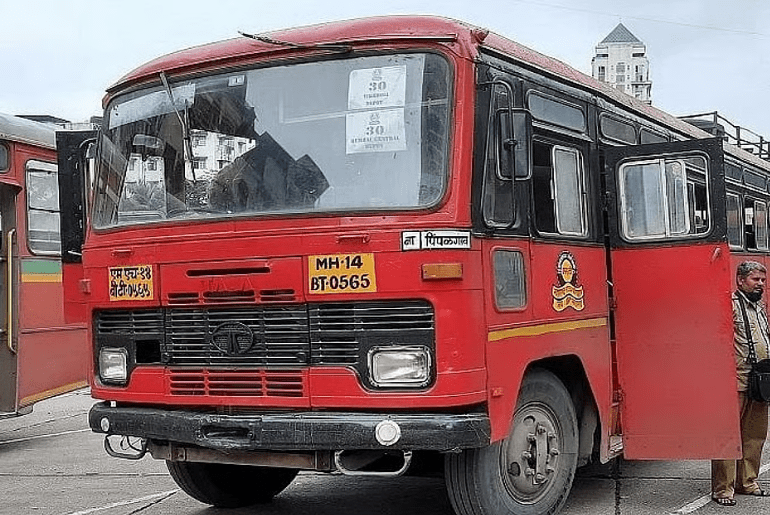
Employees of the Maharashtra State Road Transport Corporation (MSRTC) will receive a higher Dearness Allowance (DA) after the state government approved a 5 per cent increase, taking the allowance from 53 per cent to 58 per cent of basic pay.
The decision, announced by Maharashtra’s Transport Minister and MSRTC Chairman Pratap Sarnaik, brings the DA for transport corporation employees in line with that of other state government staff. The move is expected to benefit thousands of employees working across the corporation’s extensive transport network.
The DA revision comes amid ongoing discussions between the management and employee unions. While welcoming the increase, unions have also urged the government to clear pending DA arrears by the end of June.
According to officials, the enhanced allowance will result in an additional financial burden of about Rs 13.75 crore on the corporation. The government has also decided to release House Rent Allowance (HRA) arrears, a move that is expected to cost the corporation nearly Rs 100 crore.
The development is significant given MSRTC’s scale and current financial challenges. The state-run transport undertaking operates more than 15,000 buses and employs over 86,000 people, making it one of the largest public transport employers in the country. The corporation serves over 55 lakh passengers daily.
During discussions with employee representatives, the transport minister directed officials to ensure that future revisions in DA and salary are extended to MSRTC employees without delay. The government has also indicated that pending salary revision arrears will be released in phases, keeping the corporation’s financial position in mind.
At the same time, MSRTC has decided to continue its seasonal fare increase for ordinary bus services until 15 July. The 10 per cent hike, initially introduced on 15 April to boost revenue during the summer travel season, was scheduled to end in mid-June.
The extension reflects the corporation’s efforts to manage rising fuel costs, increasing employee expenses and broader financial pressures while continuing to support employee welfare measures.
