


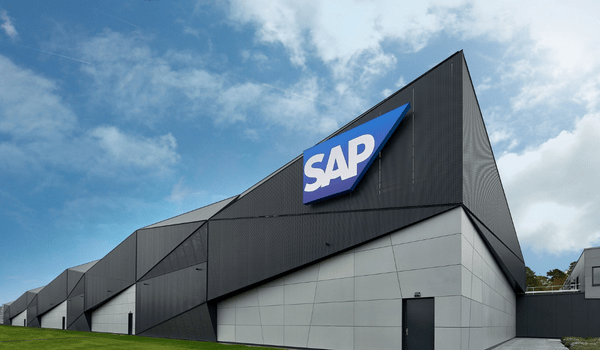
SAP is grappling with fresh internal turbulence after its revamped pay structure triggered widespread dissatisfaction. The German technology major has earmarked several million euros to address fallout linked to its newly- introduced bonus framework.
The revised compensation model, launched globally this month, was designed to tie rewards more closely to performance. However, concerns emerged when it became clear that some senior managers remained eligible for stock-based incentives despite not fully achieving their targets. In contrast, employees in junior and mid-level roles were required to outperform expectations to qualify for similar benefits.

The imbalance sparked frustration across teams. Staff questioned the fairness of a system that appeared to apply stricter standards to lower tiers while offering greater flexibility to higher-ranking leaders. The issue quickly escalated internally, adding to existing anxieties about transparency and governance.
The new structure grouped employees into five bands, ranging from T1 to T5. While the lower three categories faced tougher performance thresholds, the top two levels retained partial eligibility even when certain metrics were missed. After feedback intensified, the leadership team began reviewing aspects of the plan and initiated adjustments before finalising payouts.
The controversy unfolds during a period of broader transformation. SAP has been restructuring operations, cutting jobs, and reshaping its strategic direction to adapt to rapid advances in artificial intelligence. These changes have weighed on morale. An internal survey conducted late last year showed a notable decline in employee trust toward the executive board compared with figures recorded in 2021.
Leadership churn has further unsettled the organisation. Several senior executives have exited in recent years, reinforcing perceptions of instability at the top.
As SAP pushes ahead with its AI-driven pivot, restoring confidence in its reward systems and leadership credibility may prove critical to stabilising the workforce and sustaining long-term growth.
