



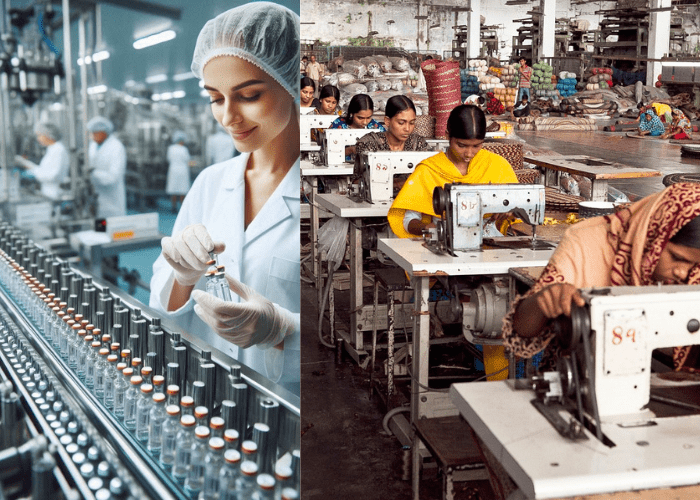
Women’s participation in India’s workforce has increased significantly over the past few years, supported by rural livelihood programmes, skill-development initiatives, and expanded social security coverage, according to official data released around International Labour Day.
Data from the Periodic Labour Force Survey shows that the female labour force participation rate rose from 23.3 per cent in 2017-18 to 40 per cent in 2025. Much of this growth has come from rural India, reflecting a gradual shift in women’s economic engagement beyond unpaid or subsistence-based work.
A major contributor has been the Deendayal Antyodaya Yojana-National Rural Livelihoods Mission, under which more than 10 crore women households have been connected through self-help groups. These groups have improved access to loans, entrepreneurship support, and market opportunities, encouraging women-led micro-enterprises across villages and small towns.
The government has also expanded efforts through the Lakhpati Didi initiative, which focuses on helping women in self-help groups increase their annual income through diversified livelihood activities and small businesses.
Women are also playing a larger role in India’s startup ecosystem. Under the Startup India programme, over 1 lakh recognised startups now have at least one woman director. These startups are part of a larger network of more than 2.2 lakh recognised ventures that have collectively generated millions of jobs.
Skill-building programmes under initiatives such as the Skill India Mission continue to target employability and workforce readiness, particularly for women entering new sectors and non-traditional roles.
At the same time, labour reforms and digital registration drives are expanding access to social protection. The e-Shram portal has registered more than 31 crore unorganised workers, helping improve welfare delivery for workers in sectors such as agriculture and construction, where women form a significant share of the workforce.
India’s social security coverage has also widened considerably over the past decade, alongside efforts to strengthen healthcare and welfare systems linked to workers and their families.
