



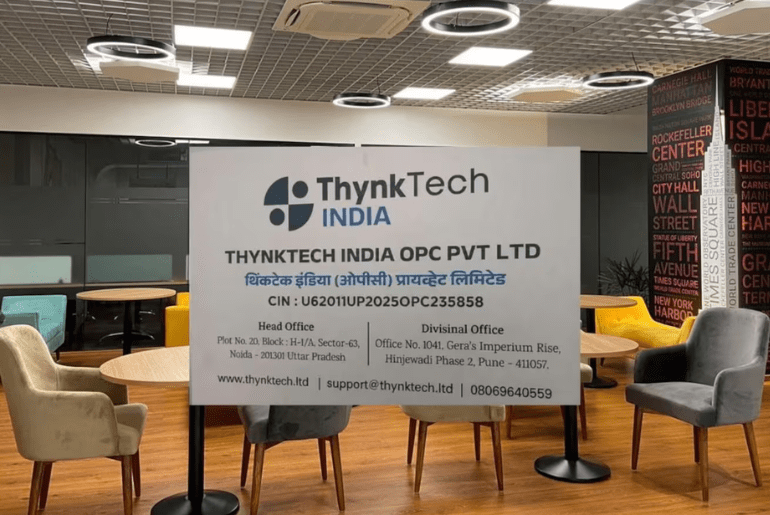
The abrupt shutdown of Thynk Technology India has left more than 700 employees, interns and fresh graduates without jobs, drawing attention to workplace governance, employee protection and recruitment practices in the startup ecosystem.
According to police officials, the company allegedly ceased operations without prior notice, leaving employees unable to access the office premises, collect pending salaries or obtain clarity regarding their employment status. Many workers reportedly discovered the closure after finding the office locked and management unavailable for communication.

The incident has resulted in legal action against the company’s leadership. Police in Pune have registered a case following complaints from employees and interns, alleging unpaid salaries, bounced cheques and financial irregularities. The company’s chief executive officer has been arrested, while its head of training and development and an HR manager have also been named in the case. The allegations are yet to be proven and remain under investigation.
Several employees claim that salary payments stopped months before the closure, despite repeated assurances from management that dues would be cleared. Former workers have alleged that delays were attributed to audits and funding-related issues, but the promised payments never materialised.
The case has also raised questions about employee onboarding practices. According to complaints, the company allegedly collected security deposits from employees and interns as part of recruitment and onboarding processes. Some workers further claim they did not receive promised equipment or stipends after joining.
The episode highlights the importance of transparent workforce communication, ethical recruitment practices and robust governance mechanisms. The sudden loss of employment for hundreds of workers underscores the risks employees face when organisations fail to maintain financial and operational transparency.
Clearly, safeguarding employee trust, ensuring compliance with labour obligations and communicating honestly during periods of business uncertainty has become the need of the hour. As investigations continue, the incident is likely to fuel broader discussions around accountability and employee protections within India’s startup and technology sectors.
