



The most effective model is a partnership—where organisations invest in a learning culture and employees take ownership of their growth. When both align, upskilling transforms from a strategy into a shared path to progress.
Upskilling is no longer a one-time effort; it’s an ongoing commitment to remain relevant and competitive. With technological changes happening overnight, job roles blurring, and industries reinventing themselves, the need for continuous learning has never been greater. But who bears the real responsibility for this upskilling? The employer who provides opportunities, or the employee who must seize them?
We reached out to HR leaders for their perspectives. While their views differ, a common thread emerges: sustainable learning is a shared journey of intent and initiative.
Sanjeeb Lahiri, chief human resources officer, GRP
Upskilling begins and ends with individual accountability. Learning is fundamentally an act of self-motivation, not delegation. Staying relevant in a dynamic workplace is primarily the employee’s responsibility. Organisations can and should create an enabling environment by offering learning opportunities, tools and exposure, but the drive to learn, evolve and apply new skills must come from within the individual.
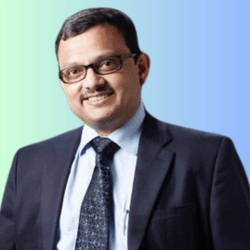
Just because someone is sent to school doesn’t guarantee they’ll pass or truly learn. The effort, discipline and curiosity to grow must originate with the learner. Employers can provide the opportunity, but if employees fail to utilise it, the benefits are lost for both the individual and the organisation.
That said, employers have a parallel responsibility—not just to provide learning but to ensure that the knowledge gained can be applied meaningfully at work. My responsibility is to enable the utilisation of knowledge. I urge everyone to learn and to utilise what they’ve learned.
Takeaway: While organisations are enablers, employees must remain the true drivers of their learning journey.
Salil Chinchore, chief human resources officer, ElasticRun
Upskilling should balance organisational needs with individual aspirations. It serves dual purposes: from an employer’s perspective, it’s about organisational survival and renewal; from an employee’s standpoint, it’s about career growth and sustained relevance.

Organisations upskill their workforce to ensure continuity, adaptability and competitiveness. With rapid technological disruptions like the rise of artificial intelligence, companies are compelled to reskill employees to stay ahead. Many organisations are investing heavily in AI-related learning programmes to help employees transition into roles requiring emerging digital capabilities.
However, the other side of the equation—employee initiative—is equally critical. Increasingly, employees are enrolling in AI or analytics courses without being prompted. They recognise that if they don’t take their careers into their own hands, obsolescence becomes inevitable.
Upskilling is a joint responsibility. While organisations focus on aligning learning with business outcomes, employees must align it with personal growth and long-term employability.
Takeaway: Upskilling is a shared responsibility—organisations and individuals must collaborate with different but complementary goals.
Amit Sharma, group chief human resources officer, Gokaldas Exports
While industries undergo massive transformation and employers invest heavily in skill development, employees must play an active and intentional role in ensuring their own growth. As industries shift their business models, employees are proactively upskilling themselves to remain relevant.
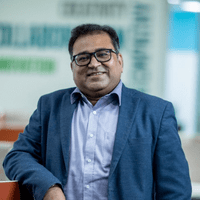
Technical skills are relatively straightforward to teach, but true transformation happens when employees work on behavioural and mindset shifts. It’s easy to inculcate technical skills, but the bigger impact comes from developing behavioural competencies. When behaviours align with evolving needs, driving organisational change becomes considerably easier.
Upskilling isn’t merely about learning new tools or systems—it’s about evolving one’s way of thinking. Employees who demonstrate curiosity, adaptability and emotional intelligence become key catalysts for organisational growth.
Takeaway: Upskilling is both a professional and personal responsibility—a continuous process of self-renewal that extends beyond what the employer provides.