



The Indian government has introduced a comprehensive overhaul of labour protections for the country’s audio-visual workforce. With the introduction of the unified regulatory framework, it aims to improve wages, safety standards and job security across film, television, digital media and allied creative professions.
The changes arise from the consolidation of 29 labour laws into four Labour Codes, a reform that is particularly significant for the audio-visual sector, which has expanded rapidly with the growth of OTT platforms, digital content creation, dubbing services and stunt-driven productions.

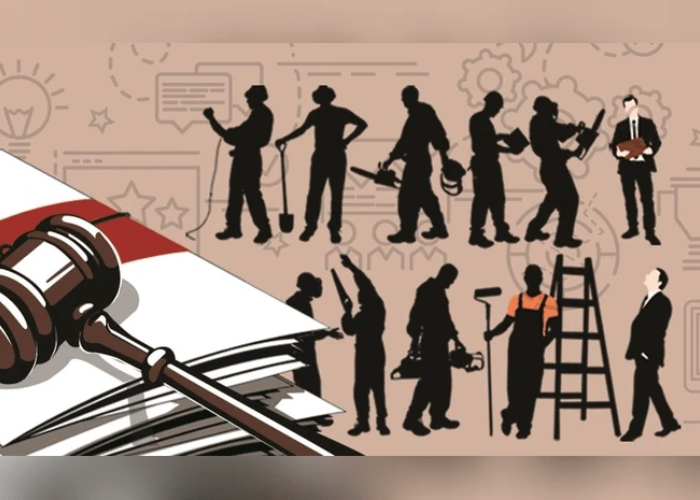
As part of the overhaul, the earlier definition of “cine workers” has been replaced with a broader classification of “audio-visual workers”. This expanded category brings a wider range of professionals—such as digital content creators, electronic media journalists, dubbing artists and stunt performers—within the scope of formal labour protections, including social security coverage, regulated working conditions and standardised safety norms.
Under the new framework, employers are required to issue formal appointment letters outlining employment terms, wages and applicable social security benefits. Wage slips must be provided in either physical or electronic form to ensure greater transparency. The time limit for filing labour-related claims has also been extended to three years, offering workers a longer window to seek legal redress.
Wage protections have been significantly strengthened. Minimum wages will now apply across all categories of employment, removing earlier restrictions that limited coverage to scheduled employments. A national floor wage, to be revised periodically, will set a baseline across states and is intended to reduce wage disparities. The codes also mandate strict timelines for wage payments, while overtime work will require employee consent and attract compensation at no less than twice the normal wage rate.
The reforms place greater accountability on producers in cases where contractors fail to clear wage dues, eliminating earlier wage-ceiling limitations and extending protection to a larger section of the workforce. Eligible workers will continue to receive annual bonuses of up to 20 per cent, subject to government-specified wage thresholds.
