



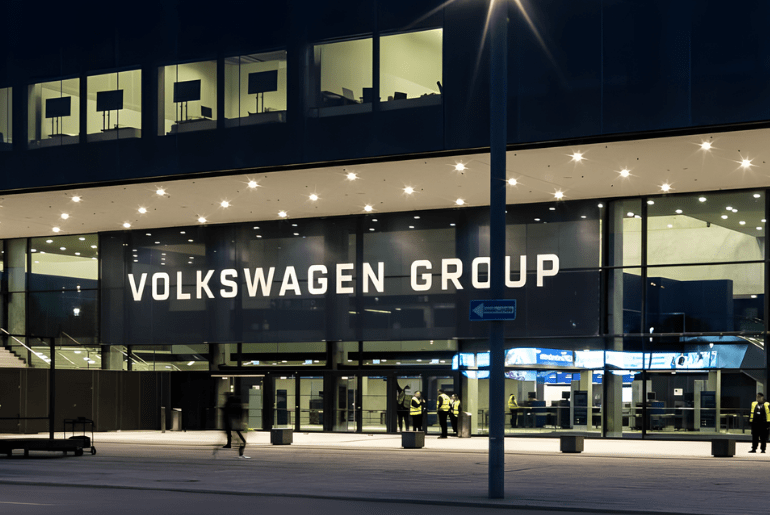
Volkswagen is moving ahead with its restructuring strategy in Germany, with thousands of jobs set to be eliminated as the automaker seeks to improve efficiency and lower operating costs amid mounting pressures facing the global automotive industry.
According to details expected to be shared by CEO Oliver Blume during the company’s Annual General Meeting on 18 June, Volkswagen plans to reduce its German workforce by around 19,000 employees by the end of this year. The measure forms part of a broader transformation programme aimed at strengthening the company’s competitiveness in an increasingly challenging market environment.

The carmaker has also committed to a longer-term target of cutting more than 28,000 jobs across Germany by 2030. The workforce reduction objective has reportedly been formalised as a binding component of the company’s restructuring roadmap.
Alongside the planned headcount reduction, Volkswagen is pursuing significant cost-saving measures at its manufacturing facilities. The company expects to achieve a reduction of over 20 per cent in factory costs across its German sites as part of its efficiency drive.
The latest update signals Volkswagen’s determination to push forward with organisational changes despite concerns around the impact on employment. Like many traditional automakers, the company is navigating a complex transition marked by slowing demand in some markets, intensifying competition and the substantial investments required to support electrification and digital transformation.
For employers worldwide, Volkswagen’s approach highlights a growing trend in which large organisations are reassessing workforce structures and operational models to remain competitive. Cost optimisation, productivity improvements and business transformation are increasingly shaping workforce decisions, particularly in industries undergoing rapid technological change.
