


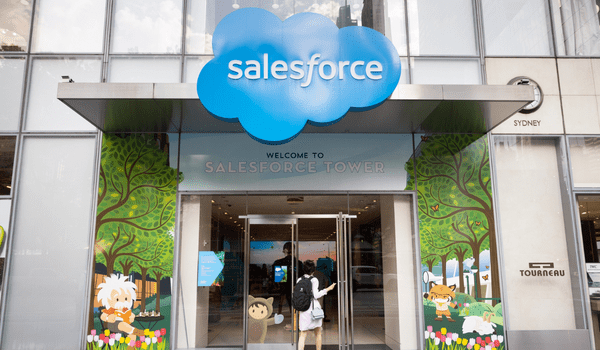
Salesforce has eliminated 4,000 jobs in its customer-support division, reducing the team from 9,000 to 5,000 employees. The cuts represent nearly 45 per cent of the company’s support workforce and reflect its growing reliance on artificial-intelligence agents, which now handle a significant share of customer interactions.
The company’s AI systems currently manage half of all customer conversations, leaving human agents responsible for the rest. This transition has allowed Salesforce to restructure its support operations and reduce staffing needs. A company spokesperson explained, “At the start of this year we deployed help.agentforce.com. Because of the benefits and efficiencies of Agentforce, we’ve seen the number of support cases we handle decline, and we no longer need to actively backfill support engineer roles. We’ve successfully redeployed hundreds of employees into other areas like professional services, sales, and customer success.”
Artificial intelligence is being deployed to tackle long-standing challenges in sales. Salesforce revealed it had accumulated more than 100 million unaddressed sales leads over the past 26 years due to limited human capacity. With AI-driven sales agents now in place, the company is systematically reaching out to every contact. A system known as the “omnichannel supervisor” coordinates between AI and human employees, ensuring that complex tasks are seamlessly transferred to people when needed.
The cuts, however, highlight a stark change in the stance of Salesforce’s leadership. Just two months ago, Marc Benioff, CEO, had downplayed fears of mass unemployment linked to AI. In interviews, he had argued that human involvement remained essential, given AI’s accuracy challenges. At the time, he had said the technology would complement, not replace, workers.
As of January 2025, Salesforce employed more than 76,000 people worldwide. The recent reduction in support roles amounts to about five per cent of its total workforce, marking one of the most significant reorganisations at the company in recent years.
