


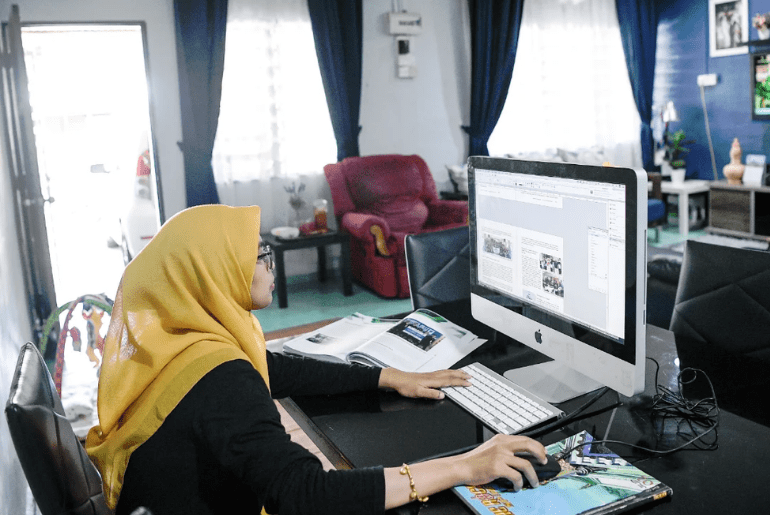
Malaysia will introduce a new hybrid work policy for its public sector from August 1, 2026, allowing eligible civil servants to work remotely for up to two days a week. The move marks a significant step in the country’s efforts to modernise public service operations while offering greater workplace flexibility.
The decision was approved by the Cabinet on June 26, making the Hybrid Working Day (HBH) arrangement a permanent feature of the public service. Under the new framework, employees who meet the eligibility criteria may work from home or another location approved by their department head for two days each week. They will continue to report to the office for the remaining three days, depending on operational requirements and the nature of their roles.
The government has also specified mandatory office attendance days based on state-specific weekend schedules. In states where Sunday is the weekly holiday, civil servants will be required to work from the office on Mondays and Fridays. Meanwhile, employees in Kedah, Kelantan and Terengganu, where Friday is the weekly holiday, must attend the office on Sundays and Thursdays.
The Public Service Department has clarified that the hybrid arrangement will not affect the delivery of essential public services. Employees in sectors requiring physical presence, including healthcare, education, security, defence, courts and public-facing counter services, will continue to operate under existing work arrangements to ensure uninterrupted service delivery.
The government said the new policy is part of a broader initiative to build a more agile and results-driven public service by leveraging digital technology and flexible work practices. A monitoring mechanism will be introduced to track productivity, service quality and compliance under the new model.
The HBH framework will replace the temporary work-from-home measures introduced during the Middle East conflict. The Public Service Department is expected to issue detailed implementation guidelines and eligibility criteria before the policy comes into effect.
