


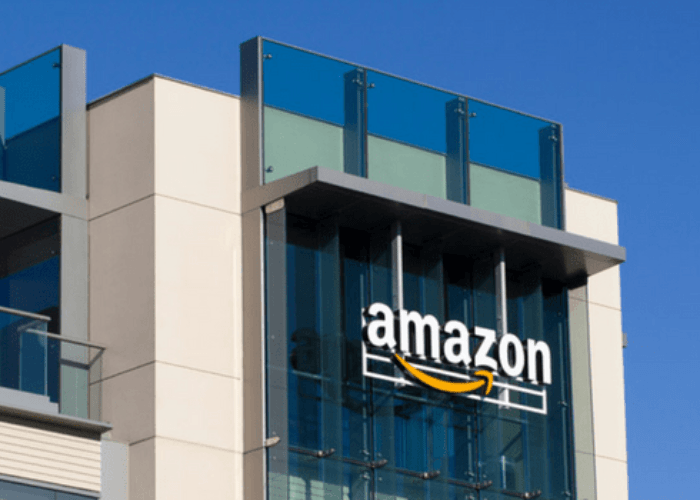
Amazon has reduced headcount within its robotics division, affecting at least 100 corporate roles tied to the team responsible for developing automation systems used in its global warehouse network.
The job cuts primarily impacted white-collar employees within the unit that designs, builds and manages robotic technologies used in fulfilment centres. In an internal communication to employees, a senior robotics executive described the decision as a difficult step but necessary as the company continues to streamline operations. The company reiterated that robotics and automation remain a core strategic focus for the business.
An Amazon spokesperson confirmed that a relatively small number of roles were eliminated. The company said employees affected by the move would receive severance packages, continued health benefits for a limited period and support in finding new roles.
The layoffs are part of a broader restructuring effort that began after the pandemic, when rapid hiring significantly expanded Amazon’s corporate workforce. Since late 2022, the company has eliminated more than 57,000 corporate positions as leadership works to simplify organisational structures and reduce layers of management under CEO Andy Jassy.
Amazon’s robotics division has played a central role in the company’s logistics operations since its acquisition of Kiva Systems in 2012. The technology has steadily expanded across fulfilment centres, with the company crossing the milestone of deploying more than one million robots across its logistics network last year.
The latest workforce changes also come after a shift in strategy within the robotics team. A recently- developed warehouse robot system called Blue Jay was shelved earlier this year after facing challenges related to costs, manufacturing complexity and deployment in real-world operations. Teams previously working on that system have been reassigned to other robotics initiatives.
Amazon is now focusing on more modular automation platforms designed for smaller warehouses and flexible fulfilment setups, as the company continues to evolve its logistics technology infrastructure.
