



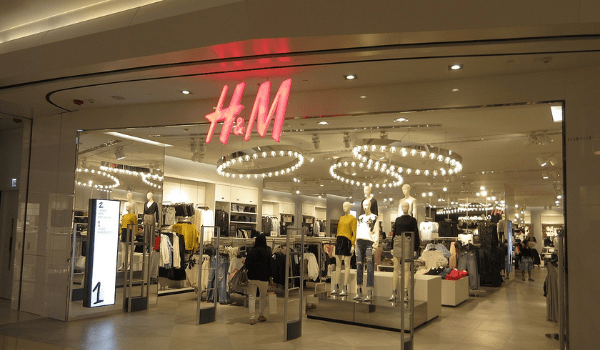
Global fashion retailer H&M is relocating its Southeast Asia regional headquarters from Singapore to Kuala Lumpur as part of a wider overhaul of its Asia Pacific operating structure. The move is expected to impact a significant portion of its regional support workforce and reflects the company’s broader efforts to streamline operations and adapt to changing business requirements.
The restructuring could affect nearly 30 per cent of the regional support workforce. Reports indicate that around 78 positions may be eliminated from the former East Asia regional structure, which currently has a headcount of 256 employees. A large share of the impacted roles is expected to be based in Singapore.

The restructuring forms part of a larger transformation of H&M’s commercial model across the Asia Pacific region. Under the revised framework, the company is moving away from its earlier regional setup and introducing a continent-based structure. A newly-created Asia Pacific division will be headquartered in Shanghai and will oversee five key sales markets across the region.
As part of the new arrangement, Kuala Lumpur will become the hub for the Southeast Asia sales market, while Tokyo will lead the Northeast Asia market. Other regional centres will include Bengaluru for India, Sydney for Australia and New Zealand, and Shanghai for Greater China operations.
Despite the changes, H&M indicated that Singapore will continue to remain an important market for the company. It plans to maintain its office presence and retail operations there, signalling a long-term commitment to the market.
Employees are expected to undergo an internal evaluation and role-matching process before the revised structure takes effect. Staff members have reportedly been asked to identify preferred roles, after which assessments and interviews will determine placements within the reorganised structure.
The new operating model and employee relocations are expected to be implemented by July 2026. Employees whose roles are discontinued and cannot be reassigned may be offered mutual separation arrangements. Meanwhile, store-level operations and retail teams are expected to remain unaffected by the restructuring exercise.
