



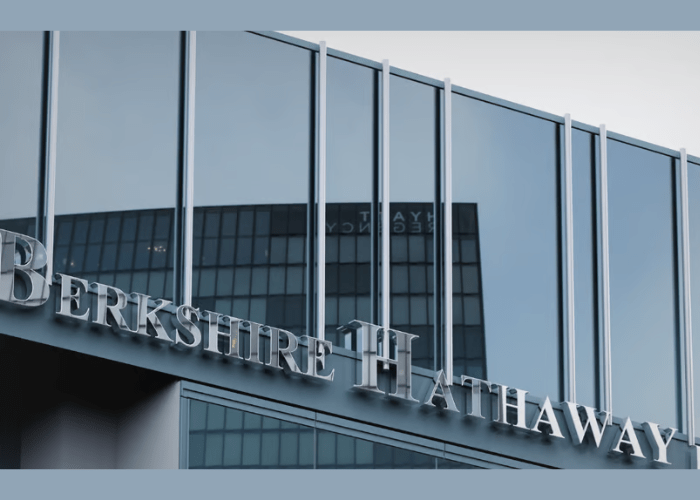
Shareholders of Berkshire Hathaway have voted down a proposal seeking greater transparency on how the company manages its vast workforce. The decision was made at the company’s annual meeting, where investors largely sided with the board’s recommendations.
The rejected proposal called for a detailed report on oversight of employees across Berkshire’s sprawling operations. The conglomerate employs more than 3,87,000 people through nearly 200 businesses. The proposal argued that its highly decentralised model leads to uneven practices in managing talent and workplace standards across subsidiaries.

Concerns cited in the proposal included safety and training issues raised by pilots at NetJets, as well as a major 2021 fire at a chemicals facility operated by Lubrizol. The incident resulted in significant property damage and drew attention to operational risks within the group’s diverse businesses.
Berkshire pushed back against the need for such a report. The company maintained that decentralisation is central to its identity and success. It said individual subsidiaries are better placed to make decisions on workforce management, given their specific operational contexts.
In other key votes, shareholders approved the company’s executive compensation structure. They also endorsed continuing with a “say on pay” vote every three years. This gives investors a periodic, though non-binding, voice on how top executives are paid.
All 13 board members were re-elected, including Chairman Warren Buffett and Chief Executive Greg Abel.
The outcome signals strong investor confidence in Berkshire’s current leadership and governance approach, even as questions around workforce oversight continue to surface.
