


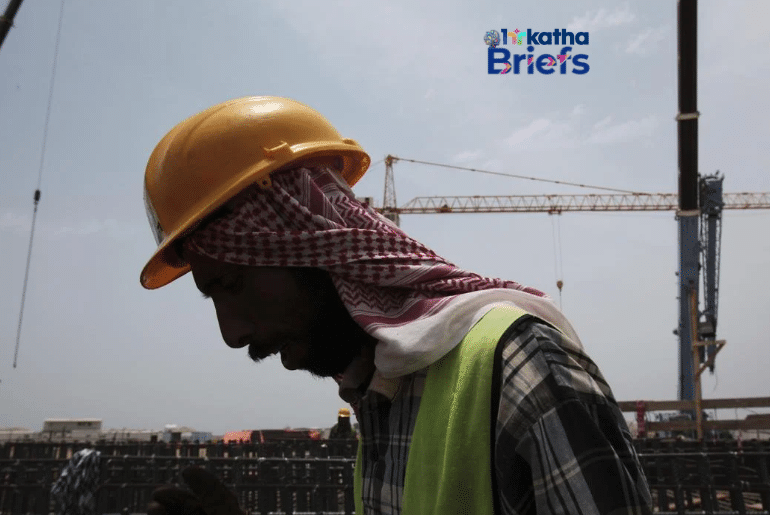
Workers across several industries in Iran are facing mounting financial and employment pressures, with delayed salaries, reduced benefits and growing uncertainty over job continuity reported across the automotive, energy, pharmaceutical and aviation sectors.
Some workers have reportedly gone weeks or even months without receiving their full wages. In several workplaces, overdue salaries are being paid in instalments, while employees raising concerns over delayed payments or missing benefits have faced warnings of dismissal or pressure to resign.
The situation has also affected overtime payments, meal allowances and other workplace benefits, with some workers reporting that benefits have been reduced or discontinued. In some workplaces, insurance contributions have also reportedly been delayed, adding to concerns over employee financial security.
The pressure is particularly significant as inflation and the falling value of the rial continue to erode purchasing power. For some workers, taking on additional employment has become necessary to meet household expenses as regular salaries fail to keep pace with rising living costs.
Employment stability is also emerging as a concern. Workers at some workplaces have reportedly faced dismissal warnings after raising concerns about unpaid or delayed wages. Elsewhere, workforce reductions and temporary stoppages have added to uncertainty over job continuity.
The impact is being felt beyond individual workplaces, with reports of factories shutting down in some industrial areas and jobseekers struggling to find alternative employment despite repeated applications.
The combination of delayed wages, reduced benefits and fewer employment opportunities is leaving workers exposed to both immediate financial strain and longer-term uncertainty. For employees already dealing with declining purchasing power, irregular salary payments are further increasing the pressure to seek additional income while raising concerns about the stability of their primary jobs.
