


In asset-heavy organisations, talent strategies fail not because assets age—but because people systems do. Workforces span corporate offices and construction sites, legacy expertise and digital disruption, seasoned leaders and first-time managers. While physical assets endure for decades, skills, expectations and career aspirations now change in years—sometimes months. Against this backdrop, people strategy can no longer be static or centralised.
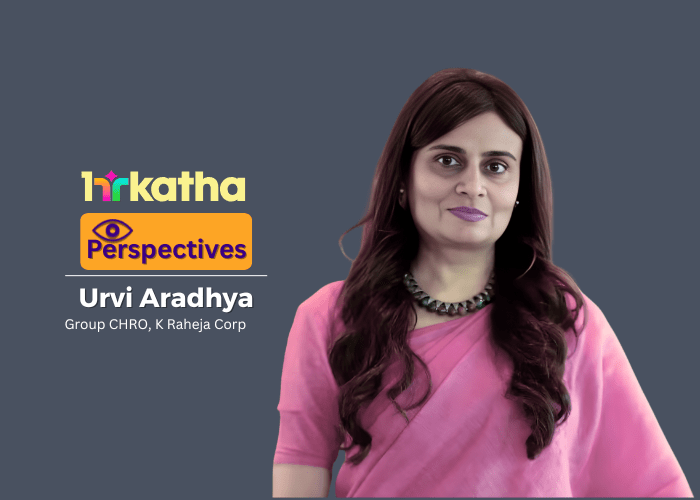
Urvi Aradhya, group CHRO at K Raheja Corp, navigates these complexities daily. In conversation, she articulates why the organisation has shifted from role-fit to capability-fit hiring, why strong performers leave when momentum fades rather than for money alone, and why the most persistent barrier to leadership diversity is unconscious comfort—the instinct to back potential that looks familiar.
Capability-fit over role-fit
Are you hiring for skills that exist today or capabilities to learn what doesn’t exist yet? What does future-ready talent mean at K Raheja Corp?
At K Raheja Corp, we recognise that the half-life of skills is shrinking, so our talent acquisition lens has shifted from role-fit to capability-fit. We’ve moved beyond hiring against static job descriptions to identifying talent with learning agility, adaptability and problem-solving ability—because these capabilities stay relevant as technology, business models and customer expectations evolve.
This shift is reinforced by how we design access and talent pipelines. Initiatives focused on women talent and professionals returning after career breaks help widen and strengthen our talent pool, while reinforcing equity and career continuity.
Importantly, this philosophy doesn’t stop at hiring. We embed continuous capability-building through I-Grow, enabling self-directed learning across digital, functional and behavioural skills. Our belief is simple: talent acquisition and talent development are inseparable. Future-ready workforces are built by hiring for potential and investing consistently in growth.
“Enterprise impact is built through connection, not authority”
Retention is the new recruitment
Beyond compensation, what are the non-obvious reasons great people leave? What patterns don’t show up in exit interviews?
Strong performers rarely leave for money alone. They leave when momentum fades—when growth plateaus, roles feel ambiguous, feedback disappears, or their impact becomes invisible. In many cases, the decision is made quietly months earlier, when the connection to purpose weakens and work starts to feel transactional.
At K Raheja Corp, we treat retention as a leadership metric, not an HR afterthought—because today, retention is the new recruitment. Our response is to make three things unmissable: a clear future, meaningful conversations and real-time listening. This translates into sharper career pathways, differentiated growth tracks, regular feedback rhythms, and managers being accountable for development, not just delivery.
Systemically, we’ve strengthened trust through enterprise-wide grievance mechanisms and an AI-powered listening layer that captures sentiment in real time. These systems help us catch friction early and act before disengagement turns into exits.
The intent is simple: catch friction early, act faster, and keep high performers connected to growth and purpose—so they don’t have to leave to find their next chapter.
“Psychological safety compounds when leaders listen without defensiveness”
Unconscious comfort as barrier
What’s the one systemic barrier to diversity in your organisation that you’re actively trying to dismantle?
One of the most persistent barriers to leadership diversity is unconscious comfort—the instinct to back potential that looks familiar. When readiness is judged through inherited templates, diversity is constrained not by capability, but by narrow definitions of what “ready” looks like.
The toughest shift is translating intent into everyday decisions. At K Raheja Corp, we are addressing this by redesigning the system around how diverse talent experiences work, growth and visibility. Leadership potential isn’t assessed only at promotion—it’s developed much earlier.
Programmes such as SHEROES, PowHER and Anchal work together to build early capability, visibility and career continuity through maternity and re-entry, ensuring life-stage transitions don’t remove women from succession conversations.
Together, these mechanisms shift diversity from an individual resilience test to an organisational responsibility, requiring managers to recognise potential that doesn’t mirror their own trajectories—and to be accountable for who progresses, not just who performs.
“Leadership diversity fails when readiness is defined too narrowly”
Structured avenues for upward voice
How do you build cultures where junior employees can challenge senior leaders without it being seen as disrespectful?
At K Raheja Corp, we don’t rely on informal openness alone. We create structured avenues for upward voice through regular check-ins, cross-level forums and manager-led conversations. Structured mechanisms such as reverse mentoring and leadership development frameworks help normalise upward feedback, reduce hierarchy and build leaders who invite challenge rather than resist it. Ultimately, psychological safety is built through behaviour. When leaders listen without defensiveness and act on input, trust compounds. In a multigenerational workplace, these structures bridge communication gaps and allow hierarchy and wellbeing to coexist.
“Retention is the new recruitment”
Enterprise-first leaders who listen deeply
If someone entering HR today wants to be a CHRO in 15 years, what should they be learning that isn’t in traditional HR curriculums?
As HR shifts from administration to enterprise leadership, the next generation of CHROs must blend people strategy with business thinking, technological fluency and cultural intelligence—because the real work is building organisations that stay resilient through constant change.
They must also lead a truly multigenerational workforce. With Gen Z to baby boomers working together, the challenge lies in balancing a shared culture with different expectations around purpose, flexibility, growth and ways of working. This demands empathy, inclusive policy design and adaptive leadership, supported by strong 360-degree feedback that enables real-time self-awareness and course correction.
Finally, AI and people analytics make tech fluency non-negotiable—not as technologists, but as strategic orchestrators who use data to anticipate skills shifts, make smarter talent decisions and ensure human judgement remains central.
In short, future CHROs must be enterprise-first leaders who can listen deeply and act decisively.
“Talent acquisition and talent development are inseparable”
Impact travels sideways first
What’s one unwritten rule at K Raheja Corp that you wish more people understood earlier in their careers?
One unwritten rule of career growth is this: impact travels sideways before it travels up. Individuals who build credibility across teams, contribute beyond their role and demonstrate enterprise thinking get noticed early and accelerate faster than those who wait for formal authority.
What often goes unsaid is that influence is rooted as much in connection and curiosity as in competence. At K Raheja Corp, this shows up in how we cultivate inclusive collaboration and early visibility. Beyond day-to-day delivery, cross-functional platforms for learning, visibility and leadership exposure help talent build enterprise credibility well before formal authority arrives. Together, these platforms help talent navigate organisational currents, build relationships beyond their immediate teams and demonstrate enterprise impact early—which is the real accelerator of growth in a complex organisation.