



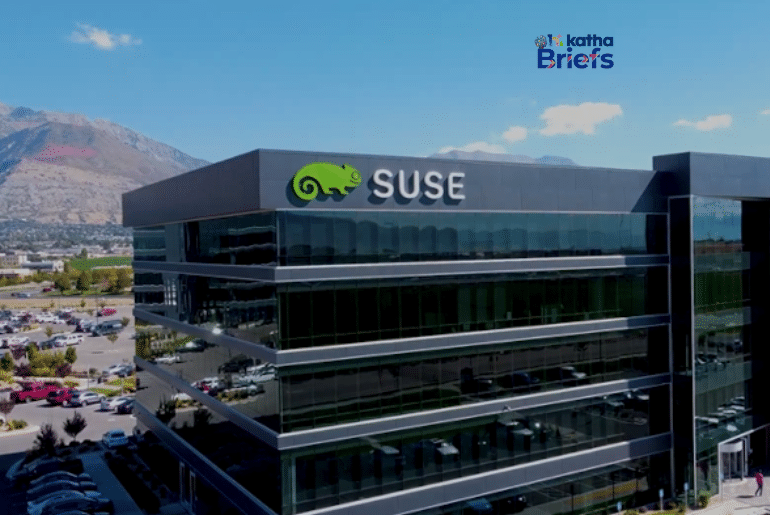
Open-source software company, SUSE is reducing its global workforce by approximately 10 per cent, with artificial intelligence (AI) and automation emerging as key factors behind the restructuring. The move is expected to affect around 190 employees, based on the company’s estimated workforce of 1,900.
The job cuts were announced by CEO Dirk-Peter van Leeuwen in an internal communication on Monday, 2 November, 2026. According to _The Register_, the leadership has attributed the decision to changes in how software companies operate, with automation enabling teams to take on larger workloads with fewer employees.
The restructuring is expected to involve a reassessment of roles and organisational priorities. While SUSE has not disclosed which functions or geographical locations will be affected, the company has indicated that some existing roles have become less relevant as technology and operating models evolve. Other positions are expected to change over the coming years.
The company is also redirecting investments towards areas it considers critical to its future growth, while scaling back activities in lower-priority areas. Employees are reportedly due to receive individual notifications by 4 November, followed by consultations with employee representatives. One-to-one meetings are expected to begin early next week, while the remaining workforce is scheduled to receive an update on the company’s fiscal year 2027 strategy on 16 November.
The latest reduction follows a voluntary exit programme offered to long-serving employees in September. However, the offer reportedly did not attract sufficient participation, prompting SUSE to proceed with involuntary redundancies.
Founded in Germany in 1992, SUSE develops Linux-based operating systems and cloud solutions for enterprise customers. The company has operations across several countries, including India, although the geographical distribution of the latest job cuts has not been disclosed.
SUSE’s decision highlights a growing challenge for technology employees as AI adoption moves beyond experimentation and begins influencing organisational structures. For companies, the shift involves deciding which capabilities require greater investment and which roles may no longer fit their evolving operating models.
