



The startup dream typically begins with a compelling vision: disrupt established industries, challenge corporate giants, and build something revolutionary from scratch. Employees join these ventures not just for salary but for the promise of being part of something transformative, working alongside founders whose passion and commitment seem unshakeable. Yet increasingly, that dream is ending with a harsh awakening: the very leaders who inspired them to take risks are walking away to join the tech giants they once sought to challenge.
This phenomenon, known as reverse-acquihiring, represents a fundamental shift in how large technology companies compete with startups. Rather than acquiring entire companies for their products or customer bases, tech giants are systematically poaching founding teams and senior leadership, leaving behind demoralised employees and hollow organisations. The practice offers convenient shortcuts for established players whilst providing lucrative exit routes for entrepreneurs, but it comes at a devastating cost to the workers left behind and the broader innovation ecosystem.
The mechanics are straightforward yet ruthless. Big Tech companies identify promising startups, establish contact with key personnel, and then make offers that struggling founders find difficult to refuse—substantial salary increases, stock options, and the promise of working on cutting-edge projects with virtually unlimited resources. For founders facing uncertain funding prospects and mounting pressure, such offers can seem like salvation rather than betrayal.
Yet for employees who joined these startups believing in long-term visions, the sudden departure of leadership creates profound professional and personal disruption. They find themselves stranded in companies stripped of their intellectual compass, wondering whether their career choices were fundamentally misguided.
The talent trap
Shaleen Manik, CHRO, Transsion India, describes how Big Tech companies view startups as convenient talent farms. “Rather than building the team from scratch, it’s a very easy win for them,” he explains. “They save money, they avoid the effort of nurturing talent pipelines, and they pick up people who have already proven themselves in startup ecosystems.”
“Rather than building the team from scratch, it’s a very easy win for them. They save money, they avoid the effort of nurturing talent pipelines, and they pick up people who have already proven themselves in startup ecosystems.”
Shaleen Manik, CHRO, Transsion India
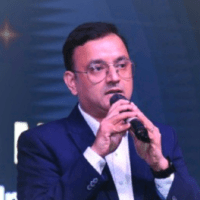
The strategy proves particularly effective because it targets the most crucial element of any startup: its founding vision and leadership capability. Unlike traditional acquisitions that might preserve company culture and employee continuity, reverse-acquihires deliberately extract the core leadership, leaving the remaining organisation fundamentally weakened.
Manik suggests the practice often serves a darker strategic purpose beyond simple talent acquisition. “Sometimes it is intentional on the part of the big organisation. It wants to really kill competition. Therefore, it picks up the founders, offers them high salaries, and makes the startup hollow.”
The impact on employees becomes apparent quickly. Consider the case Manik highlights: when Varun Mohan, CEO of Vint Cerf, was absorbed by Google DeepMind, his AI startup effectively lost its independence and direction. For Google, the move was strategically sensible—why risk allowing a potential competitor to develop when you can absorb its leadership early? For the remaining employees, however, the situation proved devastating: they found themselves working for a company that had lost both its visionary leadership and its clear sense of purpose.
This pattern repeats across the technology sector with increasing frequency, creating a climate of uncertainty that extends far beyond individual companies.
The human cost
The true tragedy of reverse-acquihires lies not in corporate strategy but in human consequences. Employees who join startups typically sacrifice higher salaries and job security for the opportunity to work on innovative projects with passionate leaders. They accept equity packages that may prove worthless, longer hours, and uncertain career prospects because they believe in the company’s mission and leadership.
“Most of them come with very innovative ideas. At least the ones which are futuristic. They want to see their services, products or platforms flourish. But the reality is that the success rate of startups is very, very low—maybe one in a couple of hundreds.”
Tanaya Mishra, G-CHRO, InSolutions Global
When founders abandon ship, these employees face multiple losses simultaneously. Their equity becomes effectively worthless, their career development stalls without visionary leadership to guide company growth, and their professional networks—often built around the founding team—disappear overnight. Most painfully, they discover that their faith in the startup’s mission was misplaced, as leaders they trusted prioritise personal advancement over collective success.
Manik observes how this dynamic has begun affecting recruitment across the startup ecosystem. “Earlier people used to quickly start because it was all about the money. But now, people are cautious about joining startups. They know that after seven or eight months, the entire top brass may leave, and then what will you do? You’re in a hollow shell.”
This growing scepticism threatens the entire startup model, which depends on attracting talented individuals willing to accept risk in exchange for potential rewards. When employees lose confidence that founders will remain committed to their ventures, the talent pool available to genuine innovators shrinks significantly.
The psychological impact proves equally damaging. Employees who experience sudden leadership departures often struggle with feelings of professional abandonment and questioning their own judgement in career choices. The collaborative, mission-driven culture that initially attracted them to startups gives way to uncertainty and cynicism about entrepreneurial ventures generally.
Founder motivations and pressures
The situation becomes more complex when considering founder perspectives. Tanaya Mishra, G-CHRO, InSolutions Global , acknowledges the brutal realities facing startup leadership. “Most of them come with very innovative ideas. At least the ones which are futuristic. They want to see their services, products or platforms flourish. But the reality is that the success rate of startups is very, very low—maybe one in a couple of hundreds.”
Founders face relentless financial pressure, uncertain funding prospects, and personal responsibility for employee livelihoods. When Big Tech companies offer stability, substantial resources, and the promise of working on globally impactful projects, the temptation becomes enormous. Many founders are themselves young professionals with mortgages, families, and career aspirations that extend beyond their current ventures.
However, Mishra distinguishes between founders who exhaust genuine efforts to build sustainable companies before accepting acquisition offers and those who seem to view startups merely as stepping stones to lucrative corporate positions. “Sometimes it is very difficult for a startup to fund its great ambition. That’s when promoters or founders make enough money and sell, and then they do something else. Many go on to build serial startups.”
The distinction matters because it affects employee trust and ecosystem health. Workers can understand and even support founders who genuinely struggle to maintain independent operations, but they feel betrayed when leaders appear to have planned exit strategies from the beginning.
Protecting against exploitation
Some startups have begun implementing measures to reduce vulnerability to reverse-acquihires, though these protections remain relatively uncommon. Mishra suggests several approaches that can help align founder and employee interests more effectively.
Employee Stock Ownership Plans (ESOPs) can create powerful incentives for founders to remain committed to their ventures. “If the startup builds an ESOP pool and passes it on to the team, then when the founders think of moving, they may lose big money if the startup grows. That stabilises senior leadership,” she explains.
Securing intellectual property through patents makes reverse-acquihires less attractive to Big Tech companies, since hiring away talent becomes less valuable if core innovations remain with the original startup. Strategic partnerships with larger organisations can also provide stability and resources without requiring complete independence surrender.
Perhaps most importantly, cultural clarity and transparency about long-term intentions can help employees make informed decisions about joining startups. Companies where founders communicate honestly about their commitment levels and exit strategies tend to inspire greater loyalty and make poaching more difficult.
An ecosystem in transition
The rise of reverse-acquihires reflects broader changes in the technology sector, where established companies have accumulated unprecedented resources and market power. Rather than competing directly with innovative startups, they can simply absorb promising talent before it becomes threatening.
This dynamic represents a fundamental shift from the traditional startup narrative of David versus Goliath competition toward a model where potential Davids are systematically recruited into Goliath’s ranks. The implications extend beyond individual career disappointments to questions about innovation diversity and competitive market dynamics.
The trend also highlights growing inequality within the startup ecosystem itself. While founders and senior executives often receive generous offers from Big Tech companies, employees further down the hierarchy typically face career disruption without comparable opportunities for advancement.
The challenge for the startup ecosystem is developing models that better protect employee interests whilst maintaining the flexibility and innovation potential that make these ventures valuable in the first place. This may require new approaches to equity distribution, employment contracts, and founder accountability that recognise the human costs of current practices.
As reverse-acquihires become more common, the startup world faces a fundamental question: can it preserve the collaborative, mission-driven culture that attracts talented employees, or will it evolve into a system that primarily serves founder enrichment and Big Tech talent acquisition? The answer will determine whether startups continue serving as genuine engines of innovation or merely become expensive recruiting mechanisms for established players.